Ground That Does Not Behave Like Ground
Lewiston sits on the uplands west of Winona, well away from the Mississippi. There is no river risk here at all. The water problems come from underneath.
This is Driftless Area karst country. The Wisconsinan glacier never covered it, so the carbonate bedrock stayed near the surface and groundwater has spent a very long time dissolving it. Underneath the farm ground are fractures, conduits, springs and sinkholes.
The 1991 Collapse
A sinkhole collapse at Lewiston in 1991 was documented formally and presented at a hydrogeology conference on karst terrains. Winona County has also been the subject of academic studies mapping sinkhole distribution across the county.
That is not a scare story. It is the reason a property owner here should think about drainage differently from someone in a town built on ordinary soil.
What Karst Does To Drainage
In normal ground, water soaks in and moves slowly and predictably. In karst it enters fractures and conduits and moves fast. Dye tracing studies in Winona County have shown groundwater passing beneath a bluff from one valley into the next.
For a building that means two things. Surface water can disappear into the ground quickly and reappear somewhere unexpected, and a basement can take water from a direction that makes no sense based on the surface topography.
Agricultural Ground And Water Quality
Most of the land around Lewiston is farmed, and Winona County carries a lot of cattle and alfalfa acreage. Where karst moves surface water into the aquifer rapidly, it carries whatever is on the surface with it, which is why nitrate in wells is a long standing concern in this part of Minnesota.
Relevance to a flooded basement: on a well served property here, water that has come up through the ground is not automatically clean. If surface water has reached your wellhead, the well needs testing before anyone drinks from it, and the standing water should be treated as suspect.
What We Do On A Lewiston Property
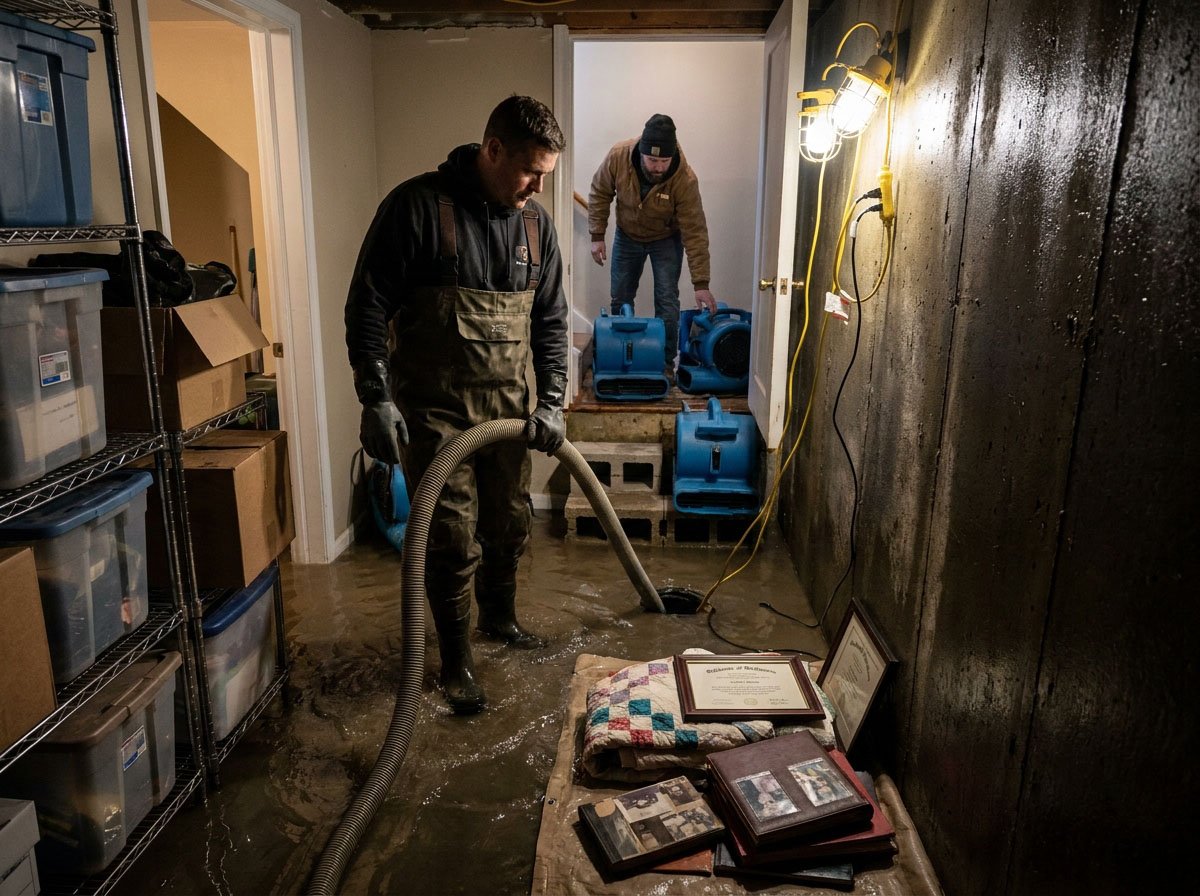
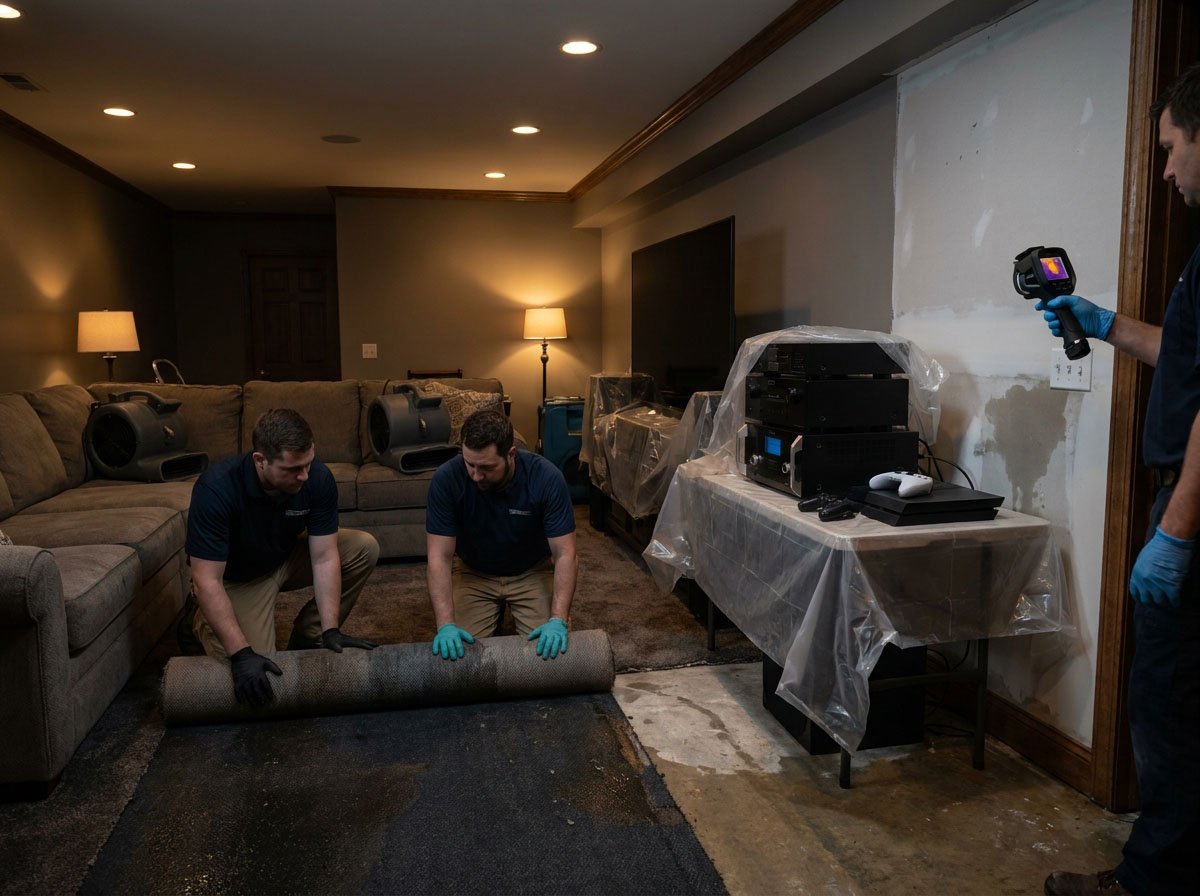
The contractor establishes the water source first. Groundwater arriving through a slab, a failed appliance and septic backup are three different protocols, and the first is far more common here than most homeowners assume.
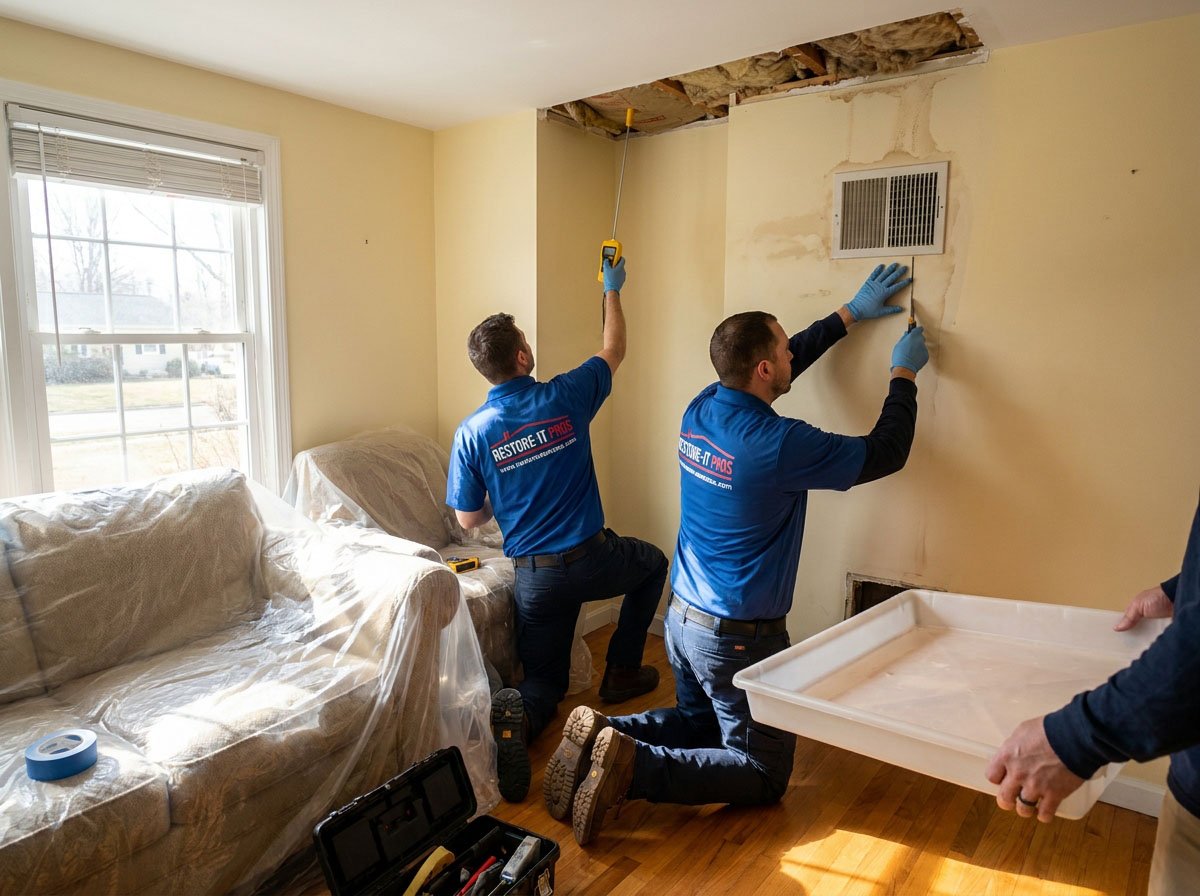
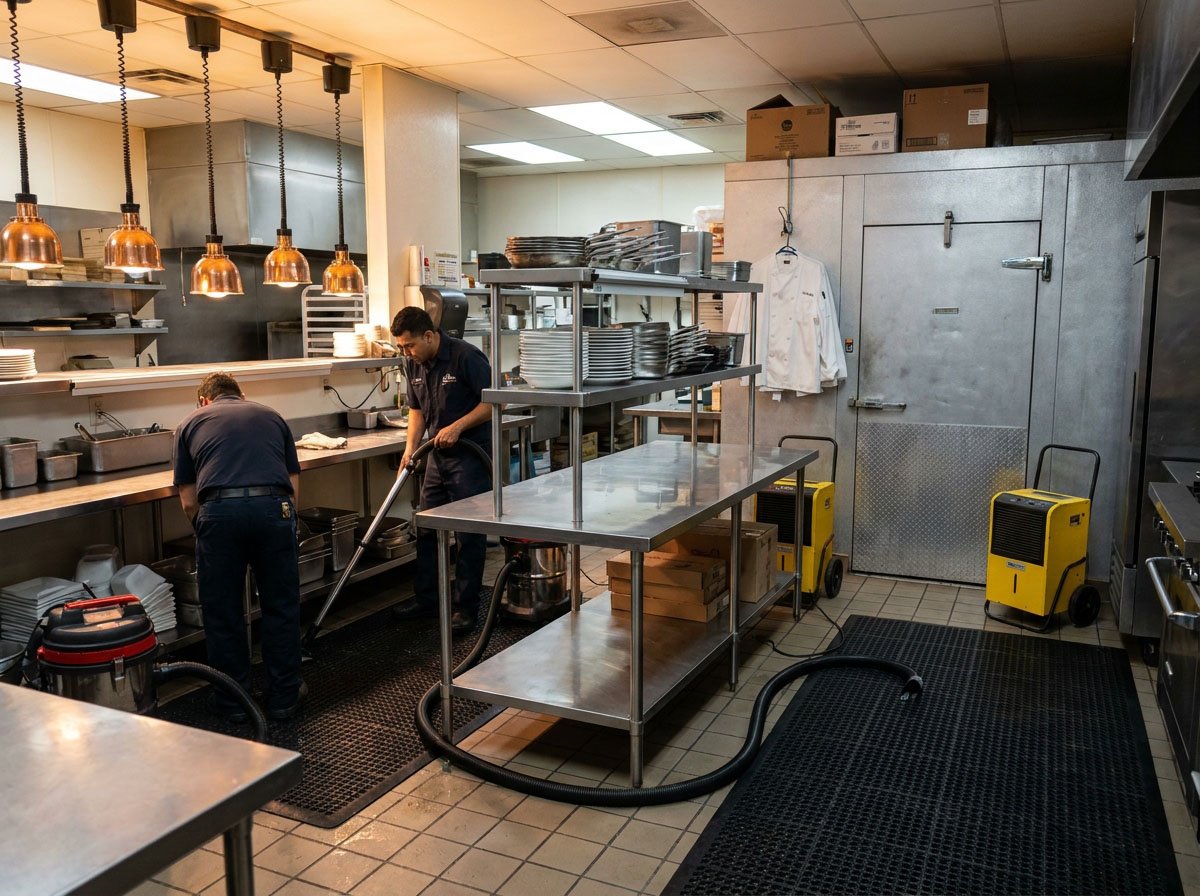
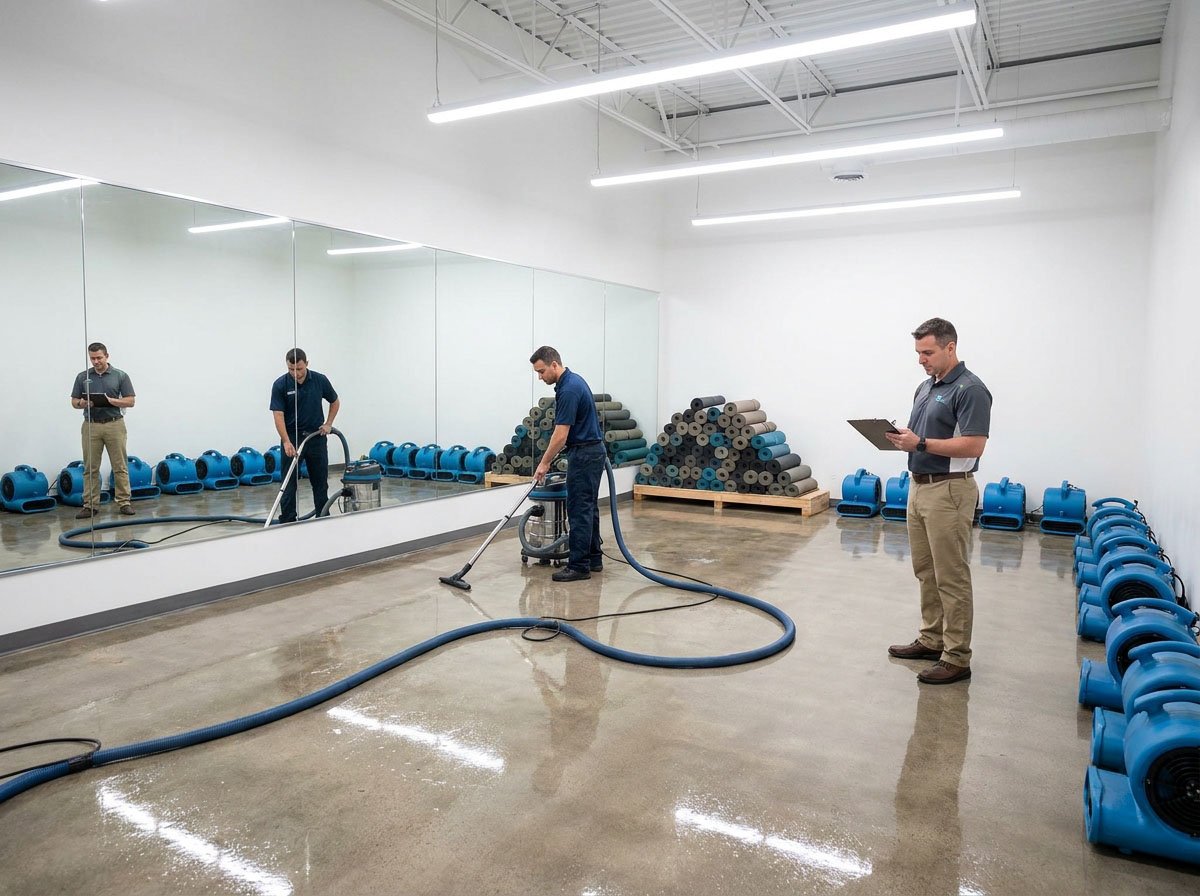
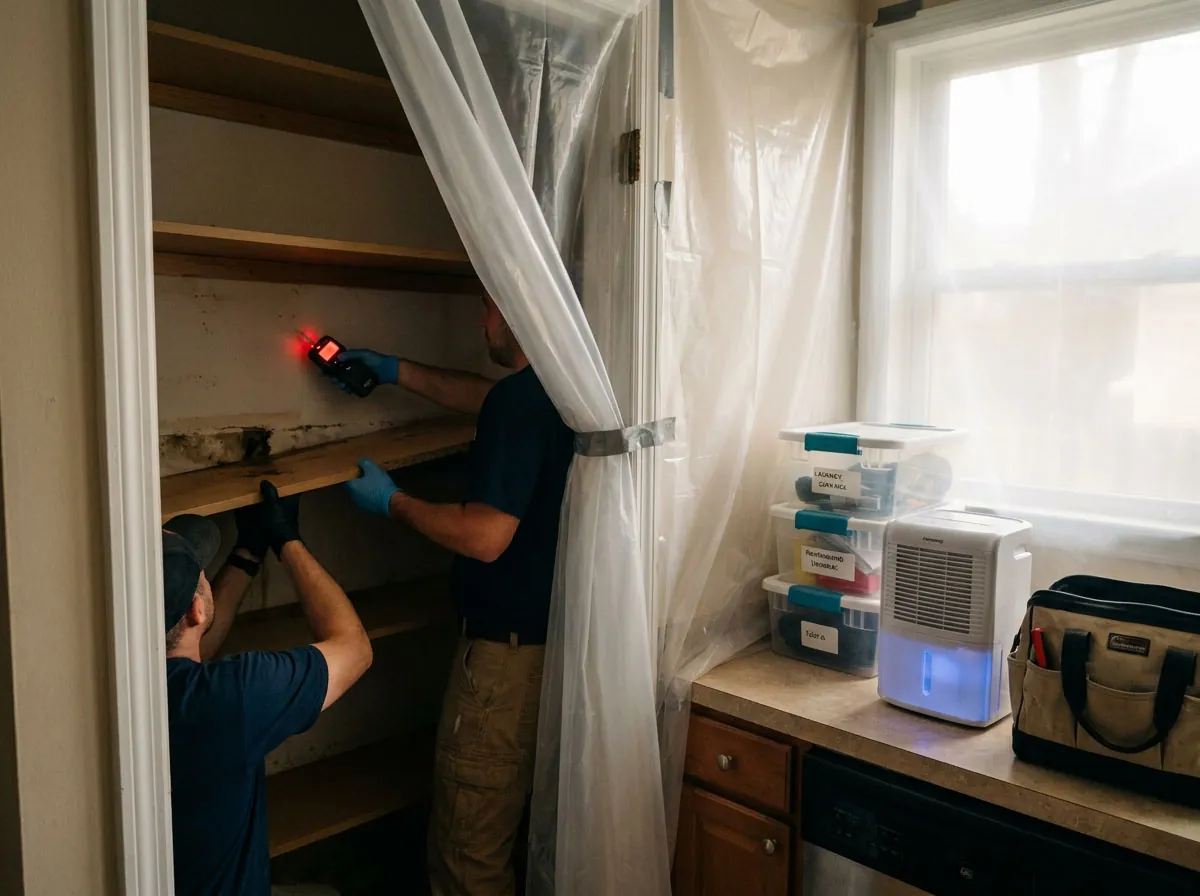
Moisture mapping covers the full perimeter rather than just the visible wet area, because karst driven entry frequently shows at more than one point. Extraction, containment and structural drying follow, with daily readings logged against a dry standard from an unaffected part of the building.
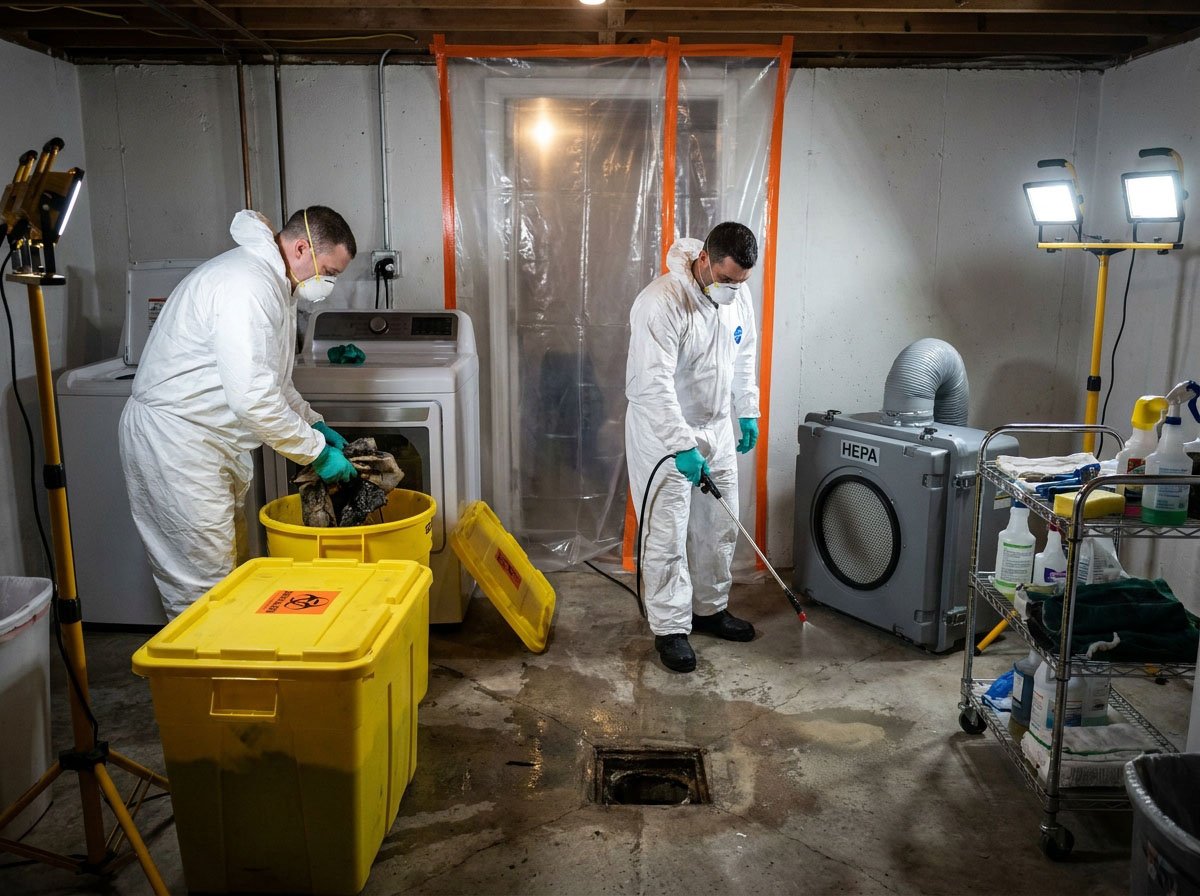
Where septic or sewage contamination is involved, affected porous material is removed rather than dried and the space is cleaned and treated first. See sewage backup cleanup.
Call (507) 698-9249 for Lewiston, Utica and the surrounding townships.