Upstream In The Valley
Rollingstone sits up the valley from Minnesota City, on the creek that shares its name. Being upstream changes the character of a water loss here. There is less warning than downstream, because there is less distance between where the rain lands on the ridge and where it reaches your yard.
Ridge Ground Versus Valley Floor
Two completely different properties can sit half a mile apart in this valley. A house on the ridge is dealing with groundwater, karst drainage and roof runoff. A house on the valley floor is dealing with a creek that can rise faster than anyone can move a vehicle.
When you call, the first thing worth telling us is which one you are on. It changes the equipment and the protocol before anyone leaves the shop.
Why Farm Buildings Go First
On working properties around Rollingstone the residence is usually on the highest ground available, because whoever sited it a century ago understood the valley. The machine shed, the milk house and the shop are where convenience won over elevation.
Those buildings take water first and get attention last. That is backwards from a cost standpoint. Water sitting in a shop for a week does more damage per square foot than a fast response in a finished basement, and equipment and stored inputs are frequently worth more than the structure.
What A Rural Water Loss Actually Involves
Most Rollingstone properties are outside municipal water and sewer. That means a well and a septic system, and both change the job.
- Standing water is suspect until the source is confirmed, because karst geology moves surface contamination into groundwater quickly here.
- A submerged wellhead means the well needs testing and probably disinfection before anyone drinks from it.
- A saturated septic field stops accepting flow, so running water inside the house makes the basement worse rather than better.
- Outbuildings need metering too. Water rarely restricts itself to the residence on a farm property.
- Access matters. Long drives, gates and turning space for a truck all affect how fast equipment gets set.
Response And Drying Out Here
Rural response takes longer than town response and we will quote you an honest window. While you wait, shut the water off at the main if the source is internal, cut power to affected circuits at the panel, and photograph everything before you move it.
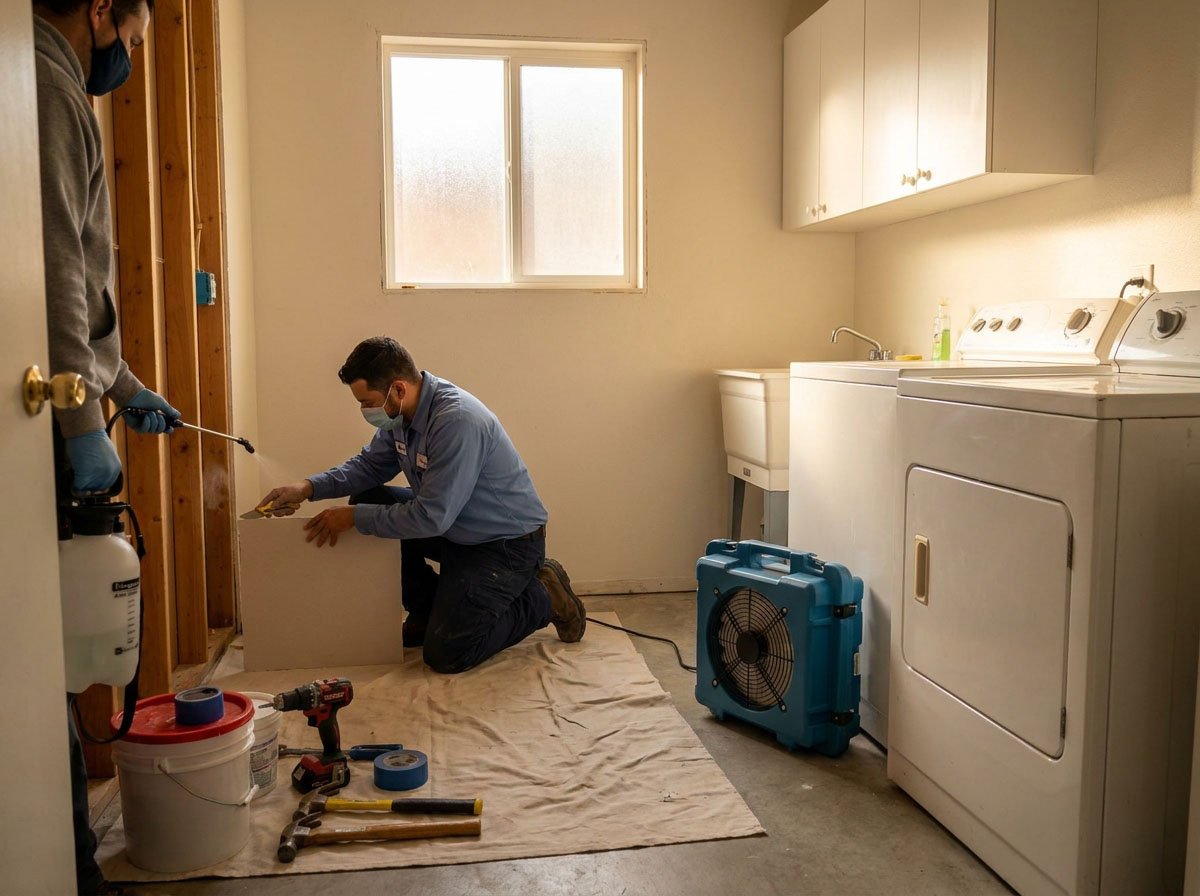
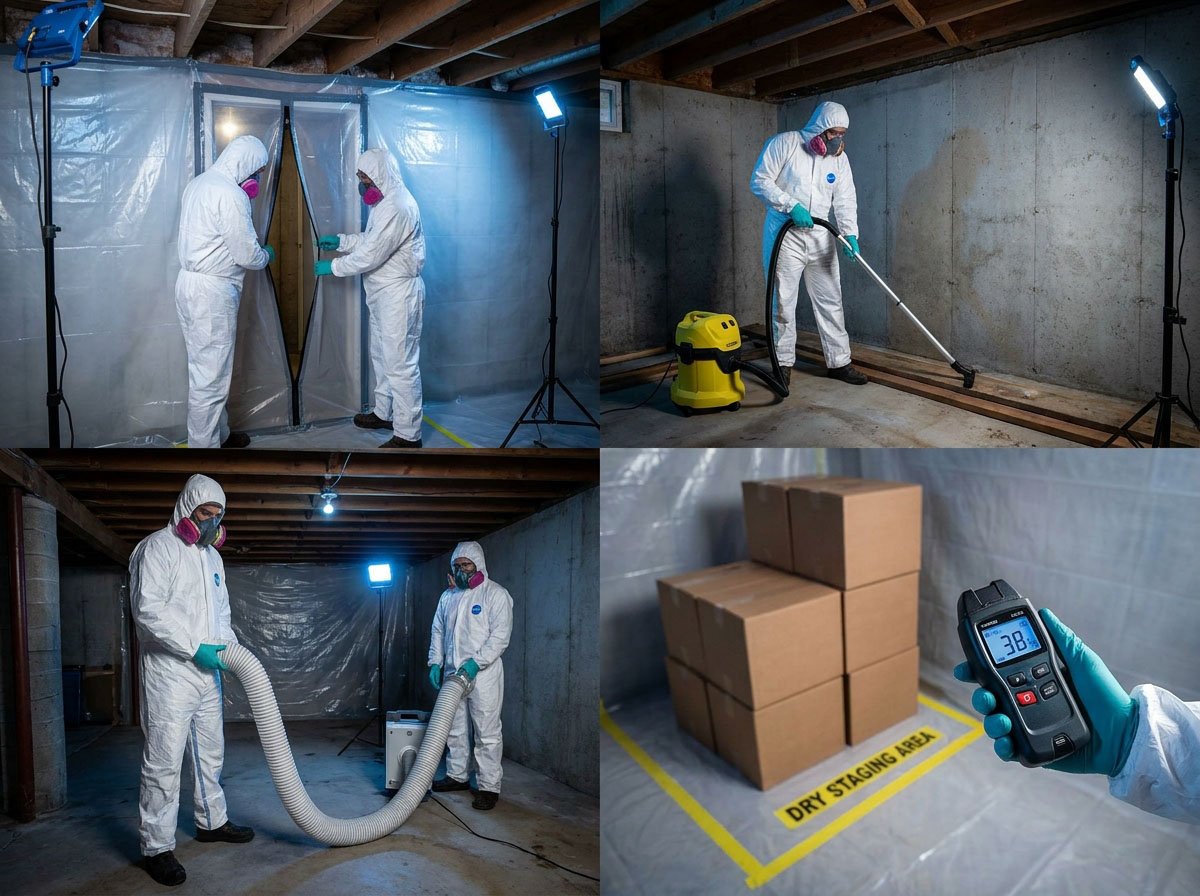
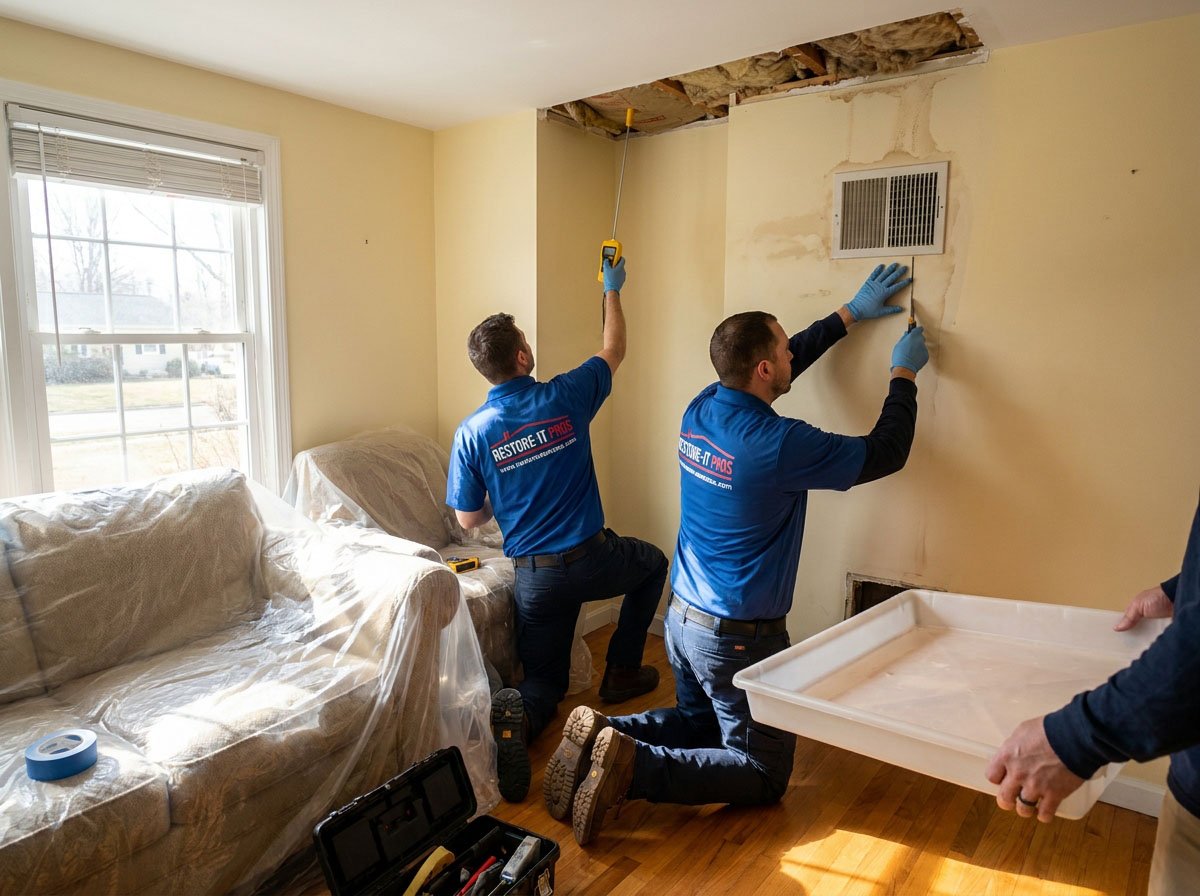
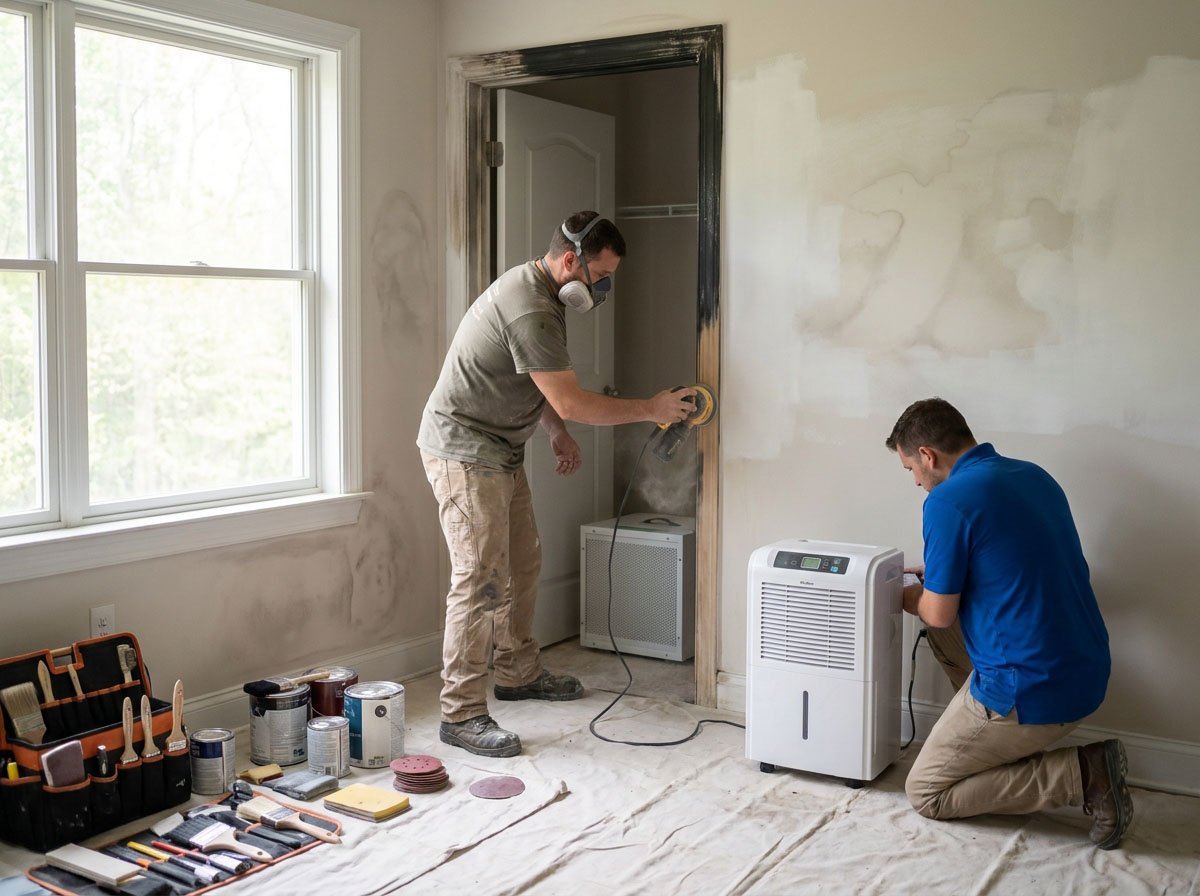
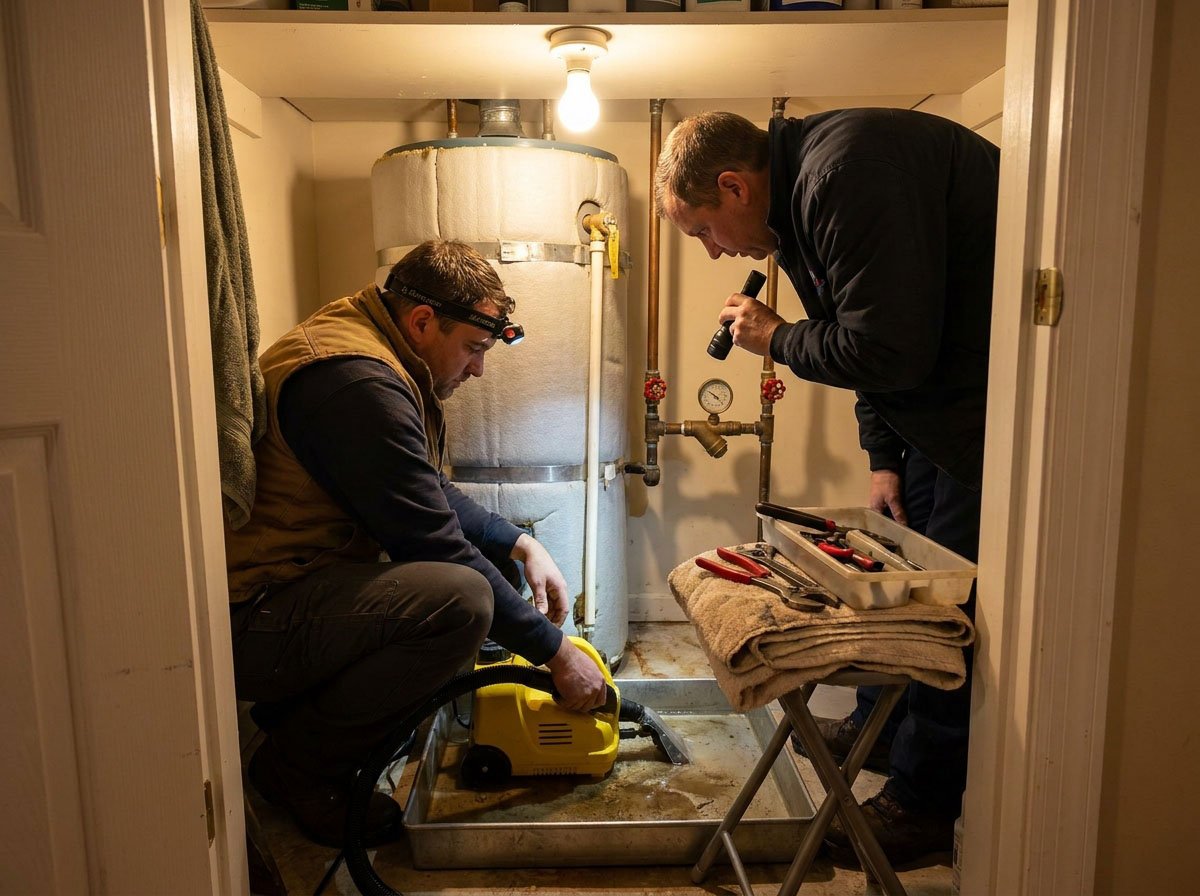
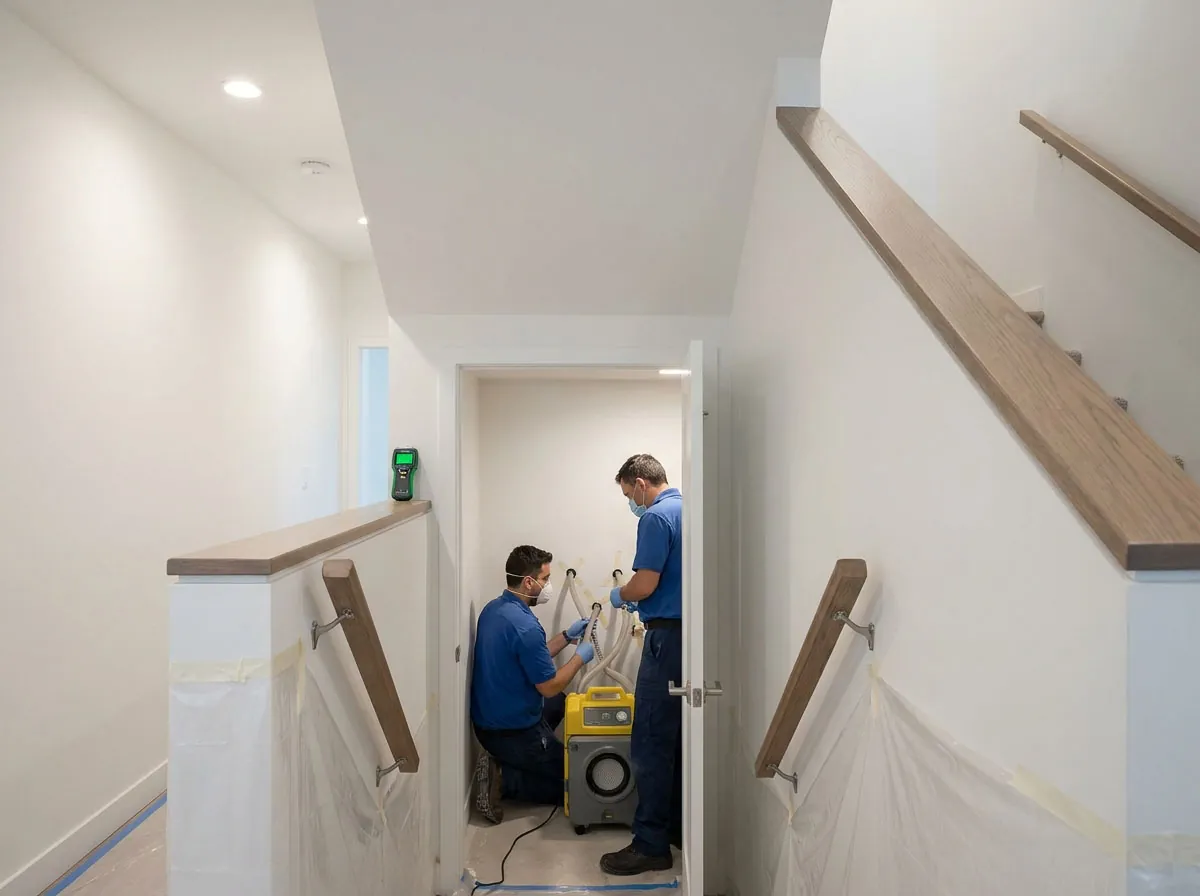
On arrival the contractor establishes the water category first, which matters more on a well and septic property than it does in town. Moisture mapping follows across every affected building, then extraction, containment and structural drying, with daily readings logged against a dry standard.
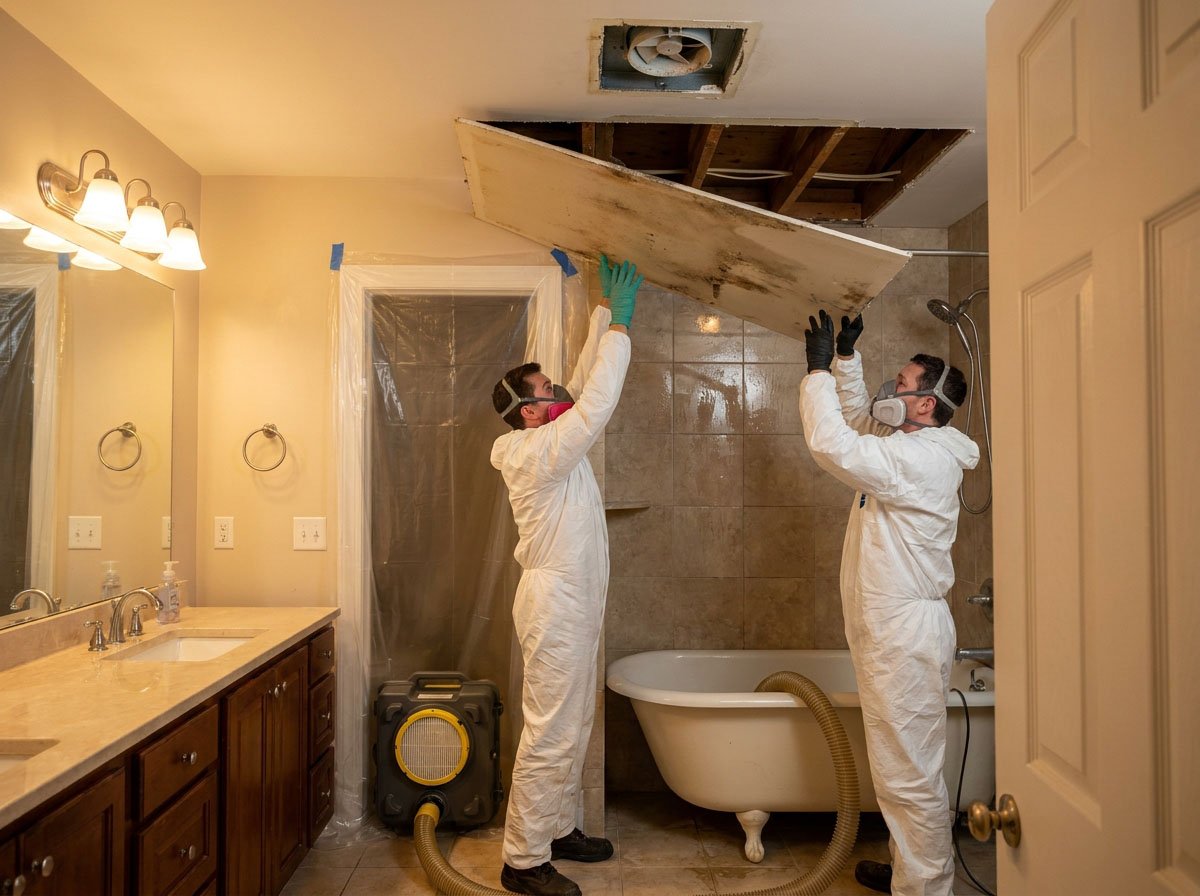
Where creek water was involved, affected porous material is removed rather than dried, and the space is cleaned and treated. See sewage backup cleanup for the contaminated water protocol.
Call (507) 698-9249 for Rollingstone and the valley properties.