A Valley Mouth Community
Minnesota City sits at the point where the bluff valleys northwest of Winona open onto the Mississippi river plain. Geographically that is a funnel. Water that falls on the uplands and drains through the creek valleys has to pass through here on its way to the river.
In normal weather that is unremarkable. In a serious rainfall event it is the defining fact about the place.
August 2007 And What It Demonstrated
During the 18 to 20 August 2007 storm, Winona County authorities evacuated residents from Stockton, Elba and the campgrounds near Whitewater State Park, and evacuated areas of St. Charles, Goodview and Minnesota City as rainwater rushed out of the bluffs and turned creeks into torrents. Railroad track through Minnesota City was damaged by the water.
The mechanism is worth understanding because it repeats at smaller scale in ordinary storms. Rain landing on the uplands has almost nowhere to soak in when the ground is already saturated. It sheets off, concentrates in the valleys, and arrives at the valley mouth as a wall rather than a rise. Communities at the mouth get very little warning.
What This Means For Your Property
Two separate risks, and they need different responses.
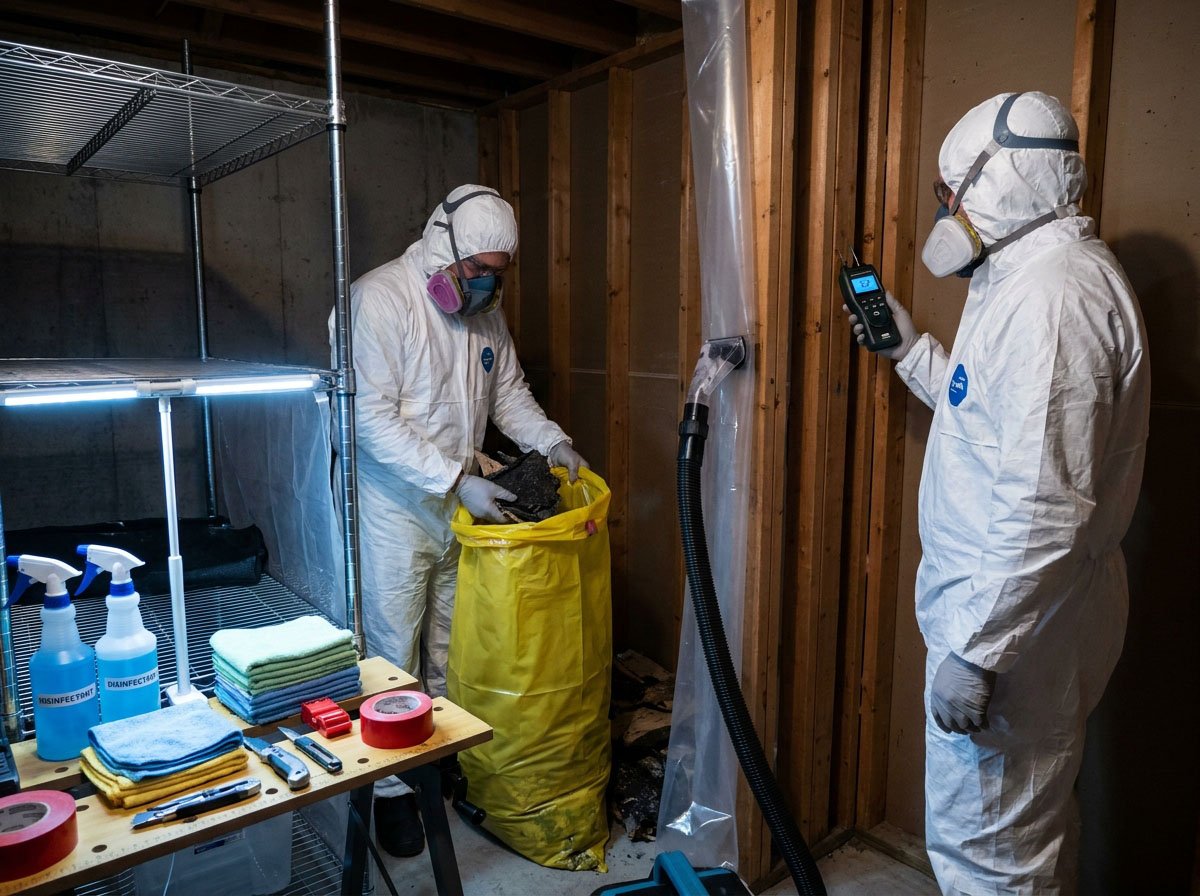
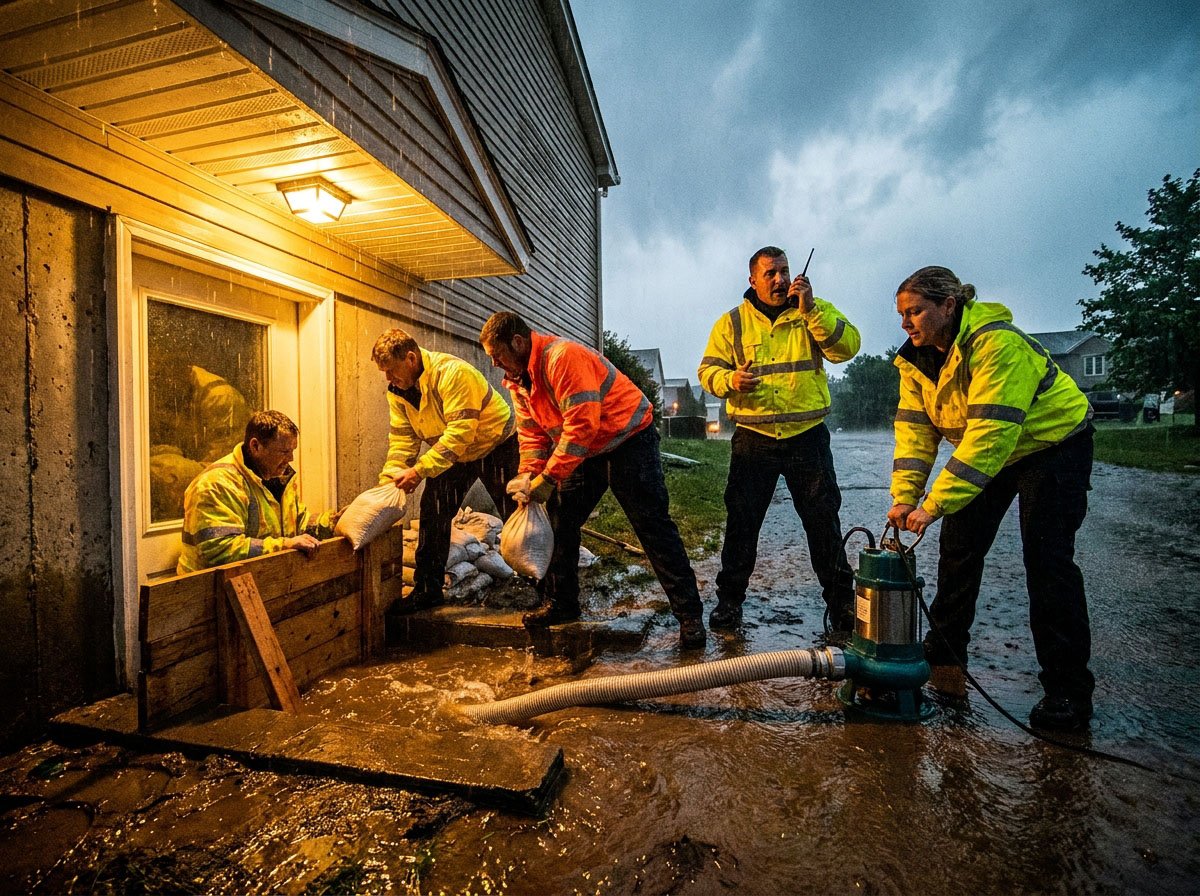
- Fast creek and valley flooding during heavy rain, arriving with silt and debris. Contaminated water, material comes out.
- High groundwater on the river plain during spring melt, arriving slowly through the slab and cove joint. Clean water, usually dried in place.
- Sump systems that handle normal conditions and are irrelevant against creek flooding.
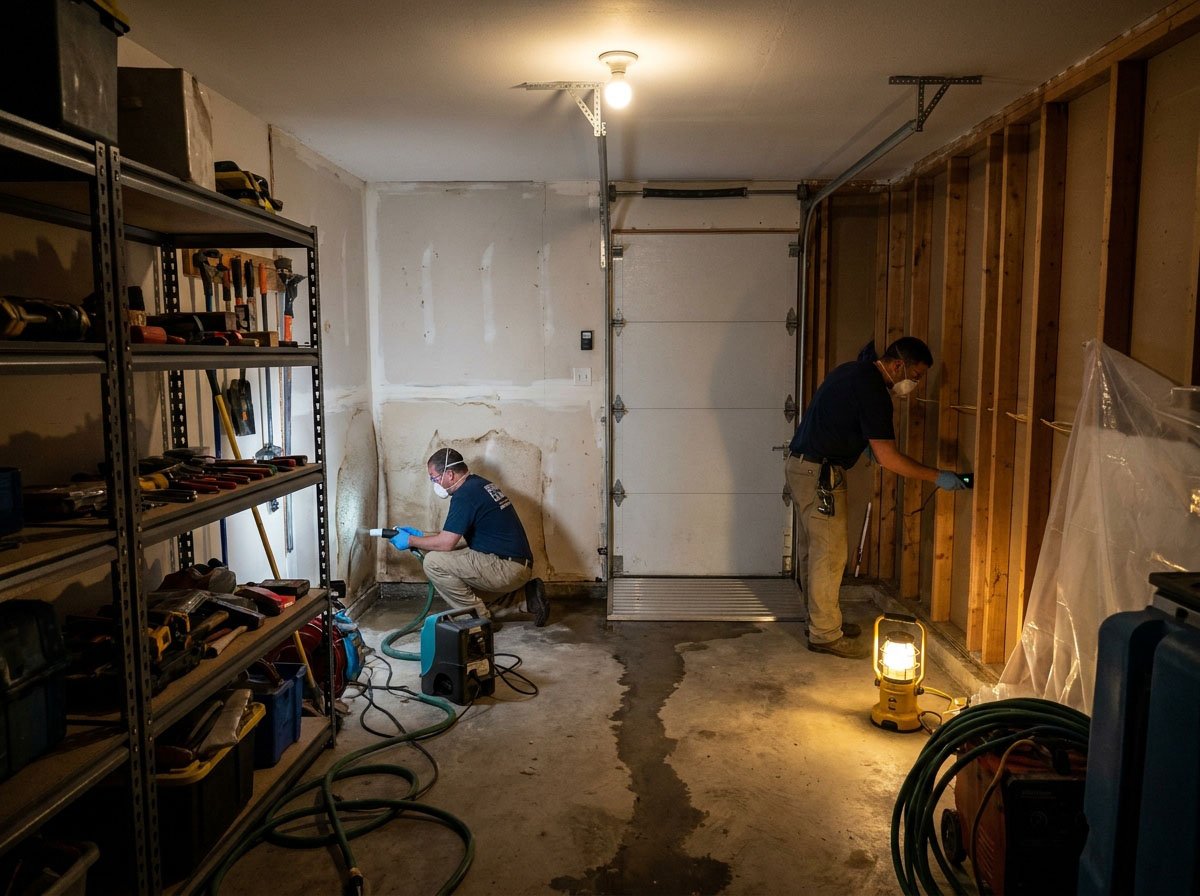
- Outbuildings and detached garages on lower ground, often flooded when the house is not.
- Well contamination on properties outside municipal service, whenever surface water reaches the wellhead.
How We Work Here
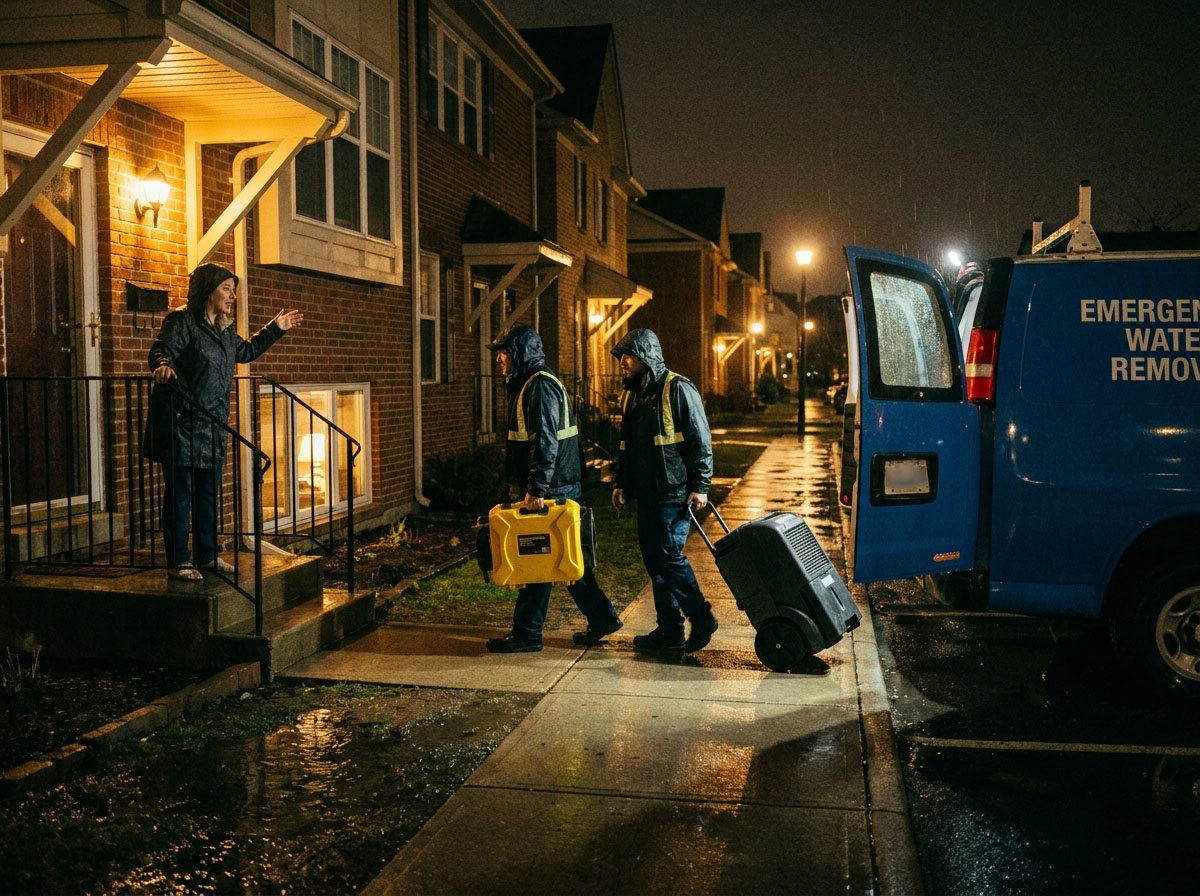
The first question on any Minnesota City call is where the water came from, because the answer decides whether this is a drying job or a removal job. Creek water and clean groundwater look similar on a basement floor and are handled completely differently.
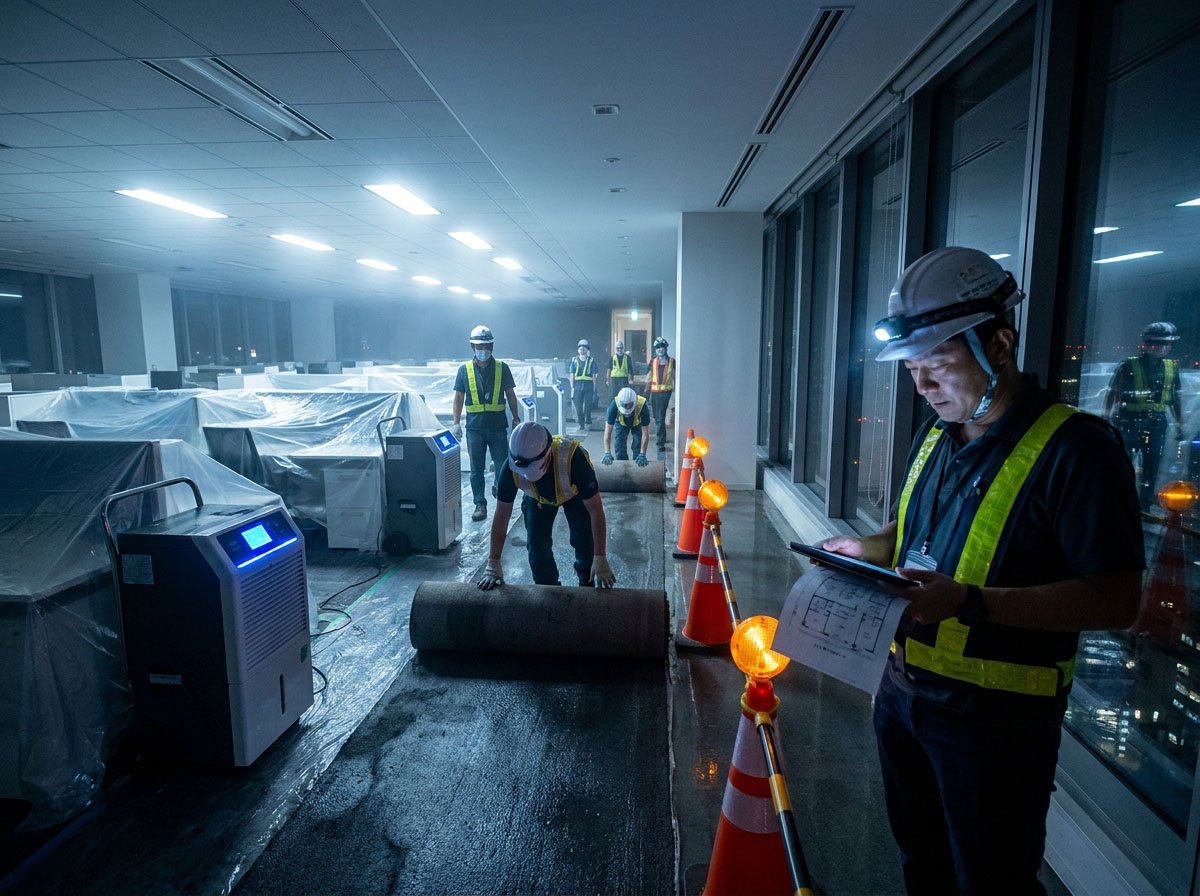
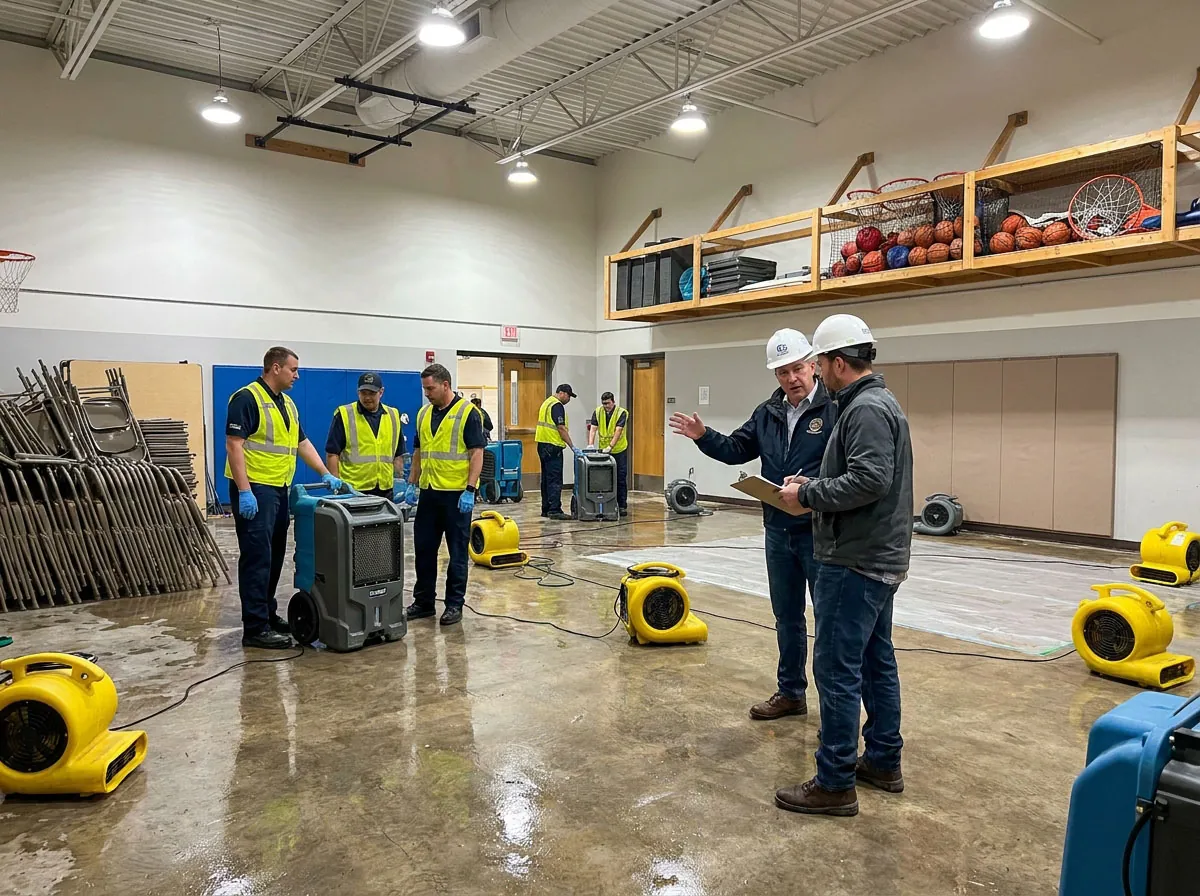
For contaminated flooding, affected porous material is removed, the space is cleaned and treated, and only then does structural drying start. For groundwater seepage the contractor maps the wet area, extracts, and dries in place with equipment sized to the room, logging daily readings against a dry standard.
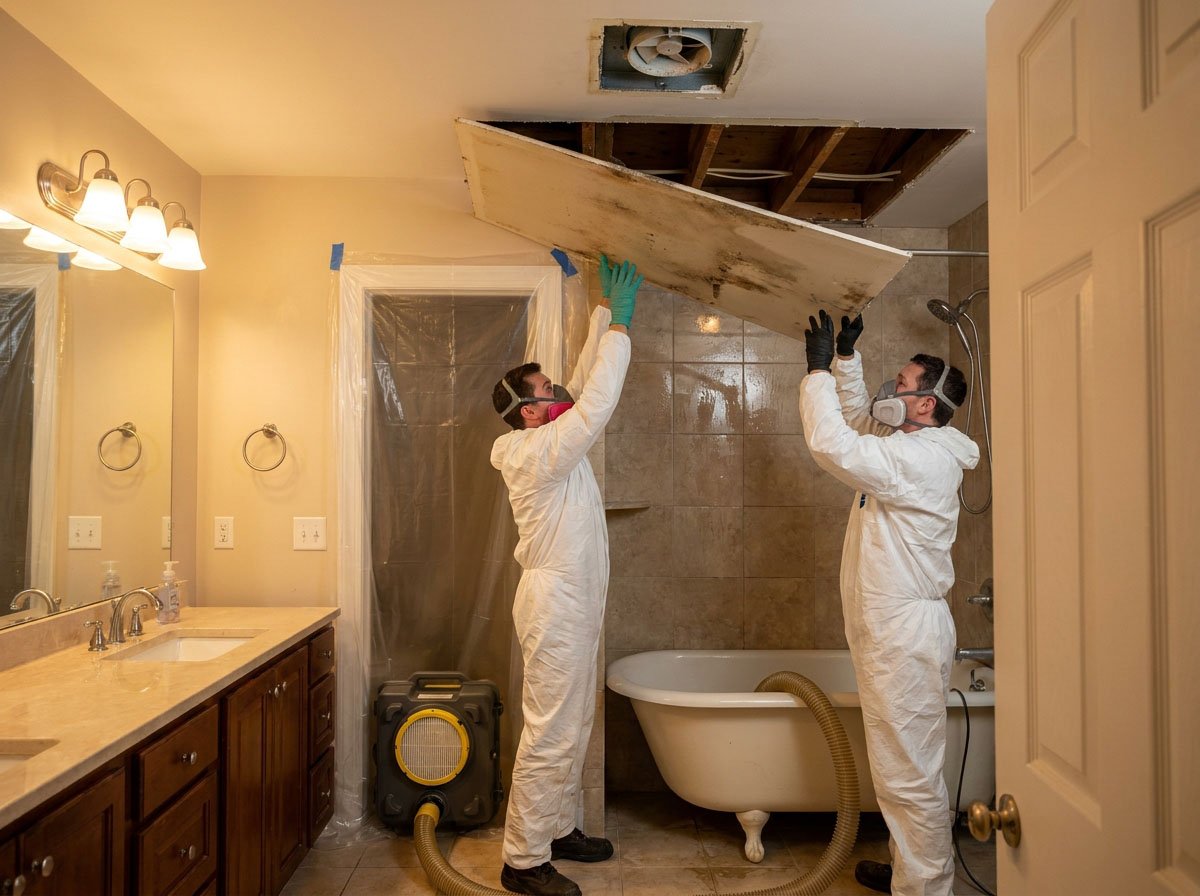
If a property has been wet for more than a couple of days before anyone reached it, mold is already growing and the job begins with mold remediation rather than drying.
Call (507) 698-9249. Tell us whether the water came from the creek, the ground or a pipe.