Serving Sugar Loaf Neighborhood

Water Damage Restoration Near Sugar Loaf, Winona MN

Properties at the foot of Sugar Loaf catch everything that falls on 500 feet of exposed dolomite above them.

What Sits Above These Houses
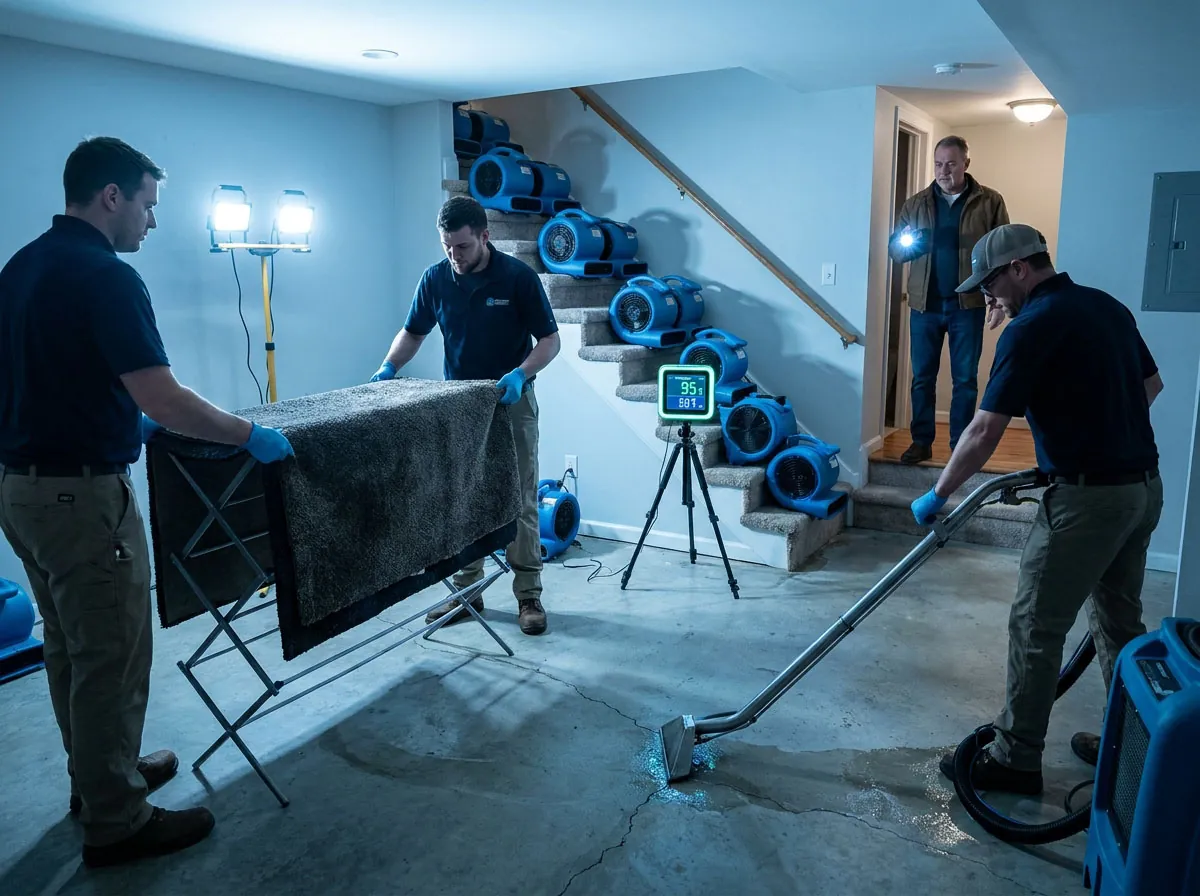
Water damage restoration at a bluff toe property near Sugar Loaf, Winona

Sugar Loaf reaches 1,214 feet and stands roughly 500 feet above Lake Winona, with the rock pinnacle rising another 85 feet above the rest of the bluff. The exposed face is Oneota dolomite, and it looks the way it does because Irish quarryman John O'Dea started cutting it for builder's lime in 1878 and the work ran until around 1887.

Quarrying left a plateau and a bare rock face where there used to be a rounded dome. That matters to the houses below, because rock does not absorb rainfall. Everything that lands on it runs off.

Bluff Toe Properties Get Water From Above, Not Below

Most Winona water problems are about the water table. At the foot of Sugar Loaf the problem inverts. Rain and snowmelt shed off the dolomite face, run down the talus slope, and arrive at the back of the property as sheet flow and concentrated channels.

The practical results we see repeatedly on bluff toe lots:

  • Uphill side foundation walls taking sustained lateral water pressure during heavy rain.
  • Window wells filling faster than they drain, then overtopping into the basement.
  • Downspouts and grading that work fine in normal rain and give up in a real storm.
  • Seepage through the uphill wall weeks after rain, as water works through fractured rock and soil.
  • Debris blocking drainage after the slope sheds rock and leaf litter downhill.

The Fractured Rock Problem

Oneota dolomite is carbonate rock, and in this part of Minnesota it is fractured and dissolved by groundwater. That is why the county has caves, springs and sinkholes. Water entering the bluff at the top does not necessarily come out at the bottom in the same place, and it does not arrive on a schedule you can predict from the weather.

Homeowners here describe seepage that starts two days after a storm and continues for a week. That is normal for a bluff toe property, and it means drying a basement while water is still arriving is wasted effort until the source side is managed.

Historic Buildings And Bluff Caves

The old Sugar Loaf Brewery, built by Peter Bub in 1872 at the foot of the bluff, included storage caves cut into the rock. Structures of that era around the bluff base carry stone foundations, cut basements and in some cases openings back into the hillside.

Drying those spaces is not a standard residential job. Stone holds moisture, cut basements have no vapor barrier, and airflow into a cave space behaves nothing like airflow in a rectangular room. If your building has any of that, say so on the phone so the right equipment is dispatched.

How We Approach A Sugar Loaf Job

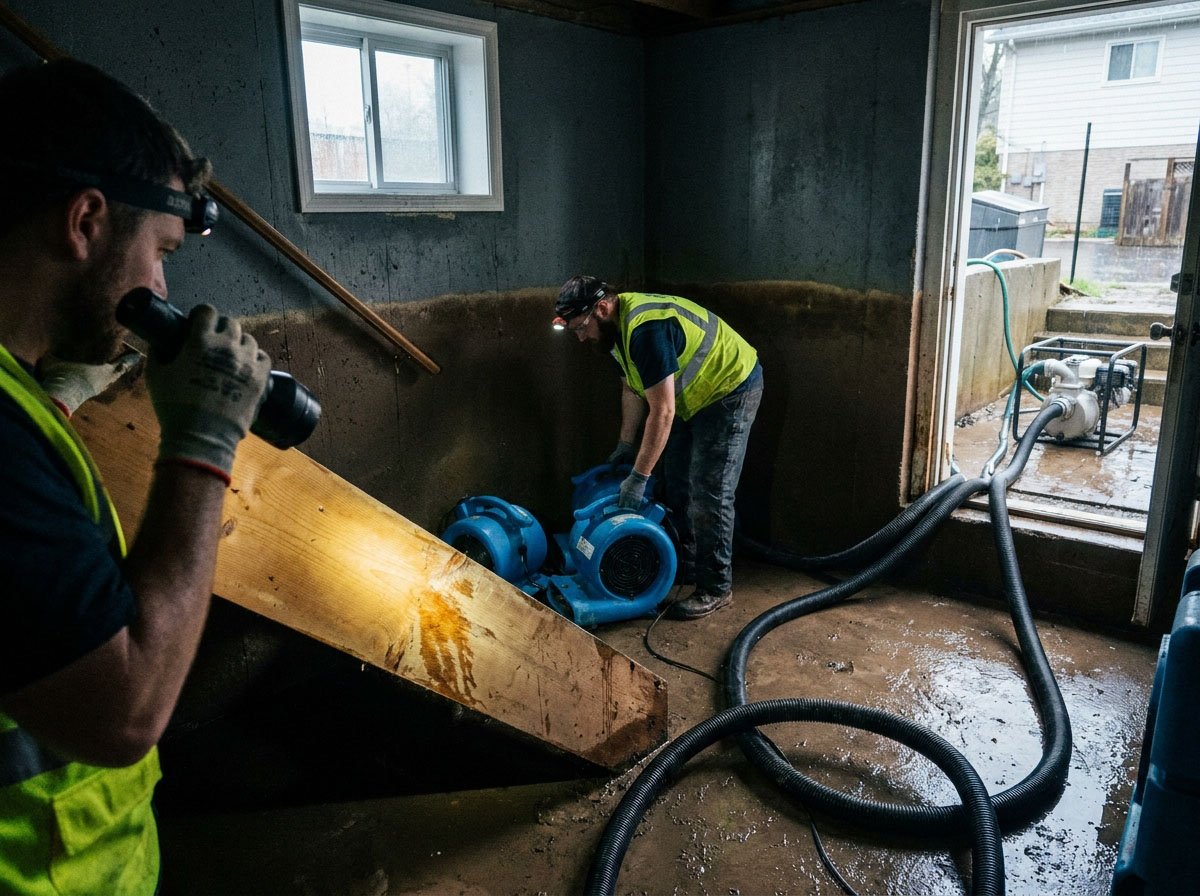
First question is whether the water has stopped arriving. If seepage is ongoing, the contractor stabilises and extracts, then dries once the inflow has actually ended rather than fighting it.

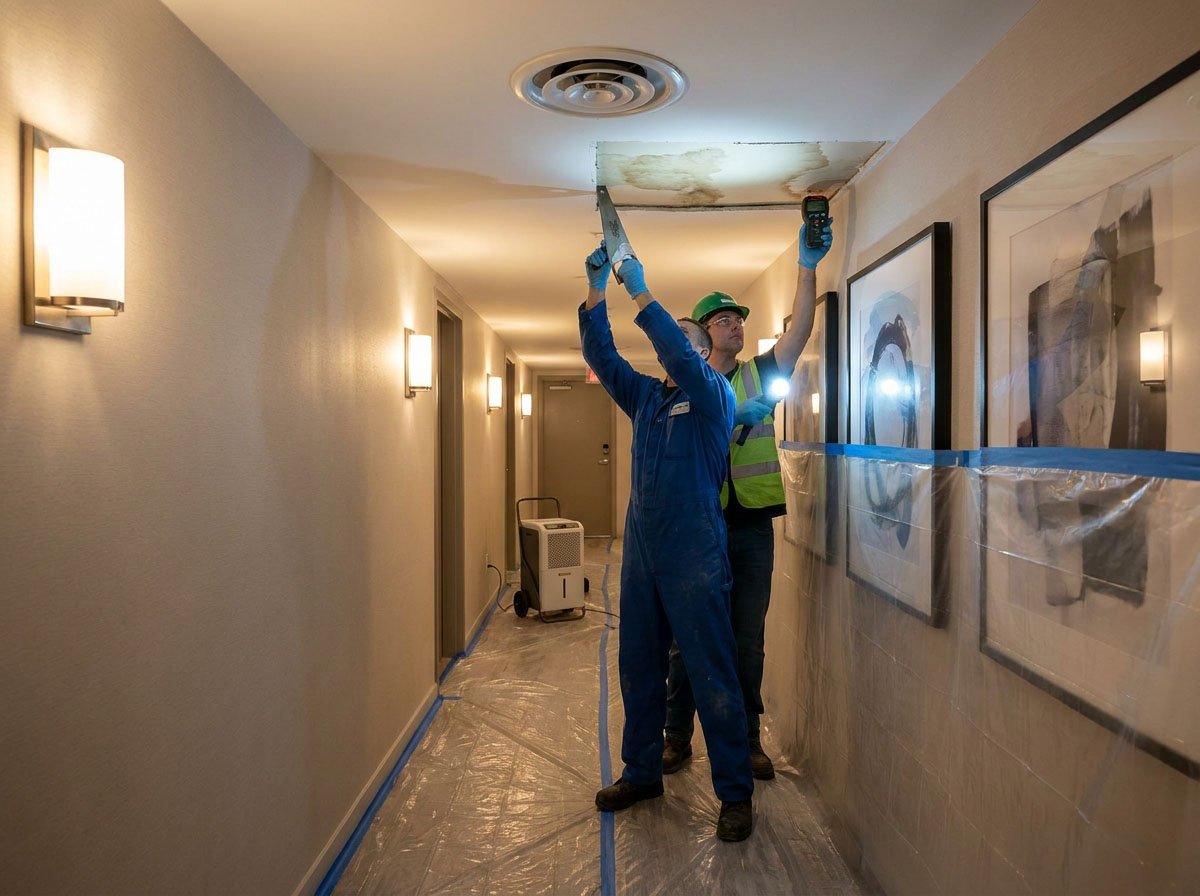
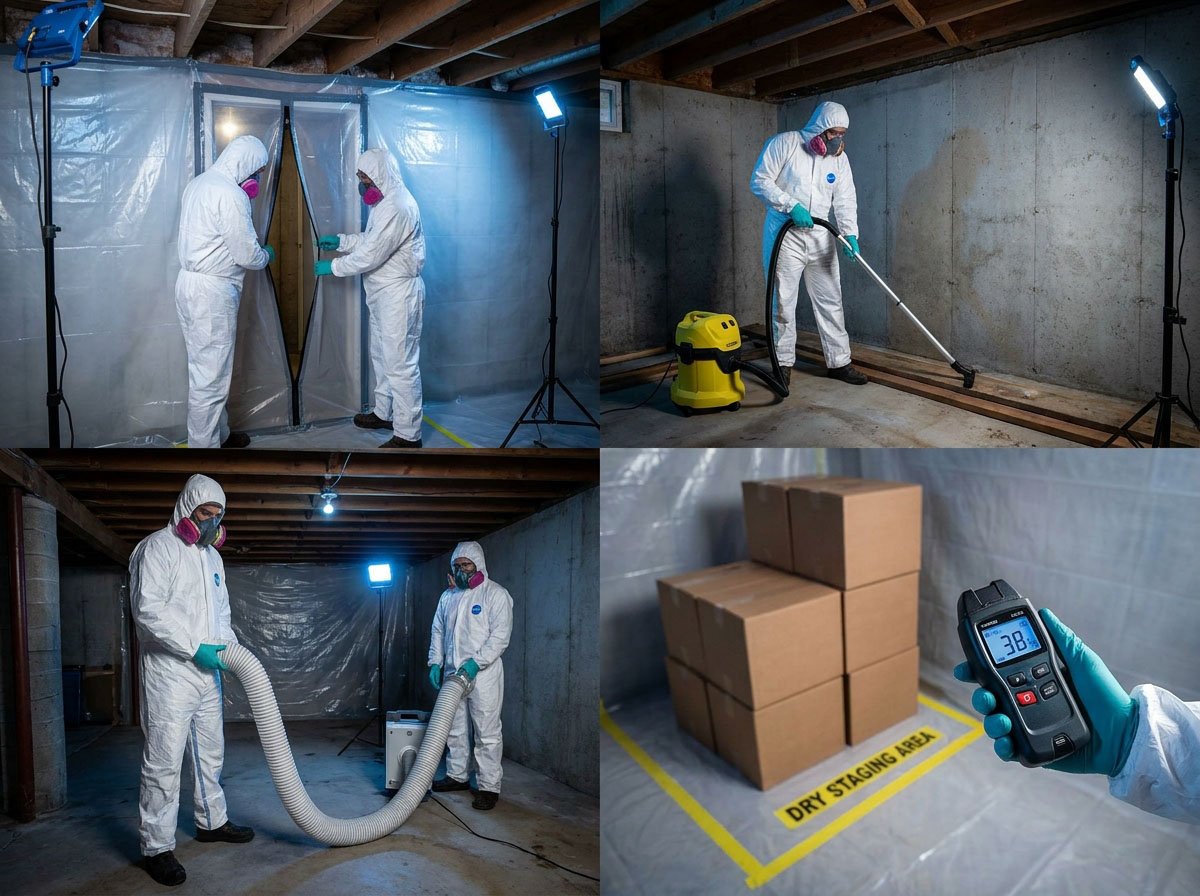
Moisture mapping covers the uphill walls in full, since lateral entry wets the wall bottom across a wide run rather than at one point. Extraction, containment and structural drying follow, with daily readings logged against a dry standard until the structure matches.

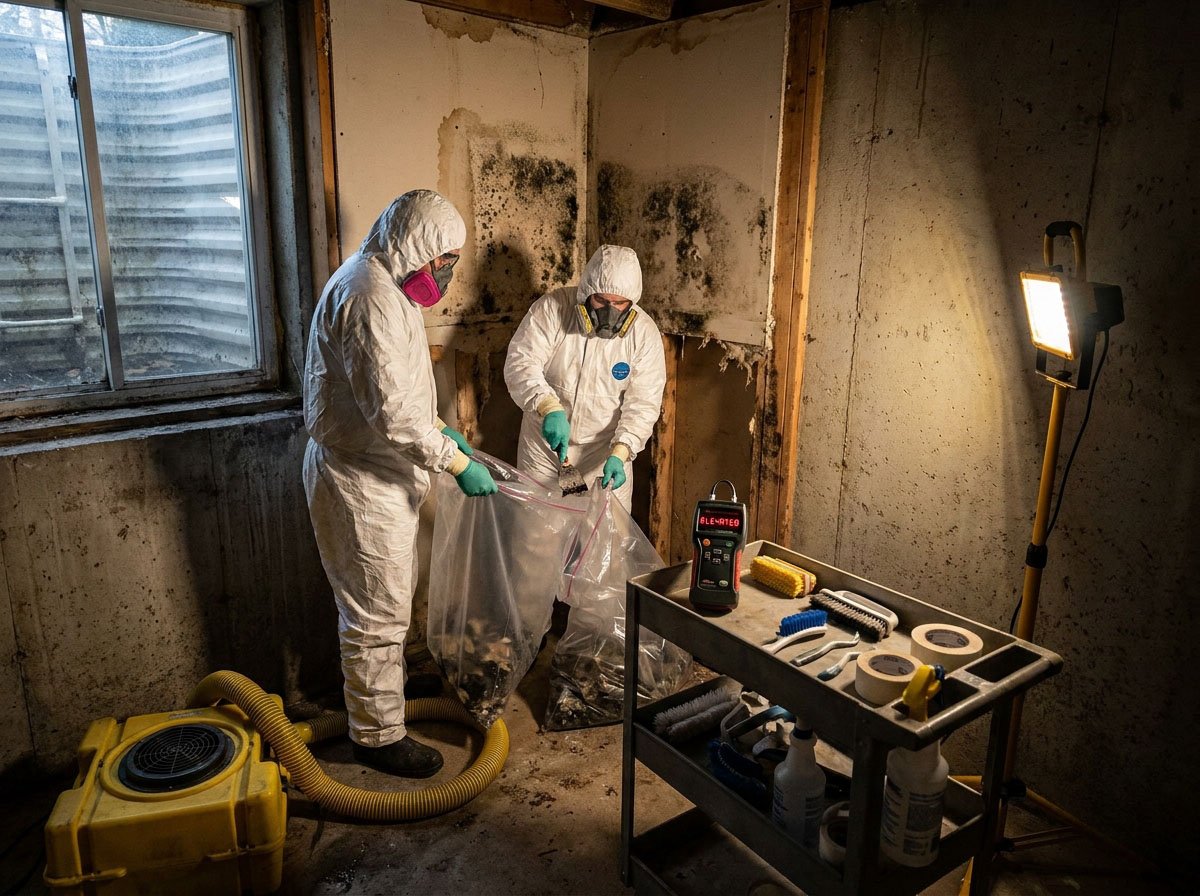
For sustained seepage that has been wet for weeks, mold is usually already present and the work starts with mold remediation.

Call (507) 698-9249 and tell us which side of the house the water is coming in.
Why Choose Winona County Water Damage Restoration Business in Sugar Loaf Neighborhood

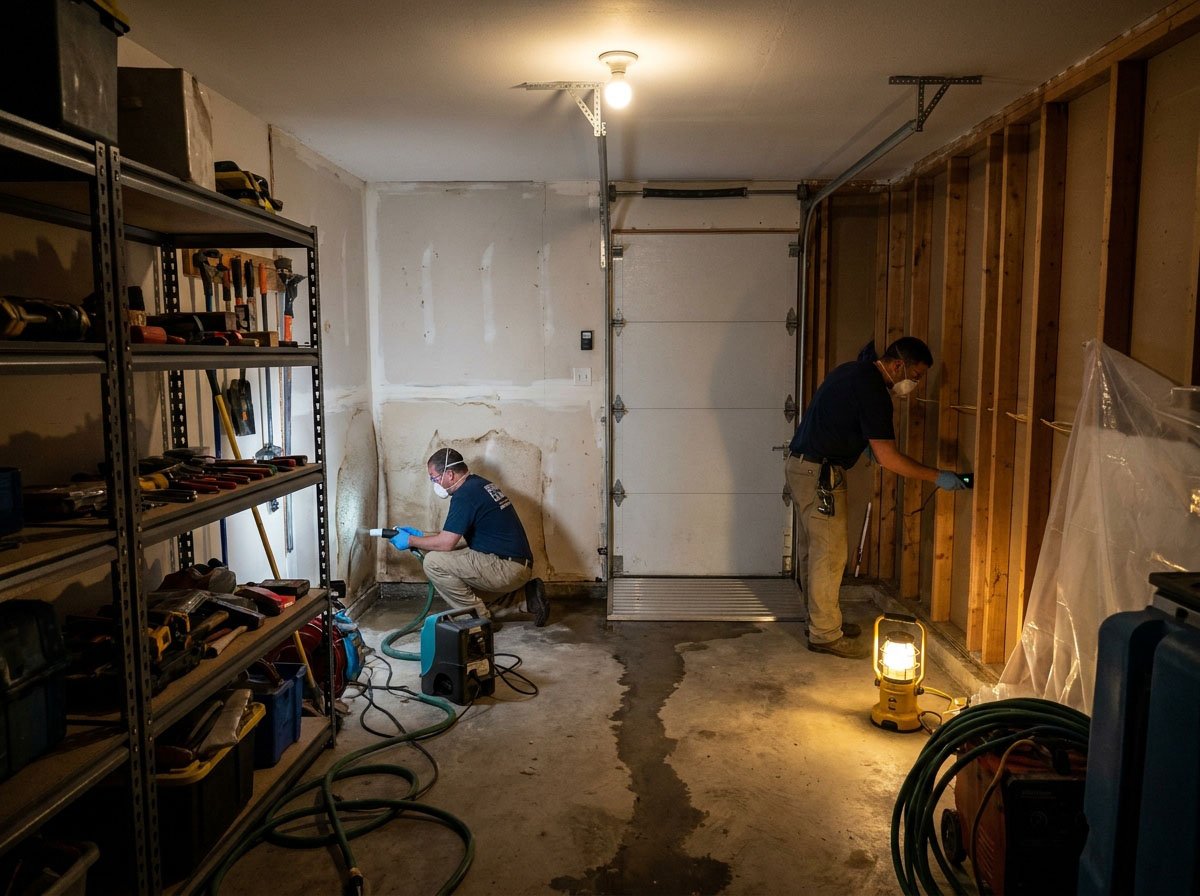
When water damage strikes your home near the iconic Sugar Loaf bluff or along the winding paths of Garvin Heights, you need a restoration team that knows these streets inside and out. Being based right here in Winona County allows us to provide rapid, reliable responses that larger, distant companies simply cannot match. We understand the unique challenges our local surroundings presents, from seasonal runoff to aging infrastructure. Choosing us means working with neighbors who value your property as much as you do, ensuring your home is restored with precision and genuine local care.

πŸ•’

Rapid Local Dispatch

Our proximity to central Winona allows us to reach your property quickly, minimizing water exposure and preventing secondary damage to your home’s structure and your personal belongings.

πŸ› οΈ

Familiar Terrain Expertise

We navigate the specific geography of the Sugar Loaf area and nearby bluffs with ease, ensuring we arrive fully prepared to handle unique local residential moisture concerns without wasted time.

πŸ“ž

Direct Neighbor Communication

You speak directly with local professionals who understand our community standards, providing transparent updates and clear explanations throughout every stage of the professional drying and restoration process.

βœ…

Dependable Property Restoration

We prioritize restoring your residence using established industry methods, focusing on consistent quality and thorough attention to detail to return your home to its pre-loss condition safely.

FAQs

Water Damage Restoration FAQs for Sugar Loaf Neighborhood

Check The Most Frequently Asked Questions About Water Damage Restoration in Sugar Loaf Neighborhood

Why does my basement seep days after the rain stops near Sugar Loaf?
Because the water is moving through rock, not soil. Sugar Loaf is exposed Oneota dolomite, a carbonate rock that is fractured and partly dissolved, which is why this county has caves and springs. Rain entering the bluff travels through those fractures and emerges at the toe on a delay. Seepage starting two days after a storm and running for a week is normal here. Drying while water is still arriving does not work.
Sugar Loaf is solid rock. Why does that make flooding worse below it?
Rock absorbs almost nothing. Soil takes rainfall in and releases it slowly, but a bare dolomite face sheds essentially all of it. The quarrying that ran from 1878 to around 1887 left that face exposed, so properties at the toe receive concentrated runoff from roughly 500 feet of vertical rock above them. Grading and downspouts sized for ordinary rain give up quickly.
My window wells fill up during heavy rain. What can be done?
On bluff toe lots window wells are usually the first entry point, because they collect sheet flow coming off the slope faster than the gravel base can drain it. Clearing debris and adding well covers helps. If the well drain is connected to a tile line that has silted up, that needs clearing too. When a well overtops, the water goes straight through the window frame into a finished basement, so treat it as urgent rather than cosmetic.
I have an old stone basement or a cut cave space. Can it be dried?
It can, but it is not a standard job and it takes longer. Stone and cut rock hold moisture in the material itself, and cave spaces cut into the bluff have no vapor barrier and unusual airflow. Buildings around the bluff base date back to the 1870s, including the old brewery complex with its storage caves. Mention the construction type when you call so dehumidification is sized correctly from the start.
What does water damage restoration cost near Sugar Loaf?
A contained single room loss generally runs $1,200 to $3,500. Multi room damage with material removal and structural drying is typically $3,500 to $8,000. Long running seepage where mold is already established, or work in a stone or cut basement, can reach $8,000 to $20,000 or more. Those are Winona County ranges. Bluff toe properties often need drainage work on the source side too, which is separate from restoration.

Have more questions? We're here to help.

πŸ“ž (507) 698-9249

Find Us Near Sugar Loaf Neighborhood

Local Water Damage Restoration services in Sugar Loaf Neighborhood and surrounding areas

Contact Winona County Water Damage Restoration

πŸ“ž
πŸ“
Sugar Loaf Neighborhood - Winona County, MinnesotaServing local and nearby neighborhoods
⏰
Emergency Service
Call Us