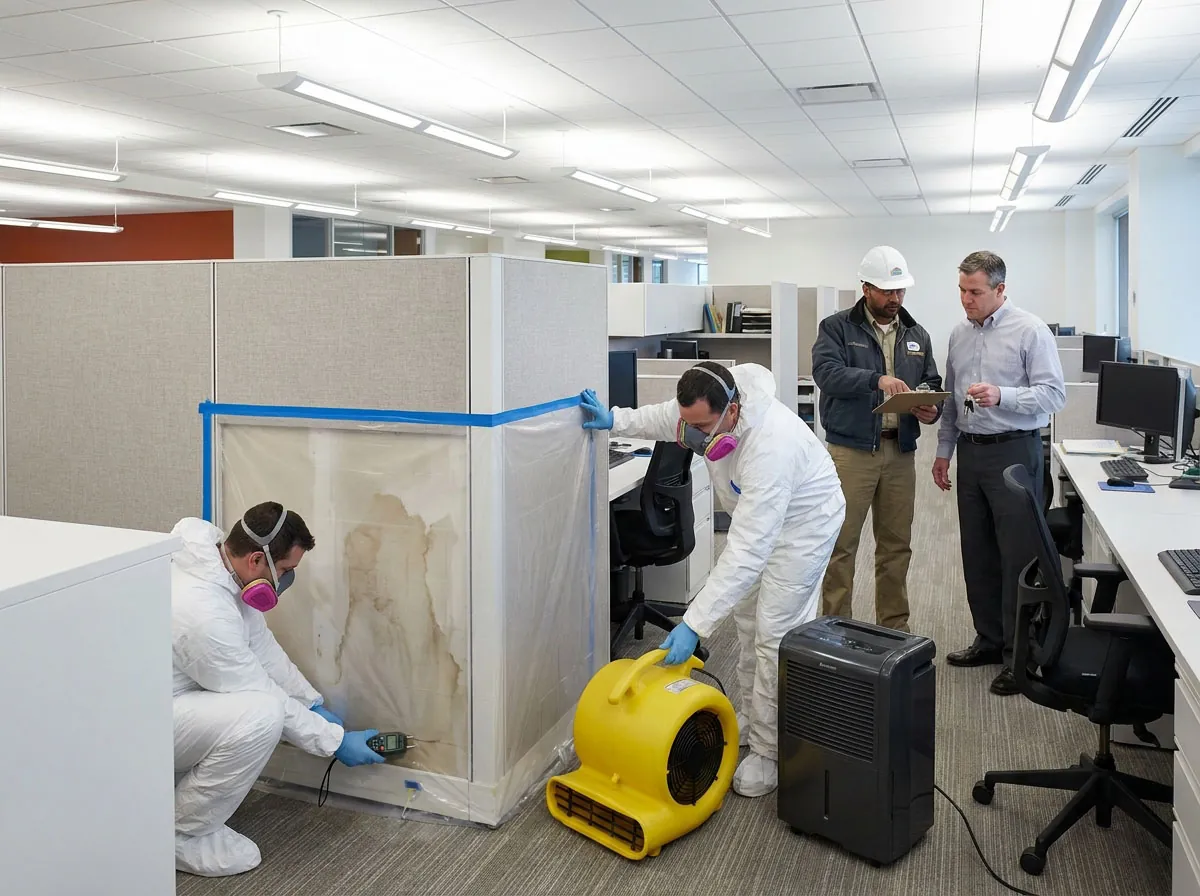


⚡ TL;DR: This guide provides homeowners in Winona County with effective strategies for basement flooding cleanup, covering rapid mitigation techniques and professional restoration methods to protect your valuable flooring investment.
📋 What You’ll Learn
Discover how to protect your Winona County home from severe water damage. This guide provides essential steps to effectively clean up basement flooding and preserve your valuable flooring from permanent ruin.
- Execute immediate mitigation tactics to stop the progression of water damage within the first critical hour, preventing deep saturation that threatens your home foundation and expensive floor materials.
- Identify specific flooring requirements by understanding how wood, carpet, and tile each necessitate distinct drying strategies to prevent long term warping, mold growth, or complete structural floor failure.
- Assess subfloor integrity correctly using professional techniques to spot hidden moisture, ensuring your basement remains safe from unseen decay and the lingering danger of trapped humidity underneath flooring.
- Master professional extraction methods by learning how industrial dehumidifiers and advanced drying equipment work together to effectively restore your basement environment to pre flood safety and quality standards.
- Navigate insurance claims successfully with detailed documentation tips that help you capture every damage point, ensuring you receive maximum coverage for your restoration and flooring replacement costs.
📖 Reading time: 8 min
✍️ Author expertise: Certified water damage restoration specialist with decades of field experience in Winona County.
You wake up to that unmistakable, squelching sound under your feet and realize your basement has turned into an indoor swimming pool. Your heart drops as you think about the thousands of dollars in flooring you just installed, now soaking up gray water like a sponge.
Most homeowners in Winona County panic and grab a mop, but that is exactly how you ruin your subfloor and invite toxic mold to take up permanent residence. You do not have to watch your home rot from the ground up while you wait for a contractor to return your call.
Here is how to stop the destruction before the water wins and preserve what you have worked so hard to build. Keep reading to discover the five specific steps that will save your floors and protect your wallet from a total disaster.
Immediate Mitigation: The First Hour to Prevent Permanent Water Intrusion
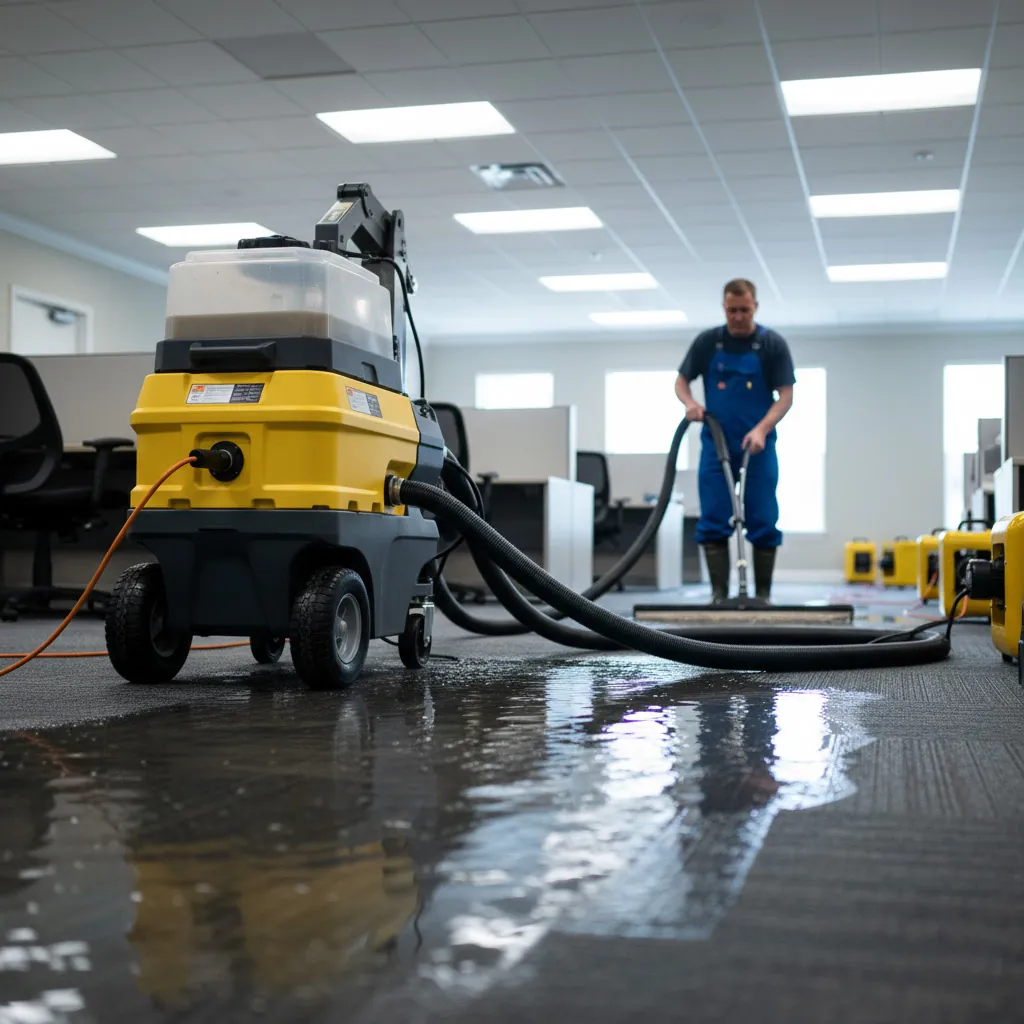
The first sixty minutes after you discover a flooded basement dictate whether you face a minor repair or a total property overhaul. You must kill the power to the basement immediately if you have any standing water, as electricity and moisture are a lethal combination. Once you verify that the area is safe, locate the source of the breach and shut off the main water supply if the flooding originates from a plumbing failure.
Speed acts as your primary currency here. Water moves faster than you think, wicking into drywall and soaking into the pores of your concrete foundation. While your instincts might scream at you to start scrubbing, you must focus on physical removal first.
Follow these urgent steps to stall the clock on structural decay:
- Stop the flow: If it is a pipe burst, twist the shutoff valve immediately.
- Clear the path: Move any salvageable items to a dry area to prevent further cross-contamination.
- Create airflow: Open windows if the outdoor humidity in Winona County is lower than the basement level, but only after you have cleared the bulk of the standing water.
- Document everything: Snap clear, high-resolution photos of the water level before you begin the extraction process.
Do not waste time with a standard household mop or a bucket. These tools merely push the water around and drive moisture deeper into the gaps of your floorboards. Instead, you need industrial-grade extraction to pull the water from the surface and the sub-layers before the fibers begin to swell or delaminate.
Identifying Your Flooring Material: Why Wood, Carpet, and Tile Require Different Tactical Responses
Not all basement floors are built the same, and treating them with a one-size-fits-all approach is a recipe for disaster. If you apply the same drying method to hardwood that you do to ceramic tile, you are essentially asking for warping and rot. Understanding your material is the first step in deciding whether to salvage or demolish.
Hardwood flooring is the most sensitive; it acts like a giant sponge that will buckle and crown within hours of water exposure. Carpet, on the other hand, is a magnet for bacteria and mold spores, often requiring immediate removal of the pad underneath to stop microbial growth. Tile and stone are far more resilient, but they hide water in the mortar beds and subfloors that can stay wet for weeks if you do not force air underneath.
Material Specific Tactical Responses
- Hardwood: Immediate professional extraction is non-negotiable. If it has cupped or lifted, it likely needs to be removed to dry the subfloor before mold takes hold.
- Carpet: Pull it up and check the padding. If the pad is soaked, it is often cheaper and safer to replace it entirely rather than risking trapped moisture.
- Tile/Vinyl: These act as vapor barriers, trapping moisture underneath. If water got beneath the seams, you must vent the area to prevent the underlying wood or concrete from deteriorating.
Do not wait for your flooring to smell like a damp basement before you take action. Fast reaction time is your best weapon against expensive floor replacement. If you have different flooring types in the same room, prioritize the wood or carpet first; the tile can wait, but the organic materials are currently breathing in the toxic dampness.
The Hidden Dangers: A Warning Signs Table for Assessing Subfloor and Structural Integrity
When water strikes, the surface flooring is only the tip of the iceberg. The real nightmare lies beneath the boards, where moisture compromises your subfloor and floor joists. If you ignore the signs of saturation, you are essentially feeding a buffet to black mold and structural rot.
| Indicator | Potential Hidden Damage | Risk Level |
|---|---|---|
| Soft, spongy floor patches | Subfloor saturation | Critical |
| Musty or sour odor | Hidden mold colonies | High |
| Visible white fuzz (efflorescence) | Concrete moisture wicking | Medium |
| Floor separation from baseboards | Subfloor warping | High |
| Dark staining on floor underside | Deep structural decay | Severe |
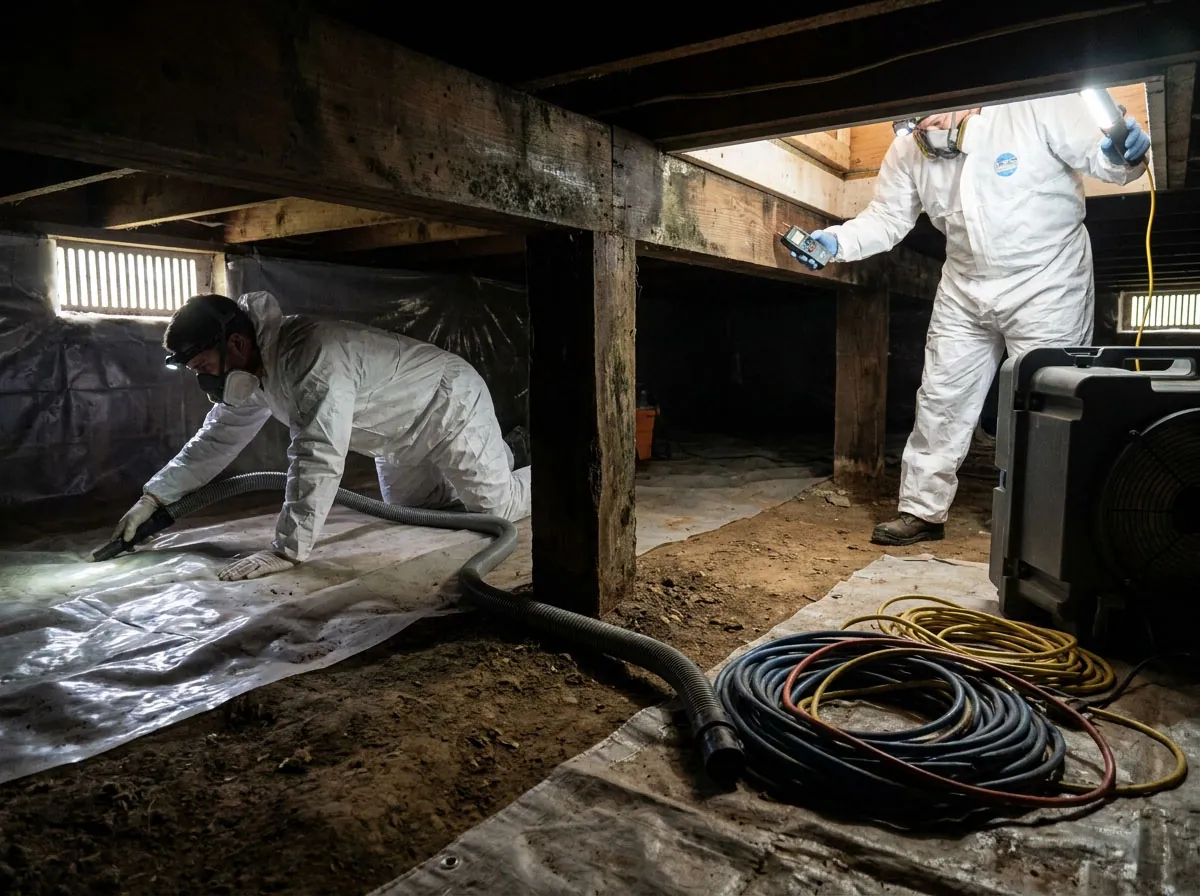
You must inspect these hidden zones immediately after extraction. Use a moisture meter to test the subfloor rather than relying on your eyes alone. If the moisture content in your wood joists exceeds 16 percent, you are already in the danger zone for long-term decay.
Recognizing When the Structure is Failing
Watch for physical shifts in the layout of your room. Floors that dip, squeak, or pull away from the wall are telegraphing a structural failure.
- Buckling joists: Look for sagging areas that were previously flat.
- Wick effect: Check if drywall or baseboards are absorbing water upward.
- Discoloration: Sudden dark spots indicate organic growth that is already past the surface level.
Do not wait for these signs to become obvious to the naked eye. If you find these markers, the clock is ticking on the integrity of your home frame. Contact a professional team to verify if the area needs industrial drying or if structural components require immediate removal.
Industrial Dehumidification and Professional Extraction Techniques Explained
When standing water invades your basement, a household shop-vac simply won't cut it. Professional water extraction relies on high-pressure, truck-mounted pumps that pull moisture from deep within padding and subfloor seams before it can settle into the structural foundation.
This process is the difference between a quick dry-out and a month-long battle against persistent dampness. Without industrial-grade extraction, your floors act like a wick, drawing water upward into your drywall and framing.
Once the bulk of the liquid is gone, we switch to environmental control. We deploy low-grain refrigerant (LGR) dehumidifiers that pull moisture directly out of the air and the materials themselves.
These machines are significantly more powerful than the unit you keep in your laundry room. They force a constant cycle of dry air, which is the only way to safely pull moisture out of dense materials like hardwood or concrete slabs.
The Science of Rapid Drying
To dry your basement effectively, our team follows a specific protocol that targets trapped water:
- Targeted Air Movement: We place high-velocity air movers in a daisy-chain pattern to push air across wet surfaces, forcing evaporation at an accelerated rate.
- Dehumidification Cycling: We monitor the moisture levels in the room to ensure the air stays dry enough to absorb further water from your floors.
- Moisture Mapping: Using thermal imaging and moisture probes, we track exactly where the water is hiding behind your baseboards and under your flooring.
This systematic approach stops the clock on mold growth. If the air isn't kept at a specific humidity level, your basement floor will remain a breeding ground for spores. Speed is the primary weapon in professional restoration, and our gear is designed to provide that speed twenty-four hours a day until the job is done right.
Winona County Real-World Recovery: A Case Study in Basement Flooring Restoration
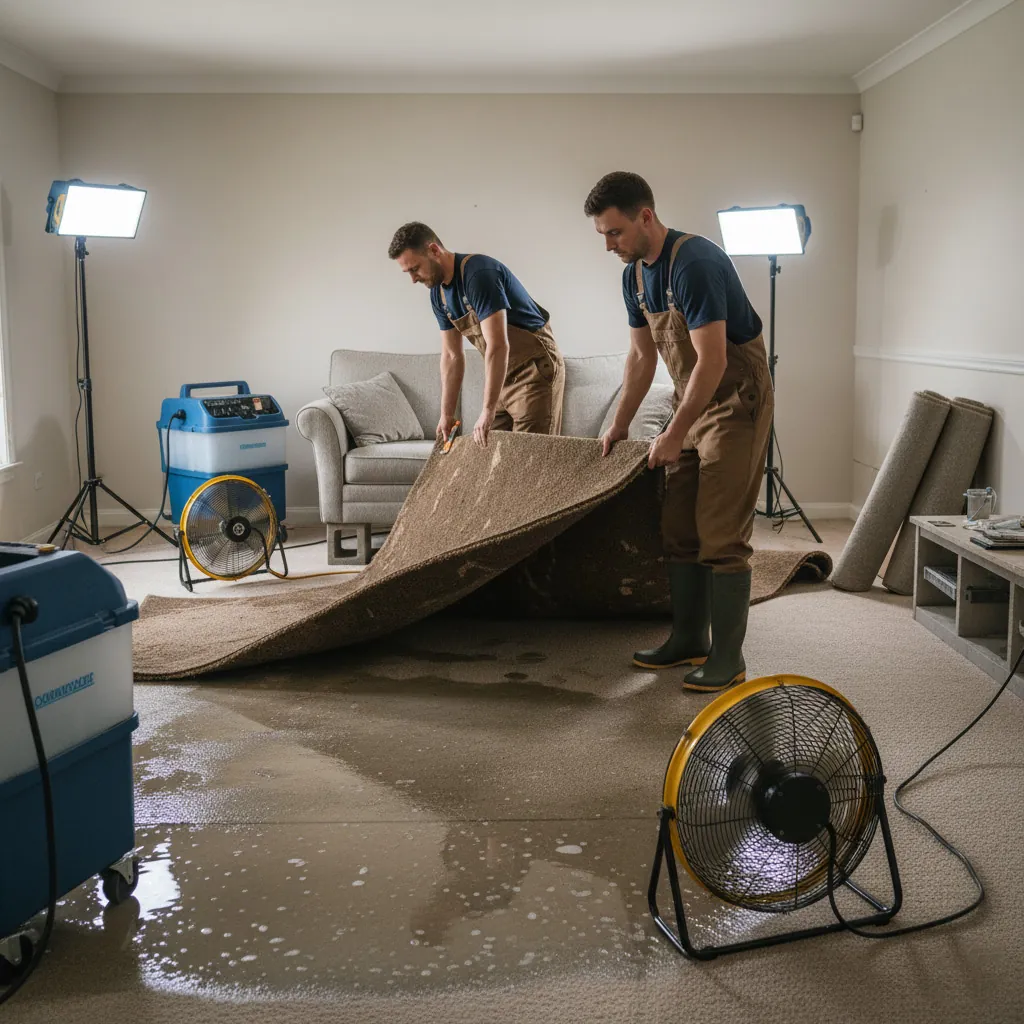
Last spring, a homeowner in the Rolling Hills area faced a severe flash flood that sent three inches of runoff across their luxury vinyl plank basement floors. Many people assume waterproof materials are invincible, but the seams between planks acted like miniature straws, pulling moisture directly into the plywood subfloor underneath.
When we arrived, the homeowner had already attempted to dry the space with a few household fans, which actually accelerated the growth of microbial colonies by pushing spores into the wall cavities. Our crew immediately pulled the perimeter trim to allow air circulation behind the baseboards, a critical move that saved the drywall from needing a full tear-out.
The Recovery Strategy Used
We implemented a targeted drying protocol that focused on extracting moisture from the hidden spaces beneath the flooring. By using specialized injectors to push warm, dry air into the subfloor assembly, we were able to restore the structure without removing the vinyl planks.
- Phase 1: Rapid extraction using high-pressure extraction wands.
- Phase 2: Application of EPA-registered antimicrobial agents to stop mold.
- Phase 3: Placement of low-grain refrigerant dehumidifiers to reach a target humidity below 40 percent.
- Phase 4: Continuous moisture mapping to verify the subfloor returned to its dry standard.
The result was a total recovery of the materials with zero loss to the subfloor integrity. By acting within the first few hours and avoiding the mistake of using standard box fans, the owner protected their investment and avoided the cost of a complete floor replacement.
Insurance Claims and Documentation for Maximum Coverage
Insurance companies are not in the business of giving away money. If you want a fair payout for your Winona County home, you must treat your claim like a legal case.
Start by documenting everything before you touch a single item. If you move or discard items too quickly, the adjuster will assume you are hiding the extent of the damage.
Take high-resolution photos of the water lines against the walls. Record a video walkthrough showing the source of the leak and the saturation level of your floors.
Keep a physical binder or a digital folder specifically for your restoration project. You need to prove the value of what was lost to get the check you deserve.
Documentation Checklist for Your Adjuster
- Detailed photos of the water source and standing water depths.
- Inventory lists of damaged flooring, trim, and baseboards.
- Copies of all receipts for emergency professional services.
- A written log of every phone call made to your insurance agent.
- Professional estimates from licensed restoration contractors.
When you speak to your adjuster, be specific about the nature of the water. If you suspect sewer backup, make sure that is clearly noted, as it often falls under a different category than standard pipe bursts or storm runoff.
Always request a copy of the adjuster’s line-item estimate for your own records. If their math looks off compared to the bid provided by your local restoration team, you have the right to challenge it with your own evidence.
Maintaining a Dry Basement for Long-Term Property Value
Stopping the water is only half the battle. If you want to avoid a repeat performance, you must treat your basement like a fortress rather than a storage shed.
Start by auditing your foundation and exterior grade. If the soil around your home slopes toward the house, you are essentially funneling rainwater directly into your walls.
Proactive Steps for a Bone-Dry Basement
- Extend your downspouts at least six feet away from the foundation.
- Clear your gutters twice a year to prevent overflow during heavy Minnesota storms.
- Install a high-quality sump pump with a reliable battery backup system.
- Seal any visible cracks in your foundation walls using industrial grade masonry caulk.
Ignoring minor dampness is a fast track to disaster. Most homeowners wait until they see mold, but by then, the damage to your property value is already locked in.
When in doubt, get a professional inspection. A small investment in sealing or drainage today saves you from the massive expense of another emergency Basement Flooding Cleanup project tomorrow.
Monitor your humidity levels during the summer months. Keep it below 50 percent to stop mold spores from turning your basement into a petri dish. Your home is your biggest asset, so stop gambling with its structural integrity.
People Also Ask
How soon should I begin basement water cleanup in Winona County?
You should begin the cleanup process immediately, ideally within the first 24 hours, to prevent the growth of mold and structural damage. Acting fast is crucial for salvageable materials like hardwood or carpeting.Can I save wet carpet after a basement flood?
Whether you can save your carpet depends on the source of the water and how long it has been saturated. If the water is contaminated, the carpet must be professionally cleaned or replaced according to environmental guidelines.What are the signs of subfloor water damage?
Common warning signs include soft spots in the flooring, a musty odor, or visible warping near the baseboards. If you notice these symptoms, the subfloor likely requires professional moisture testing to prevent long term rot.Does homeowners insurance cover basement flooding in Minnesota?
Standard homeowners insurance policies often exclude damage caused by groundwater or external flooding unless you have a specific rider. Always document all property damage with detailed photos and receipts to assist with your insurance claim process.Why is professional dehumidification necessary for basement floors?
Relying on residential fans is rarely enough to remove moisture trapped deep within concrete slabs or floor joists. Professionals use industrial-grade equipment to reach the hidden moisture levels that cause future structural failure.Need Water Damage Restoration Services?
One call connects you with a licensed restoration contractor working in Winona County, 24 hours a day. Coverage runs from the Mississippi flats through the bluff communities to the upland farm country: ZIP 55987, 55910, 55952, 55959, 55969, 55972 and 55988.
Water damage compounds by the hour. Mold takes hold in porous material within 24 to 48 hours, so the difference between a drying job and a rebuild is usually how fast someone gets there. The referral is free and carries no obligation.
Request Damage Estimate
Winona County Water Damage Restoration is a 24 hour dispatch service for water, flood, mold, fire and sewage emergencies across Winona County, Minnesota. One call routes your job to a licensed local restoration contractor covering ZIP 55987, 55910, 55952, 55959, 55969, 55972 and 55988.
These guides are written for property owners in this county specifically, drawing on how water actually behaves here: the sandbar ground under Winona, the karst bedrock on the uplands, and the bluff creeks that flooded Stockton and Minnesota City in August 2007. Work is performed by IICRC certified, BBB accredited contractors to the ANSI approved IICRC S500 and S520 standards.