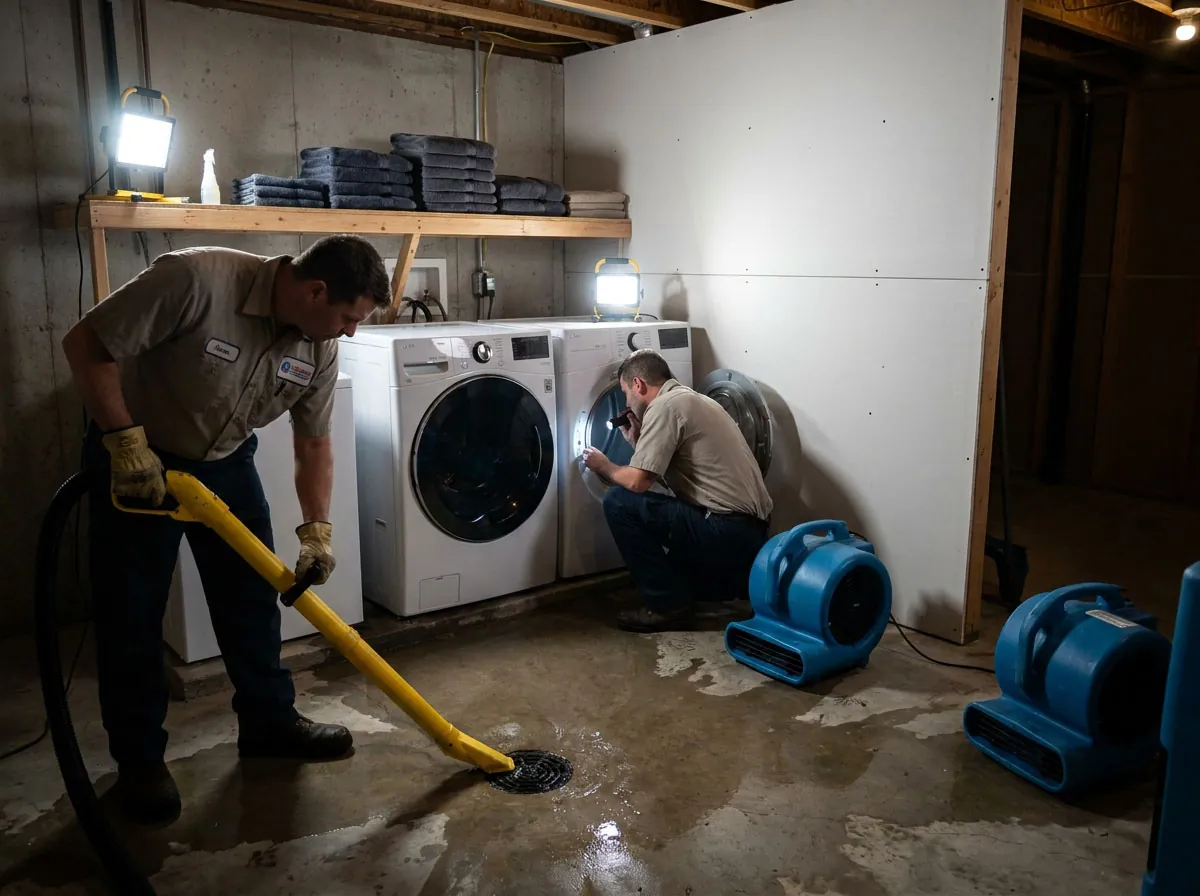


⚡ TL;DR: This guide provides essential information on managing sewage backup cleanup in Winona County, highlighting the health risks of contamination and why professional remediation ensures a safe home environment.
📋 What You’ll Learn
Dealing with a sewage backup in Winona requires immediate, expert action to protect your home. This guide explains how to safely navigate contamination risks and restore your property after a disaster.
- Identify serious health hazards found in raw sewage that pose immediate threats to your family and pets if you attempt to clean up the mess without professional safety gear.
- Implement crucial containment steps that minimize the spread of contaminated water through your basement and home foundation before our specialized restoration team arrives to begin the extraction process.
- Recognize dangerous category three water by learning the distinct differences between standard pipe leaks and toxic sewage spills to ensure you know when the situation requires emergency professional intervention.
- Follow professional remediation protocols that our team uses to thoroughly sanitize your Winona property, ensuring every surface is restored to a safe, healthy, and livable condition for your household.
📖 Reading time: 7 min
✍️ Author expertise: Local Winona water damage expert with years of field experience handling complex sewage emergencies.
You wake up in the middle of the night to the sound of gurgling drains and the unmistakable, gut-wrenching stench of raw sewage creeping up through your floorboards. It is a homeowner's worst nightmare, and in Winona, the reality of aging infrastructure means this foul mess can strike your basement without a moment's notice.
This is not just a messy cleanup job or a minor plumbing inconvenience. You are looking at a toxic cocktail of bacteria, viruses, and parasites that can turn your home into a serious health risk within hours.
Most people make the mistake of grabbing a mop and a bottle of bleach, thinking they can handle it themselves. That approach often leads to long-term structural rot and lingering sickness for your family.
If you want to protect your property and your health from the hidden dangers lurking in that contaminated water, pay close attention to these critical steps you must take immediately.
The Dangerous Truth: Why DIY Sewage Backup Cleanup Is a Public Health Hazard
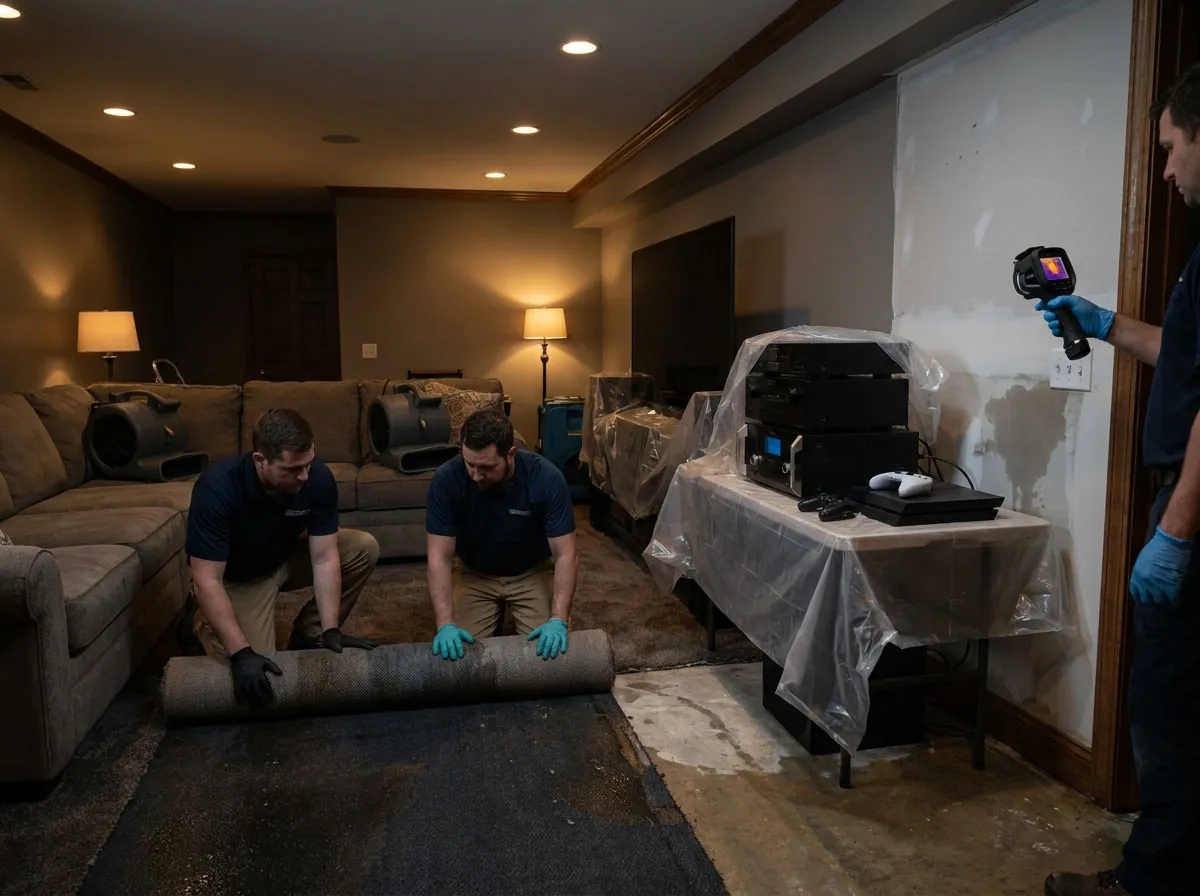
When you see raw sewage flooding your floor, your instinct is to grab a bucket and start scrubbing. Stop right there. You are not just dealing with dirty water; you are stepping into a biohazard zone that requires more than household cleaners.
Most homeowners assume a splash of bleach and a mop will fix the problem. In reality, that is a recipe for disaster. Sewage contains pathogens that can become airborne, cling to your lungs, or enter your bloodstream through a small scratch.
Standard household tools fail to reach the microscopic cracks where bacteria colonies thrive. By trying to clean this yourself, you are effectively pushing toxins deeper into your subfloor and wall studs.
The Real Risks You Face:
- Pathogen Exposure: Raw waste is crawling with E. coli, Salmonella, and Giardia.
- Aerosolization: The moment you stir up that water, you release hazardous particles into the air your family breathes.
- Cross Contamination: Without professional containment, you track these invisible threats into every other room of your house.
- Structural Failure: Porous materials like carpet, drywall, and insulation act like sponges. They soak up toxins that bleach simply cannot neutralize.
If you don’t have professional-grade PPE, negative air machines, and industrial sanitizers, you are gambling with your family’s safety. Professional restoration is not a luxury. It is the only way to ensure your home is actually clean rather than just looking the part.
Immediate Actions: Containment Steps to Take Before Professionals Arrive
When sewage backs up, your priority is containment, not cleaning. The moment you spot the spill, you must minimize the spread to prevent the contamination of unaffected areas of your home.
Follow these rapid response protocols to protect your family and the rest of your structure:
- Shut off the main water supply to stop additional waste from entering the pipes.
- Turn off the electricity to the affected rooms if the water level is rising near outlets or appliances.
- Seal off the room by closing doors and using duct tape or plastic sheeting to cover vents.
- Vacate the area immediately; do not let children or pets near the puddle.
Never attempt to wade through the mess without proper personal protective equipment. Even a small splash can introduce dangerous pathogens into your system through open cuts or mucus membranes.
Keep your hands away from your face and wash thoroughly with hot, soapy water if you accidentally touch any contaminated surface. Leave the restoration work to the licensed experts who have the industrial grade gear to handle these hazardous conditions safely.
The Anatomy of Contamination: Pathogens and Toxins Found in Winona Floodwaters
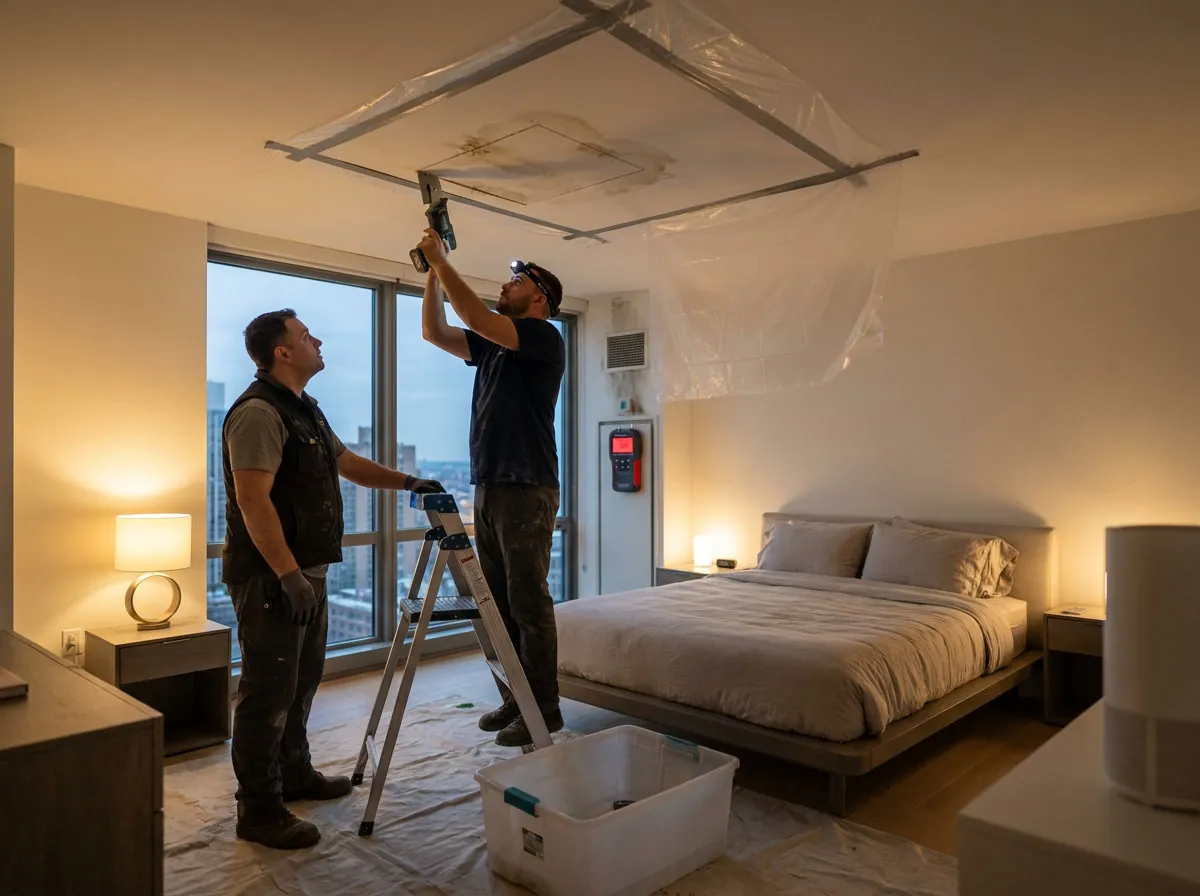
When raw sewage backs up in your basement, you aren't just dealing with gray water or rainwater. You are facing Category 3 water, also known as black water, which is essentially a biological weapons lab in your home.
This water is teeming with microscopic threats that thrive in the dark, damp conditions of a typical Winona foundation. These pathogens can bypass your immune system through simple touch, inhalation of aerosolized particles, or even by walking through the area and tracking it into your living spaces.
Biological Threats Lurking in Your Basement
The health risks are not just theoretical; they are clinical realities. Exposure to this environment can lead to severe gastrointestinal distress, skin infections, and respiratory issues.
- E. coli and Salmonella: Common bacteria that cause severe food poisoning and dehydration.
- Hepatitis A: A viral infection that attacks the liver and spreads through contaminated surfaces.
- Cryptosporidium and Giardia: Parasites that cause intense stomach cramps and prolonged illness.
- Tetanus: If you have an open wound, the bacteria found in sewage can enter your bloodstream and cause life-threatening complications.
Beyond the biological pathogens, you are dealing with a chemical soup of household cleaners, pharmaceuticals, and pesticides flushed into the municipal system. When these mix with the moisture in your basement, they create volatile organic compounds that degrade your indoor air quality almost instantly.
Do not assume that the water is clean just because it looks clear or lacks a pungent odor. Many of the most dangerous viruses are odorless and colorless, making the environment deceptively lethal without the proper industrial grade testing equipment.
Real-World Restoration: A Case Study of a Basement Sewage Emergency in Winona
Last winter, a local family in a historic Winona neighborhood called us after a sudden sewer backup flooded their finished basement. The temperature outside had dropped significantly, causing their aging main sewer line to collapse under the pressure of shifting frozen ground.
By the time they discovered the issue, the toxic waste had already saturated their drywall, carpet, and sentimental belongings stored in cardboard boxes. They had tried to soak up the water with bath towels, unknowingly spreading dangerous fecal matter across the entire floor plan.
When our team arrived, we had to address several immediate risks to prevent long term structural damage:
- Full removal of porous materials like carpets and padding that acted as sponges for hazardous pathogens.
- Antimicrobial cleaning of all concrete surfaces to neutralize lingering bacteria.
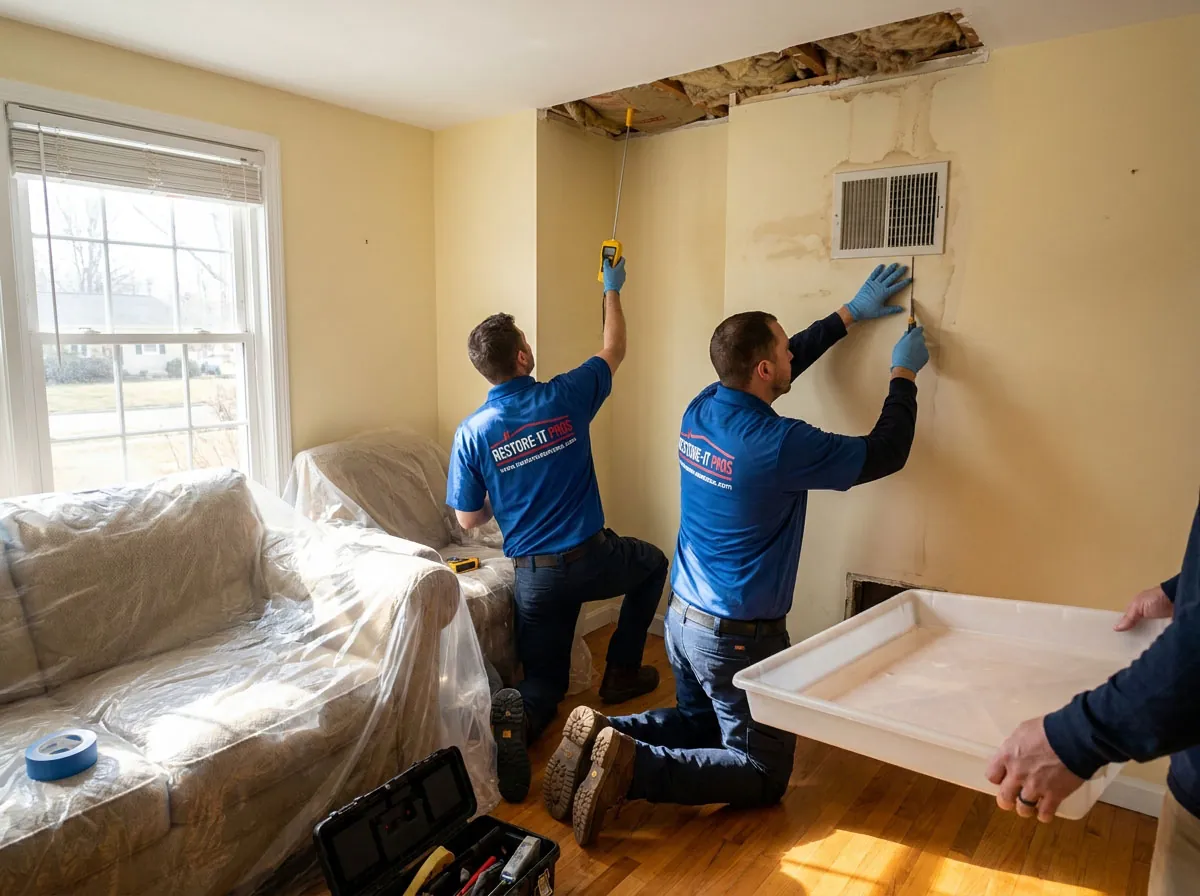
- Precision moisture testing behind walls to identify hidden pockets of moisture that lead to toxic mold growth.
Speed is everything in these scenarios. Because we used industrial-grade extraction equipment and high-powered air scrubbers, we were able to save the framing of the basement while protecting the family from a potential respiratory crisis. They were back to using their living space safely in just a few days, rather than dealing with a month of ongoing headaches and health scares.
Comparative Table: Identifying Category 3 Water Damage vs. Standard Pipe Leaks
Not all water damage is created equal. A simple leaking pipe under your kitchen sink is a nuisance, but a raw sewage backup is a biological hazard that requires a completely different tactical response.
| Feature | Standard Pipe Leak | Category 3 Sewage |
|---|---|---|
| Water Source | Clean supply line | Toilet/Sewer lines |
| Risk Level | Low to moderate | Extreme health risk |
| Cleanup Method | Dry out and patch | Sanitize and disinfect |
| PPE Required | Basic gloves | Hazmat gear/Respirators |
| Permit/Rules | General plumbing | EPA/OSHA standards |
The difference lies in the contaminants. When a pipe leaks, the water is generally free from pathogens. You fix the leak, dry the area, and the danger vanishes.
Sewage is different. It is categorized as Category 3 water, meaning it is loaded with human waste, harmful bacteria, and potential viruses. If you treat this like a standard spill, you are gambling with your family’s safety.
Recognizing the Difference
You can identify the severity by looking at a few distinct indicators:
- Odor: A standard leak smells like damp wood. Sewage has a pungent, sickening stench that sticks to surfaces.
- Color: Clean water is clear. Sewage water often appears dark, murky, and may contain solid waste.
- Speed: A leaky pipe is usually a slow drip. A backup often surges, soaking floorboards and drywall in seconds.
If you see signs of sewage, stay out of the area. Your home's ventilation system can pull those microscopic toxins into every room if you try to clean it without industrial-grade containment equipment.
Why Professional Remediation Is the Only Path to a Sanitary Home
When sewage floods your Winona property, you aren't just dealing with water; you are facing a Category 3 hazard that standard cleaning products cannot touch. Store-bought disinfectants often fail to penetrate porous materials like drywall, carpet padding, and wood framing, leaving dangerous pathogens trapped inside your home structure.
Professional restoration crews use industrial-grade equipment to stop these risks in their tracks. We rely on specialized antimicrobial treatments that neutralize biohazards at the molecular level, ensuring that your home is safe for your kids and pets again.
The Critical Advantages of Expert Intervention
- Industrial Extractors: We use high-suction vacuums that pull contaminated moisture out from deep within subflooring, which a shop vac simply cannot reach.
- Advanced Sanitization: Our team applies EPA-registered disinfectants that kill bacteria and viruses that common household bleach misses.
- Structural Drying: We monitor moisture levels in your wall cavities to prevent hidden mold growth that can cause long-term health issues and property damage.
- Safe Disposal: Dealing with contaminated waste is regulated by strict safety codes. We handle the removal and disposal of hazardous materials so you never have to come into contact with them.
Attempting to fix this on your own usually leads to trapped moisture, which acts as a breeding ground for toxic mold long after the smell fades. If you want to protect your home value and, more importantly, your family's health, leave the hazmat cleanup to those who have the gear and the training to do it right.
Restoring Safety and Peace of Mind for Your Family
A sewage backup is more than a mess; it is a direct assault on the sanctuary you call home. You have worked too hard to build your life in Winona to let a plumbing failure destroy your peace of mind.
When you act decisively and bring in experts for Sewage Backup Cleanup, you aren't just cleaning floors. You are reclaiming your environment and shielding your loved ones from invisible threats.
Your Immediate Checklist for Total Safety
Speed is your best friend when contaminants are involved. Once the professionals are on the scene, follow these simple rules to keep your family safe:
- Keep children and pets entirely away from the affected basement area.
- Avoid touching any porous materials like carpet or drywall that have soaked up sewage.
- Do not attempt to dry the area with standard household fans; this only spreads airborne mold spores and bacteria throughout your vents.
Real restoration happens when every square inch is sanitized, dried, and verified by industry standards. Do not settle for a surface-level job. Your home deserves a clean slate, and your health is worth far more than the cost of professional intervention.
People Also Ask
Is sewage backup in a basement covered by homeowners insurance?
Most standard homeowners policies do not cover sewage backups unless you have added a specific endorsement for water and sewer backup. You should contact your provider immediately to review your policy details for your Winona property.What health risks are associated with sewage exposure?
Sewage contains bacteria, viruses, and parasites that can cause serious gastrointestinal and respiratory illnesses. The federal agency provides detailed guidelines on the specific pathogens found in contaminated water.How do I know if I have a sewage leak versus a clean water leak?
Sewage, also known as Category 3 water, is often discolored and carries a distinct, foul odor from waste materials. A standard pipe leak involves clear water and lacks the hazardous biological contaminants found in sewage.Can I clean up a sewage backup myself?
It is highly recommended that you avoid cleaning up sewage yourself due to the significant risk of pathogen exposure. Professional remediation teams use industrial grade equipment and personal protective gear to ensure the area is safely sanitized.How long does it take for mold to grow after a sewage backup?
Mold can begin to colonize damp materials within 24 to 48 hours after an initial exposure to moisture. Prompt professional intervention is essential to prevent secondary damage and structural mold growth in your home.Need Water Damage Restoration Services?
One call connects you with a licensed restoration contractor working in Winona County, 24 hours a day. Coverage runs from the Mississippi flats through the bluff communities to the upland farm country: ZIP 55987, 55910, 55952, 55959, 55969, 55972 and 55988.
Water damage compounds by the hour. Mold takes hold in porous material within 24 to 48 hours, so the difference between a drying job and a rebuild is usually how fast someone gets there. The referral is free and carries no obligation.
Request Damage Estimate
Winona County Water Damage Restoration is a 24 hour dispatch service for water, flood, mold, fire and sewage emergencies across Winona County, Minnesota. One call routes your job to a licensed local restoration contractor covering ZIP 55987, 55910, 55952, 55959, 55969, 55972 and 55988.
These guides are written for property owners in this county specifically, drawing on how water actually behaves here: the sandbar ground under Winona, the karst bedrock on the uplands, and the bluff creeks that flooded Stockton and Minnesota City in August 2007. Work is performed by IICRC certified, BBB accredited contractors to the ANSI approved IICRC S500 and S520 standards.