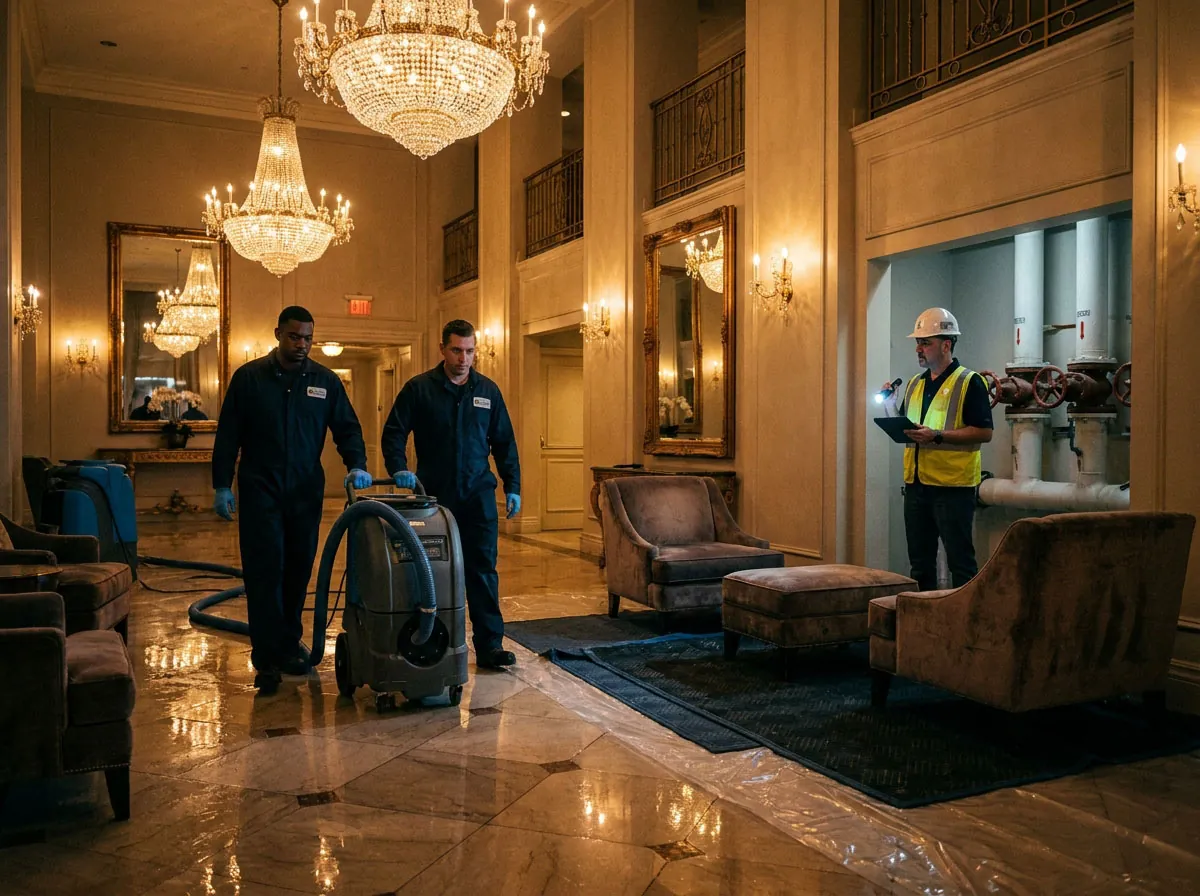


⚡ TL;DR: Swift professional flood damage restoration is essential for Winona residents to prevent structural decay and health hazards while ensuring a smoother process for handling local insurance claim documentation.
📋 What You’ll Learn
Protecting your Winona property after a flood requires swift action and expert knowledge. This guide explains how rapid restoration saves your home from structural decay and long term health hazards.
- Understand the 24 hour timeline that dictates how quickly mold and structural degradation take root in your home once floodwaters from the Mississippi River penetrate your basement flooring.
- Identify hidden safety risks associated with floodwater contamination that require professional sanitization to keep your family safe from dangerous bacteria and pathogens lurking inside your water damaged walls.
- Master the mitigation process by learning the essential emergency steps every Winona homeowner should take immediately while waiting for our professional crew to arrive on the job site.
- Simplify your insurance claims by following our expert documentation tips designed to help you secure the coverage you need to pay for essential flood repairs and restoration services.
📖 Reading time: 7 min
✍️ Author expertise: Local restoration technician with decades of experience managing flood recovery across Winona County.
The Mississippi River doesn’t ask for permission before it creeps into your basement. One moment you are living your life in Winona, and the next, your property is sitting in a swamp of contaminated runoff.
Most homeowners assume a little water won't kill their home as long as it dries out eventually. That is a dangerous mistake that can cost you tens of thousands of dollars in hidden structural rot and toxic mold growth.
When your floors and walls are saturated, the clock starts ticking the second the water hits your baseboards. Here is exactly why waiting even twenty-four hours is a gamble you cannot afford to lose.
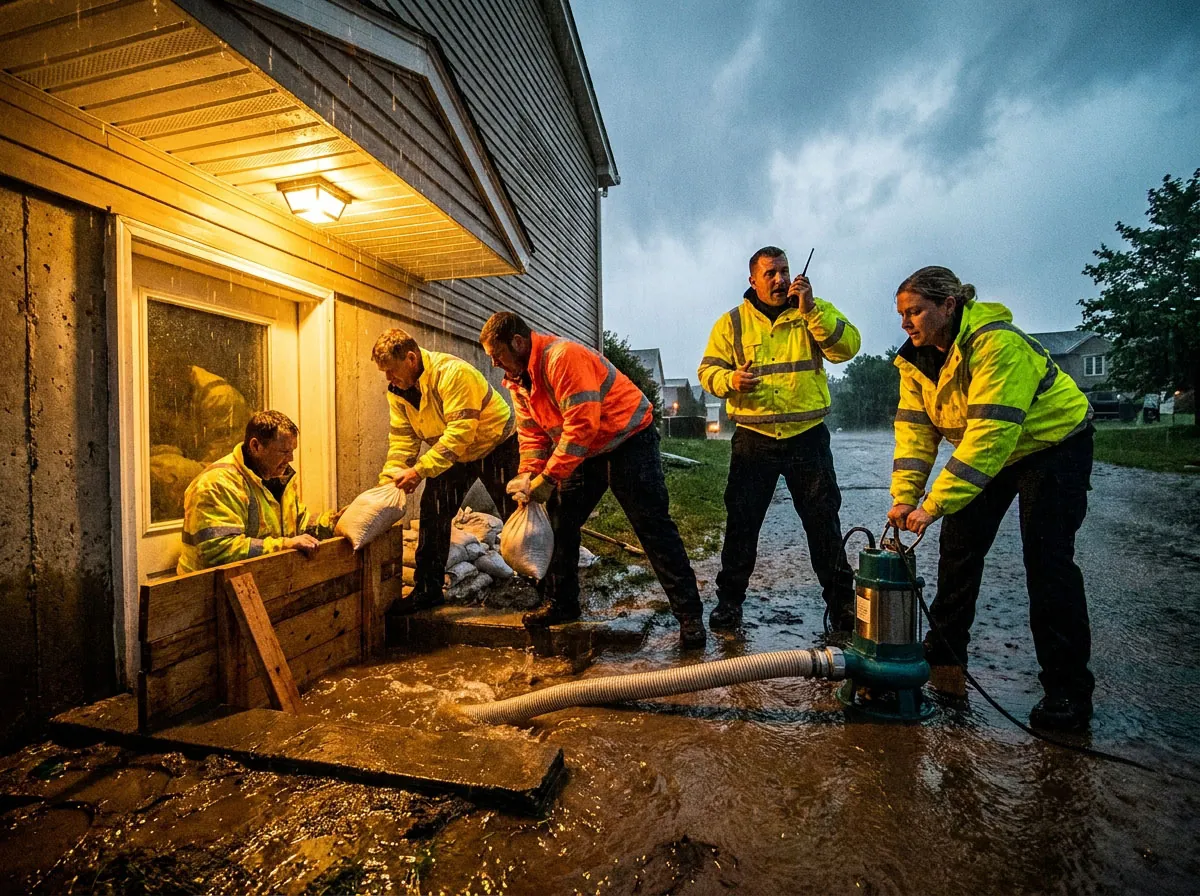
The 24-Hour Countdown: How Structural Decay Accelerates After Flooding
Water acts like a sponge for your home, but it never plays fair. Within the first few hours, moisture travels upward through drywall and wicks into the wooden studs behind your walls.
By the time you reach the twelve-hour mark, your insulation becomes a heavy, sodden mess. This weight can cause ceilings to sag or drywall to crumble under its own gravity.
The real trouble begins as the clock strikes twenty-four. That is when the biological clock starts ticking.
The Biological Timeline of Damage
- 0 to 6 Hours: Water saturates carpet padding and begins to warp hardwood flooring. Furniture legs start to absorb moisture, leading to permanent staining or fiber breakdown.
- 6 to 24 Hours: Drywall begins to soften and lose its structural integrity. This creates the perfect, damp environment for microbial growth to take root in hidden cavities.
- 24+ Hours: The risk of mold blooms increases exponentially. Once spores settle into porous materials, you are no longer just dealing with water; you are dealing with a full-scale environmental hazard.
When you wait, you aren't just letting your house sit. You are actively inviting secondary damage to settle in for the long haul.
Ignoring this window means that simple drying methods will no longer suffice. You move from a quick extraction process to a costly, invasive demolition of your home’s structure.
Hidden Hazards: Why Mississippi River Runoff Requires Professional Sanitization
When the Mississippi River rises, it brings more than just H2O into your Winona home. That water acts as a transport system for raw sewage, agricultural pesticides, and heavy industrial chemicals collected from upstream overflow.
Most residents mistakenly believe that once the standing water drains, the danger has passed. In reality, you are left with a toxic film clinging to your drywall, studs, and floor joists that standard household cleaners simply cannot neutralize.
The Contamination Spectrum
You need to recognize that floodwater is categorized by the level of risk it poses to your family. Exposure to these pathogens can trigger severe respiratory issues or skin infections within days of contact:
- Category 3 Water: Also known as black water, it contains harmful bacteria, fungi, and parasites.
- Microbial Growth: Mold spores thrive on damp organic materials, spreading across your basement walls in as little as 48 hours.
- Chemical Residue: Runoff from local fields often carries nitrogen and phosphorus, which feed bacterial colonies and accelerate structural rot.
Professionals use industrial-grade biocides and specialized containment zones to ensure these toxins do not become airborne during the drying process. Attempting to scrub these surfaces yourself often kicks up dangerous spores and bacteria into your home’s ventilation system, turning a basement issue into a whole-house health crisis.
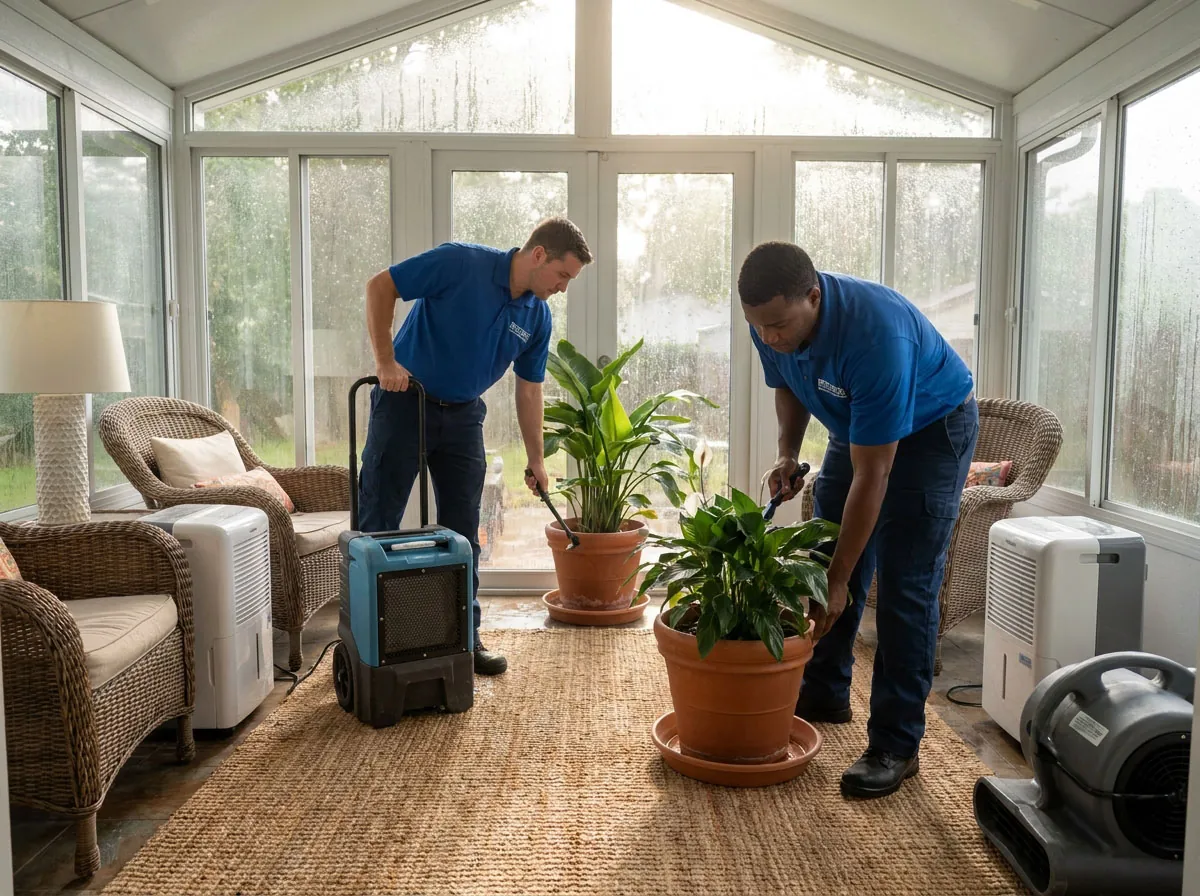
Anatomy of a Winona Recovery: A Case Study in Basement Restoration
Consider a recent job we handled in a historic home near the riverfront. The basement had taken on six inches of Mississippi floodwater, which had soaked into the drywall, insulation, and even the subfloor.
The homeowner thought a few industrial fans would solve the issue. They were wrong.
By the time we arrived, microbial growth had already begun to colonize the wood studs. Our team had to perform a systematic teardown to save the structural integrity of the home:
- Removed all saturated drywall four feet above the water line.
- Extracted standing water using heavy-duty pumps.
- Applied hospital-grade antimicrobial agents to prevent fungal blooms.
- Set up dehumidifiers to pull moisture from deep within the concrete foundation.
This process is not just about cleaning up the mess. It is about stopping the cycle of decay before it turns a simple flood into a permanent health hazard.
We saved that basement by acting within the critical forty-eight hour window. Had the owner waited until the weekend to call, the cost of materials and labor would have doubled due to the spread of toxic spores.
The Cost of Delay: A Detailed Comparison Table of Repair Expenses
Most Winona homeowners treat water intrusion like a minor nuisance, but waiting a few days to act is a financial disaster waiting to happen. The difference between a simple extraction and a total gut job is measured in hours, not days. When you let moisture sit, you aren't just paying for drying; you are paying for reconstruction.
| Service Phase | Action Within 24 Hours | Action After 72 Hours |
|---|---|---|
| Water Extraction | Basic Drying Cost | Increased Labor + Dehumidification |
| Mold Remediation | None Required | Professional Cleanup Required |
| Structural Repairs | Surface Cleaning | Wall Stud/Drywall Replacement |
| Flooring | Restore Existing Carpet | Full Floor Replacement |
| Total Estimated Cost | $ (Low) | $$$ (High) |
If you wait, the water wicks upward into your studs and subflooring. This creates a breeding ground for mold colonies that hide inside your wall cavities. Once the mold takes hold, the bill shifts from a simple service call to an intensive, multi-phase renovation project.
Consider the secondary consequences of procrastination:
- Increased insurance premiums due to major claims.
- The entire loss of furniture and irreplaceable family photos.
- The need for hotel stays while your home is rendered uninhabitable.
You can spend a little now to handle the water immediately, or you can pay ten times that amount later to deal with structural rot and toxic air quality. The math is simple, and the urgency is real. Do not let a weekend of hesitation destroy your equity.
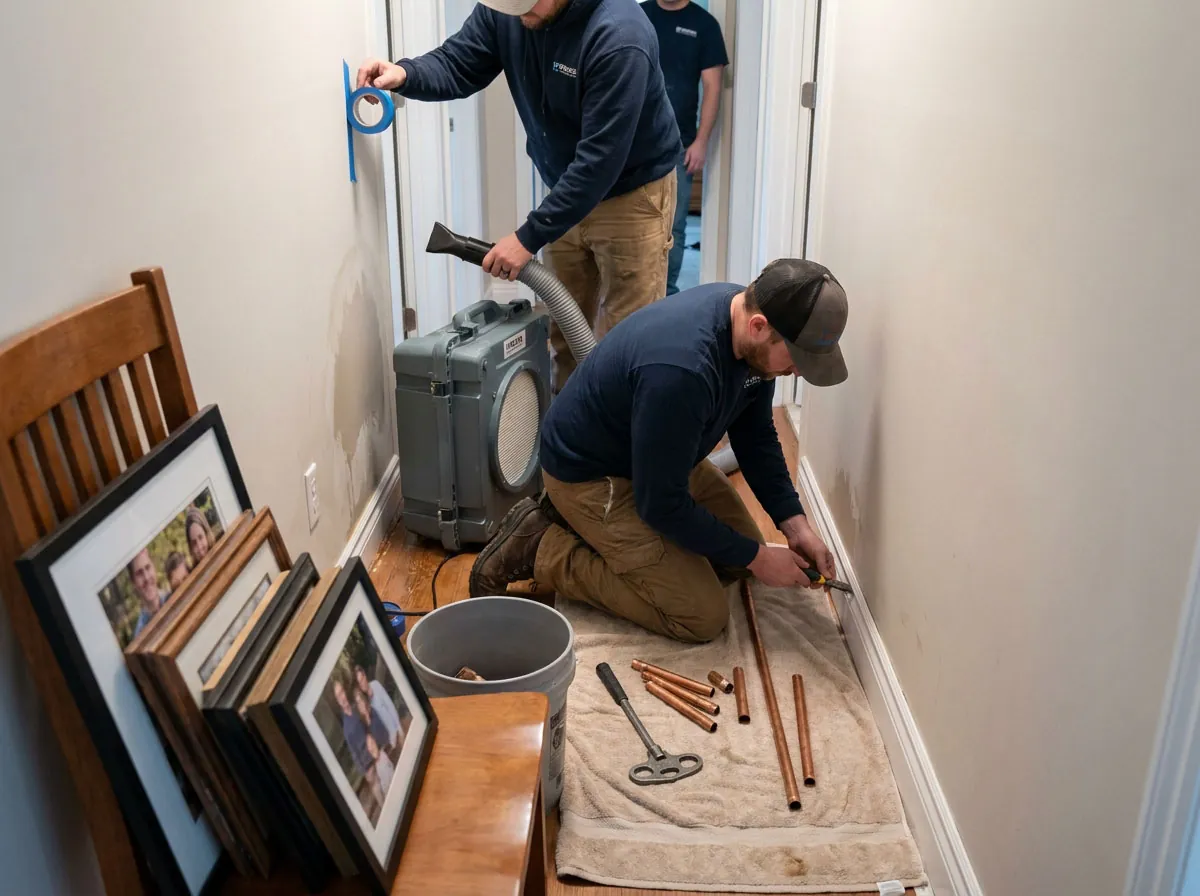
Essential Steps for Immediate Mitigation While Waiting for Help
When the water level rises, your primary objective is safety and stabilization. Before you even think about grabbing a mop, shut off the main power breaker if you can do so without stepping into standing water.
Electricity and water create a lethal combination. If your fuse box is submerged, call a professional or the utility company immediately; do not risk a life-threatening shock just to save a few boxes of keepsakes.
Once you are sure the power is cut, focus on these quick actions to prevent further damage:
- Move portable electronics, important documents, and sentimental items to a dry, higher level.
- Clear out wet area rugs or furniture to stop dye transfer and prevent floor warping.
- Open windows if the outdoor humidity is low, but skip this if it is raining or muggy outside.
- Use a wet-vac to remove excess standing water if you have access to one and it is safe to operate.
Do not attempt to use household fans to dry out the room if the water is contaminated with Mississippi River runoff. You will only circulate harmful bacteria and mold spores into the air, which can cause serious health issues for your family.
Keep a detailed log of the damage as you move through your home. Take clear photos of every affected wall, appliance, and floorboard before moving a single item. This simple documentation will make your future insurance claim move much faster and save you from major headaches later on.
Insurance Claims and Documentation for Local Residents
Dealing with flood damage is already a massive headache, but fighting with insurance adjusters makes it worse. Most Winona homeowners make the mistake of cleaning up or throwing away damaged items before taking proper photos. If you cannot prove the damage, you cannot get paid for the repairs.
You need to treat your basement like a crime scene. Before you touch anything, grab your phone and document every single inch of the destruction.
- Take clear, wide-angle photos of the entire room.
- Record close-up videos of mold growth or water lines on your walls.
- Write down the age and model number of any appliances that stopped working.
- Keep a physical folder of every receipt related to temporary lodging or emergency supplies.
Insurance companies rely on fine print to limit their payouts. They will often try to classify rising river water as an act of God rather than a standard home maintenance issue. Do not accept their first offer without question. If you have a professional mitigation company handle the cleanup, we provide detailed moisture logs and industry-standard documentation that insurance adjusters have to respect. Having us in your corner prevents them from lowballing your claim or denying coverage based on incomplete records.
The Final Verdict on Property Protection
You have a narrow window to save your investment before a manageable cleanup turns into a total gut job. Every hour you spend waiting for the water to "just go away" is an hour where structural rot takes hold behind your drywall.
Professional Flood Damage Restoration is not just about moving water out of a room. It is about stopping microscopic spores from colonizing your home and ensuring your family stays safe from the toxic sludge often found in Mississippi River runoff.
The Real Choice You Face Today
You can try to handle this with a shop vac and some box fans, or you can bring in the pros who know exactly where moisture hides. If you ignore the signs of saturation, you aren't just dealing with a damp carpet anymore; you are looking at:
- Compromised floor joists that threaten your floor's stability.
- Electrical hazards lurking behind wet baseboards.
- Toxic mold outbreaks that can trigger severe respiratory issues.
Do not gamble with the structural integrity of your Winona home. Reach out to a certified team immediately to get the moisture levels back to normal, secure your property, and stop the decay before it becomes a permanent part of your floor plan.
People Also Ask
How soon should I call for flood restoration in Winona?
You should contact a professional restoration team immediately after the water stops rising. Acting within the first 24 hours is essential to prevent permanent structural decay and the development of toxic mold.Is Mississippi River floodwater considered hazardous?
Yes, river runoff often contains sewage, bacteria, and chemical pollutants that pose severe health risks. The EPA guidelines recommend professional sanitization for any property exposed to floodwater contaminants.Does homeowners insurance cover flood damage in Minnesota?
Standard homeowners insurance policies typically exclude damage caused by rising groundwater or river flooding. You generally need a separate policy through the National Flood Insurance Program to receive coverage for these specific events.What can I do to minimize damage before help arrives?
If it is safe to enter, turn off the electricity to the affected area and move porous items like rugs or upholstered furniture to a dry space. Do not attempt to use a standard vacuum or electrical appliances to remove water, as this creates a significant shock hazard.Why is basement restoration so difficult after a flood?
Basements act as low points where moisture collects, often leading to hidden water trapping behind drywall and under flooring. Professional dehumidification and industrial drying equipment are required to ensure the structure is completely dry and safe from rot.Need Water Damage Restoration Services?
One call connects you with a licensed restoration contractor working in Winona County, 24 hours a day. Coverage runs from the Mississippi flats through the bluff communities to the upland farm country: ZIP 55987, 55910, 55952, 55959, 55969, 55972 and 55988.
Water damage compounds by the hour. Mold takes hold in porous material within 24 to 48 hours, so the difference between a drying job and a rebuild is usually how fast someone gets there. The referral is free and carries no obligation.
Request Damage Estimate
Winona County Water Damage Restoration is a 24 hour dispatch service for water, flood, mold, fire and sewage emergencies across Winona County, Minnesota. One call routes your job to a licensed local restoration contractor covering ZIP 55987, 55910, 55952, 55959, 55969, 55972 and 55988.
These guides are written for property owners in this county specifically, drawing on how water actually behaves here: the sandbar ground under Winona, the karst bedrock on the uplands, and the bluff creeks that flooded Stockton and Minnesota City in August 2007. Work is performed by IICRC certified, BBB accredited contractors to the ANSI approved IICRC S500 and S520 standards.