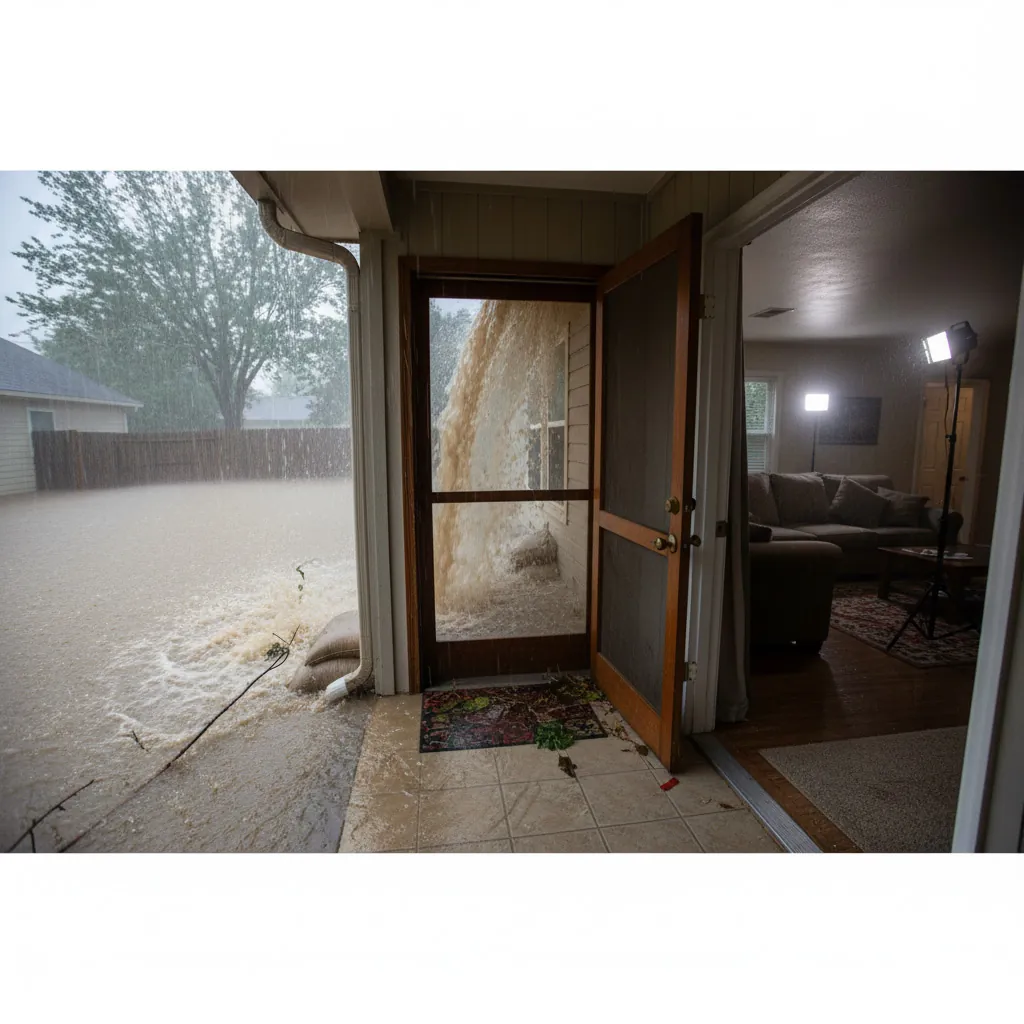


⚡ TL;DR: This educational guide explores why professional water extraction services are essential for Winona County homeowners, helping you prevent structural damage and mold growth after unexpected water intrusion events.
📋 What You’ll Learn
Handling water damage in Winona County requires precision and local insight. This guide reveals the truth about professional extraction services and explains why rapid, industrial response is essential for property protection.
- Master the science of moisture to understand why simple fans and household dehumidifiers often fail to reach hidden water trapped deep within your Winona home structure during flooding.
- Evaluate industrial-grade extraction tools that professionals use to pull water from carpets and floorboards before moisture leads to warping, structural rot, or expensive permanent property damage repairs.
- Prioritize rapid response timelines to stop secondary damage like mold growth and bacterial contamination that frequently plagues local basements when water removal is delayed by even a few hours.
- Simplify complex insurance claims by learning how to properly document water damage and work with restoration experts to ensure your recovery process is both efficient and financially sound.
📖 Reading time: 7 min
✍️ Author expertise: Certified water restoration specialist with over a decade of field experience in Winona.
One broken pipe in your Winona County basement at 3:00 AM can cost you tens of thousands of dollars if you wait even a few hours to act. Most homeowners mistakenly believe that a shop vacuum and a box fan are enough to stop the rot, but they are dead wrong.
The reality is that moisture hides in places your eyes cannot see, turning your property into a breeding ground for toxic mold long before the carpet feels dry. Ignoring the hidden pockets of water under your floorboards is a gamble you are guaranteed to lose.
If you want to protect your home from permanent structural damage and avoid a catastrophic insurance claim denial, you need to understand exactly what happens during professional water extraction. Read on to discover the specific steps that keep your home standing strong against the unpredictable Minnesota elements.
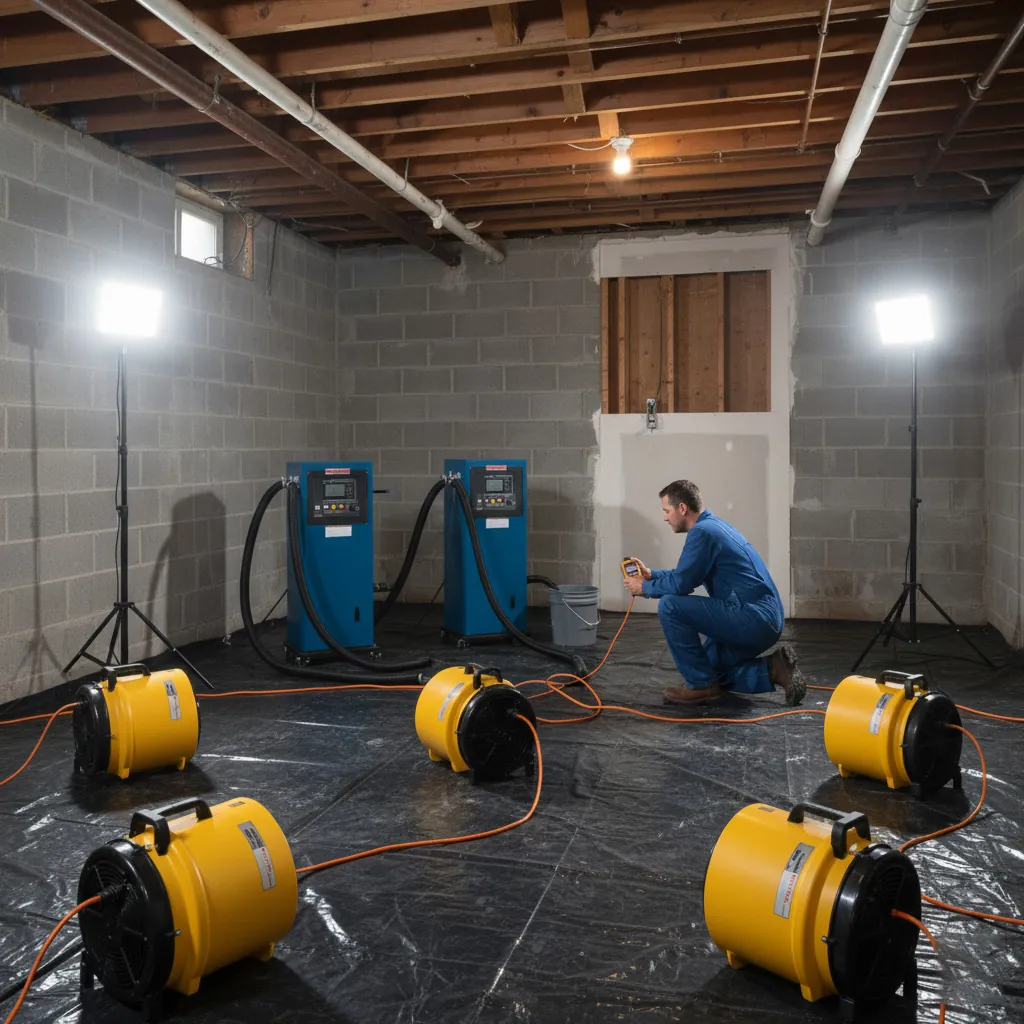
The Science of Hidden Moisture: Why DIY Drying Fails in Minnesota
Most Winona County homeowners think that if the carpet surface feels dry to the touch, the job is finished. This is the most dangerous assumption you can make after a pipe burst or basement flood.
Water does not just sit on top of your flooring. It obeys gravity and capillary action, soaking deep into subfloors, drywall backing, and wall studs.
Minnesota basements are notorious for their humidity levels. When you try to dry a space with nothing but a box fan, you are essentially just moving damp air around rather than removing moisture from your property.
Here is why DIY attempts fall short every single time:
- Household vacuums are designed for dust, not hundreds of gallons of standing water.
- Box fans increase airflow without lowering the dew point, which actually accelerates mold spore growth.
- Hidden pockets of moisture trapped behind baseboards will continue to decay organic materials regardless of how dry the surface looks.
Physics is working against you the moment water enters your structure. Unless you have the equipment to manipulate the humidity of the air itself, you are simply waiting for the inevitable smell of mildew to take over your home.
Professional restoration requires more than just a towel and a fan. It requires a deep understanding of vapor pressure and psychrometry, which is the study of how water interacts with air in closed environments.
When you ignore these scientific realities, you aren't just leaving a mess. You are inviting permanent structural rot to eat away at your investment from the inside out.
Industrial-Grade Extraction: The Equipment Behind Professional Restoration
When your Winona home floods, household tools are essentially glorified toys. A standard shop vacuum lacks the suction power to pull moisture out of dense padding or subflooring, while a floor fan just pushes stagnant air across a damp surface.
Professional restoration relies on truck-mounted extraction units that generate massive amounts of lift. These machines exert vacuum pressure strong enough to pull water through layers of carpet and padding, reaching deep into the structural foundation where rot begins.
Key Tools for Total Moisture Removal
- High-Pressure Extraction Wands: These tools provide direct, focused suction to pull liquid from deep inside floor materials.
- Industrial Dehumidifiers: Unlike consumer-grade units, these machines pull gallons of water vapor from the air to bring humidity down to safe levels.
- Air Movers: These are strategically placed to create high-velocity airflow, forcing water trapped in porous materials to evaporate rapidly.
- Moisture Sensors and Thermal Cameras: We do not guess where water hides; these tools pinpoint hidden pockets inside your walls so we can target them directly.
Speed is the only way to stop secondary damage from taking hold. Once our equipment arrives, we set up a precise drying environment that forces trapped water out of your building materials before the wood swells or mold spores start their destructive cycle. Relying on professional-grade gear is the difference between a quick, dry recovery and a multi-month renovation nightmare.
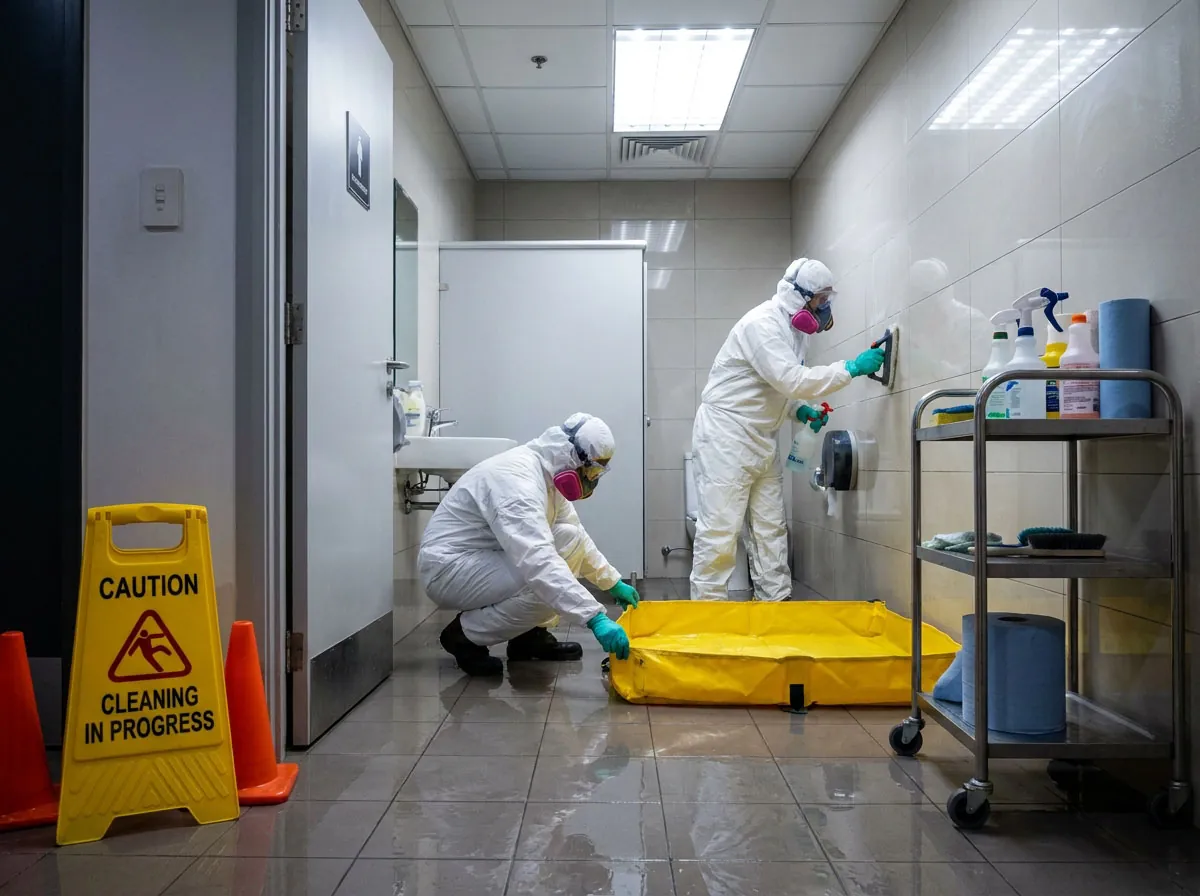
The Critical Timeline: How Rapid Response Prevents Secondary Damage
When water invades your Winona County home, the clock starts ticking the moment the pipe bursts or the storm surge hits. You have a very narrow window, usually between 24 and 48 hours, before the situation shifts from a simple cleanup to a full scale structural nightmare.
Microorganisms thrive in moist, dark environments. If you wait, you are not just drying a floor; you are paying for an incubation chamber for mold and bacteria. Once these spores take root in your drywall or insulation, the cost of repair multiplies exponentially.
Taking immediate action prevents the water from migrating into areas you cannot see. Our goal is to stop the damage at the source before it reaches these critical stages:
- Within 1 hour: Water saturates carpet padding and begins wicking into baseboards.
- Within 24 hours: Drywall begins to soften and paint starts to blister.
- Within 48 hours: Mold colonies begin to germinate on organic materials.
- Beyond 72 hours: You face potential structural rot and permanent microbial contamination.
Professional extraction teams do not just show up to mop the floor. We arrive with high-velocity air movers and dehumidification systems designed to pull moisture out of the air and the materials themselves. By hitting these time markers, we keep your home safe and stop the spread of damage before it destroys your equity.
A Comparative Table of DIY Drying Methods Versus Professional Extraction
You might think grabbing a shop vacuum and pointing a fan at the carpet saves money, but you are actually setting the stage for a much larger bill later. Home tools lack the suction pressure to reach moisture trapped beneath subflooring or inside wall cavities. When water remains stagnant in these hidden gaps, it begins to rot structural materials from the inside out.
| Feature | DIY Approach | Professional Extraction |
|---|---|---|
| Suction Power | Low (Surface level) | High (Deep penetration) |
| Moisture Detection | Visual inspection only | Thermal imaging and moisture meters |
| Drying Speed | Days or weeks | Hours |
| Mold Risk | High (Trapped humidity) | Minimal (Controlled environment) |
Professional restoration teams deploy heavy-duty truck-mounted units that pull gallons of water out of padding and joists in seconds. This isn't just about moving air; it is about physically removing the liquid that causes decay. If you leave that moisture behind, you are essentially paying for a mold colony to grow in your living room.
Choosing the DIY route often feels like a shortcut until the structural damage sets in. Professionals track humidity levels to ensure the property is bone dry before equipment is removed. Using household fans often spreads mold spores through your ventilation system, turning a localized puddle into a house-wide health hazard.
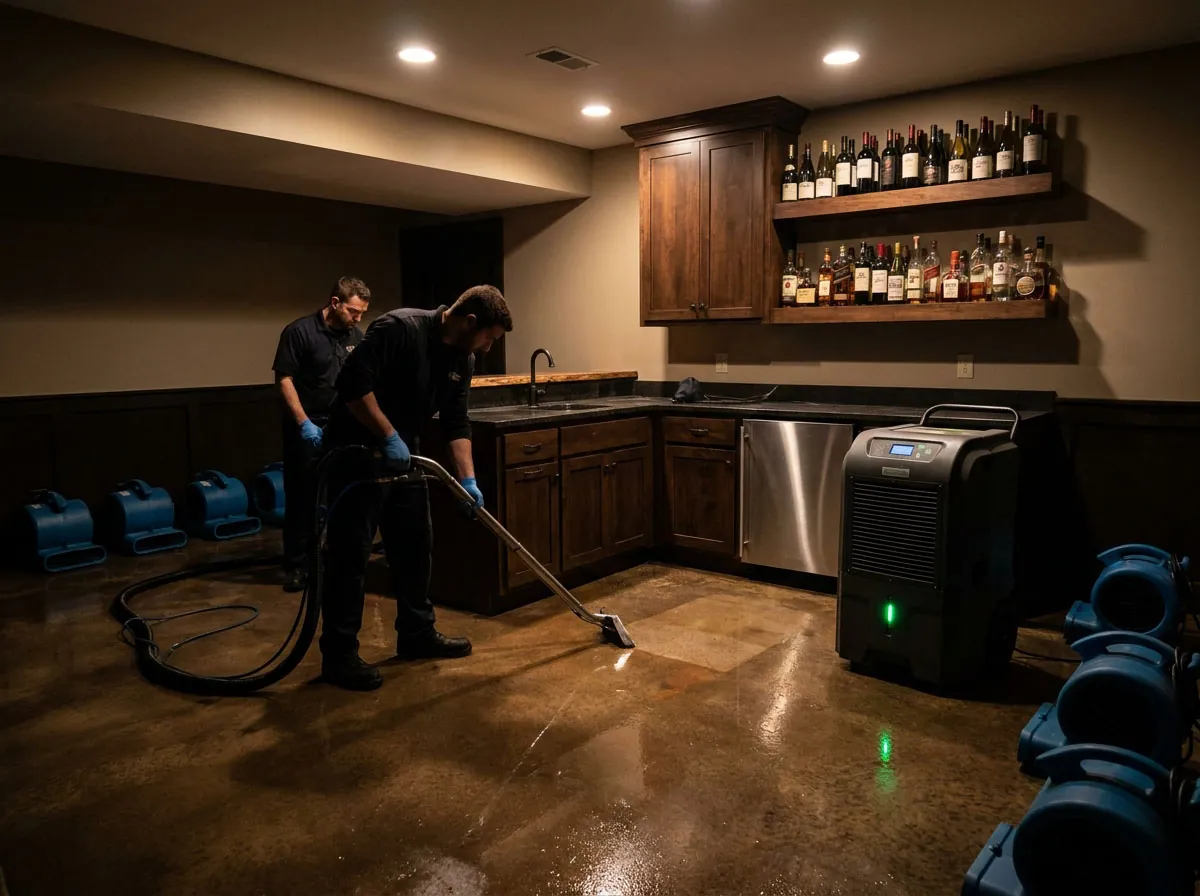
Lessons from a Winona County Basement: A Successful Mold Prevention Case Study
Last winter, a homeowner in Winona faced a nightmare scenario when a sub-pump failed during a heavy thaw. By the time they discovered the basement flooding, the water had already seeped under the vinyl plank flooring and into the drywall. The homeowner initially tried to soak it up with towels and a household wet-dry vac, thinking they had caught it early.
They called us just in time to stop a total disaster. When we arrived, our moisture mapping tools revealed that the subfloor was already holding twenty percent more water than the building materials could safely manage. We had to act fast to prevent the silent spread of mold that usually kicks in within forty-eight hours of exposure.
Our team implemented a precise extraction plan to save the property:
- We used industrial-grade suction to pull water from beneath the baseboards.
- We injected high-velocity air into the wall cavities to dry them from the inside out.
- We treated the exposed wood studs with antimicrobial agents to kill any latent spores.
- We monitored the humidity levels daily until the structure returned to its equilibrium moisture content.
The result was clear. Because we intervened before the rot set in, we saved the family thousands in reconstruction costs. They avoided the health hazards associated with airborne mold and kept their home value intact. Proactive extraction is not just a cleaning service; it is a vital insurance policy for your foundation.
Insurance Claims and Documentation for Water Damage
Filing an insurance claim after a flood is not just about reporting the damage; it is about proving the extent of your loss with undeniable evidence. Most Minnesota homeowners lose thousands because they fail to document the incident before they start moving items around.
Your insurance adjuster needs more than just a vague story about a leak. They require a paper trail that tracks the path of the water and the professional steps taken to fix it. Without this data, you risk having your entire claim rejected based on insufficient proof of loss.
The Paper Trail You Must Create
Start by treating your home like a crime scene. You need to capture every detail before, during, and after the cleanup process begins.
- Take high resolution photos of the original water source before touching anything.
- Record a video walk through that shows the scope of the standing water.
- Keep a log of every conversation you have with your insurance provider.
- Request a moisture mapping report from your restoration team to prove hidden damage.
Working with a professional water extraction team in Winona County actually helps your claim. Experienced restorers provide the precise documentation and moisture readings that adjusters crave. When an expert submits a report confirming that professional extraction was the only way to prevent structural rot, the insurance company is far less likely to challenge your payout.
Final Words
When water strikes your Winona County home, every passing minute is an expensive gamble with your property's integrity. You cannot wait for the basement to dry on its own while mold spores silently colonize your drywall and floor joists.
If you find yourself standing in a puddle, stop the guesswork and reach out for professional help immediately. Reliable Water Extraction Services are the difference between a minor cleanup and a total structural rebuild.
Protecting Your Investment
Homeownership in Minnesota comes with unique risks, but you do not have to face them without a plan. Keep these three realities in mind to secure your home:
- Moisture behaves like a liquid thief, traveling through studs and insulation where you cannot reach it.
- Insurance companies often deny claims if they prove you neglected the initial water intrusion.
- Professional extraction equipment is not an option; it is a necessity to stop rot before it starts.
Your goal is to restore your home to its original, healthy state without cutting corners. Do not let a single pipe failure define the future of your property value.
People Also Ask
Is DIY water extraction effective for basement flooding in Winona County?
DIY methods like household vacuums and fans are often insufficient because they cannot reach deep into building materials. Moisture trapped in subfloors and drywall frequently leads to long term structural decay and significant mold growth.Why is rapid water extraction important for my home?
Water damage progresses quickly, often causing secondary issues like rot and electrical hazards within just 24 to 48 hours. Professional extraction stops these problems before they escalate into expensive renovation projects.How do I know if my home has hidden moisture after a leak?
If you notice musty odors or damp spots on walls, you likely have trapped water behind your surfaces. You can learn more about identifying [ mold risks ] through official environmental guidelines to protect your indoor air quality.What equipment do professionals use for water extraction?
Restoration experts use industrial grade truck mounted extraction units and high capacity dehumidifiers that move hundreds of cubic feet of air per minute. This professional grade hardware is designed to draw out moisture from deep within carpets, padding, and concrete foundations.Will my insurance cover professional water extraction services?
Most homeowner policies cover water damage caused by sudden and accidental events like burst pipes or appliance failures. It is essential to document all damage immediately and contact your provider to confirm the specifics of your coverage.Need Water Damage Restoration Services?
One call connects you with a licensed restoration contractor working in Winona County, 24 hours a day. Coverage runs from the Mississippi flats through the bluff communities to the upland farm country: ZIP 55987, 55910, 55952, 55959, 55969, 55972 and 55988.
Water damage compounds by the hour. Mold takes hold in porous material within 24 to 48 hours, so the difference between a drying job and a rebuild is usually how fast someone gets there. The referral is free and carries no obligation.
Request Damage Estimate
Winona County Water Damage Restoration is a 24 hour dispatch service for water, flood, mold, fire and sewage emergencies across Winona County, Minnesota. One call routes your job to a licensed local restoration contractor covering ZIP 55987, 55910, 55952, 55959, 55969, 55972 and 55988.
These guides are written for property owners in this county specifically, drawing on how water actually behaves here: the sandbar ground under Winona, the karst bedrock on the uplands, and the bluff creeks that flooded Stockton and Minnesota City in August 2007. Work is performed by IICRC certified, BBB accredited contractors to the ANSI approved IICRC S500 and S520 standards.