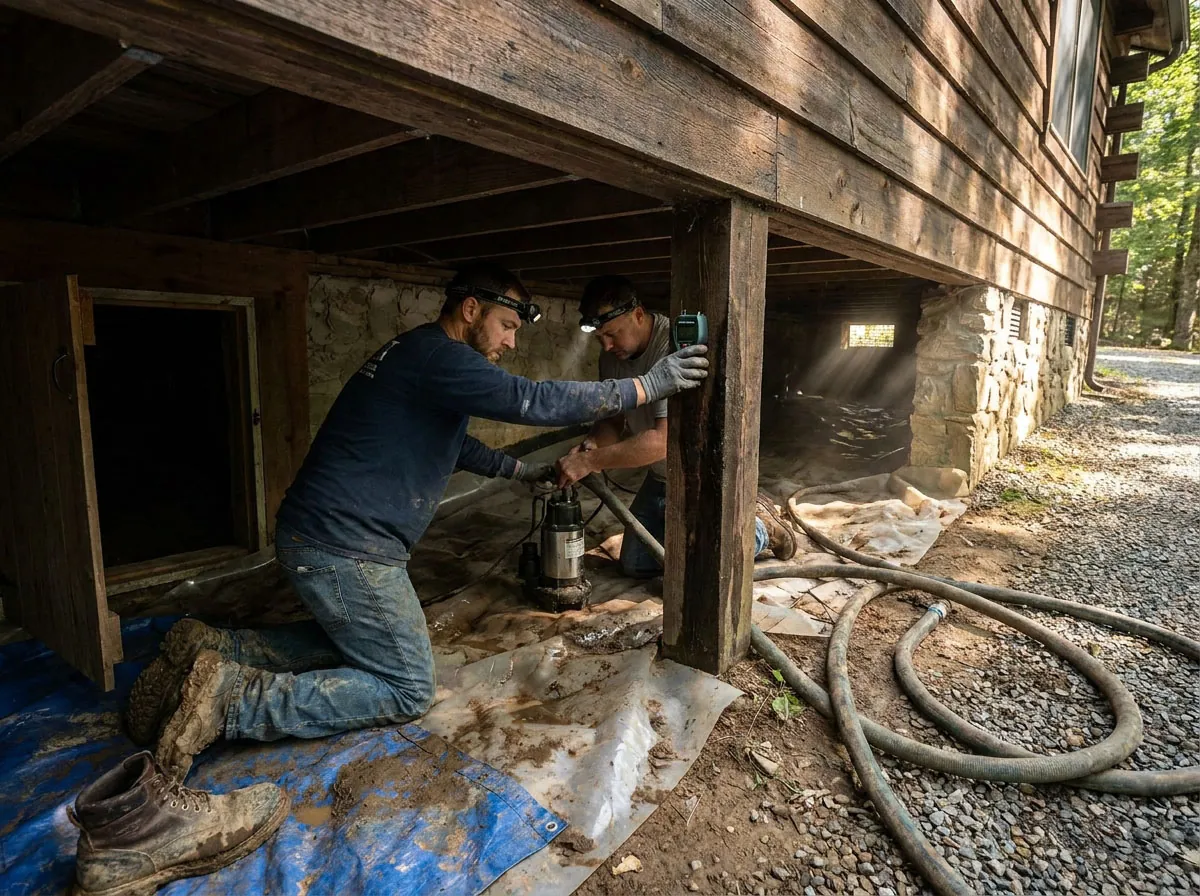


⚡ TL;DR: Homeowners in Winona can protect their property value and indoor air quality by following consistent maintenance habits to prevent moisture issues or seeking professional mold remediation when necessary.
📋 What You’ll Learn
Protecting your Winona property from mold requires consistent vigilance. This guide offers practical strategies for local homeowners to manage humidity, stop fungal growth, and preserve your investment through proactive daily habits.
- Master humidity control techniques to neutralize excess moisture in your living spaces, preventing the specific conditions that allow mold spores to thrive in our unique Minnesota river climate.
- Locate hidden moisture hotspots within your home by learning how to inspect common problem areas like basements and crawl spaces before a small issue becomes an expensive renovation.
- Use our maintenance checklist to establish a routine that keeps your indoor air quality high and discourages mold development throughout the changing seasons in Winona County.
- Evaluate your remediation needs by understanding when a simple cleaning task is sufficient and when you must call in local professionals to handle severe structural mold damage.
📖 Reading time: 7 min
✍️ Author expertise: Certified water damage restoration expert with fifteen years cleaning basements in Winona County.
You wake up in your Winona home, take a deep breath, and realize your sinuses aren't the only thing struggling; the air just feels heavy and sour. That faint, musty smell lurking in the basement or behind your drywall is not just a nuisance, it is a silent thief actively eating away at your property value and your family’s health.
Most homeowners in Winona County ignore the early warning signs until a minor patch of discoloration turns into a massive, expensive structural nightmare. Smart local owners know the game is rigged against those who wait, so they follow a specific set of daily habits to starve mold before it ever gets a foothold.
If you want to stop the rot and protect your biggest investment without throwing money down the drain, here is how the pros keep their homes safe and dry.
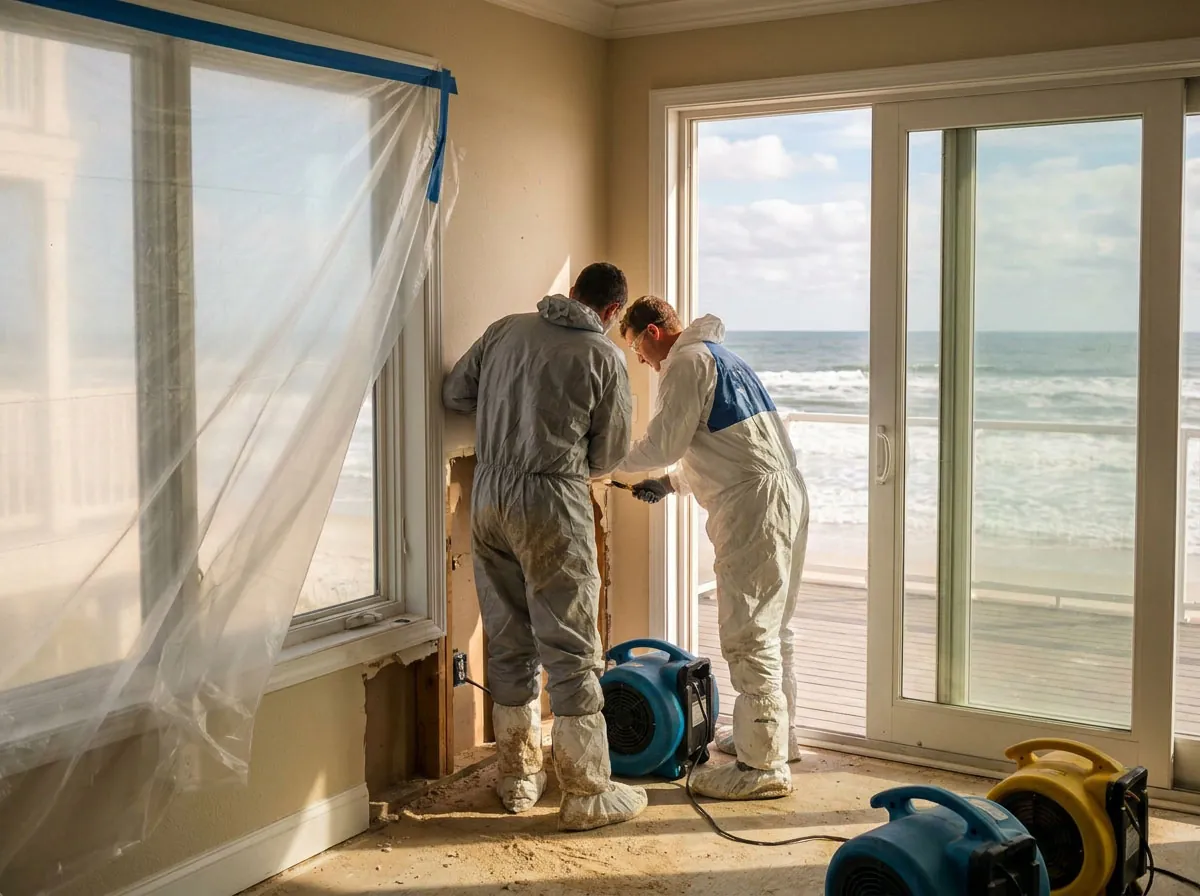
Essential Daily Habits to Neutralize Humidity in Your Winona Home
Winona weather is a rollercoaster of humidity, and your house is the primary battleground. If you leave moisture unchecked, you are essentially hanging a welcome sign for mold spores. Smart homeowners treat humidity control like a daily hygiene routine, not an occasional chore.
Start by rethinking how you manage airflow. If you run your shower or boil water on the stove, you are pumping gallons of water vapor into your living space. Always run your exhaust fans for at least twenty minutes after the steam clears, or crack a window if the outdoor air is drier.
Here are the quick, non-negotiable habits that keep Winona homes dry:
- Empty your dehumidifier bucket every single morning before your first cup of coffee.
- Keep interior doors open to encourage air circulation through stagnant corners.
- Check under your sinks for slow drips that create hidden micro-climates for fungal growth.
- Wipe down condensation on cold window panes during those chilly Minnesota mornings.
These tiny habits cost nothing, yet they save you thousands in future remediation costs. Think of it as a defensive shield for your drywall and floorboards. If you wait until you smell that musty funk, the mold has already won the first round.
Identifying the Hidden Hotspots Where Mold Breeds in Minnesota Climates
In Winona, our seasonal shift from humid summers to frigid winters creates the perfect recipe for moisture entrapment. Mold doesn't need much to thrive; it only needs a damp surface and a bit of organic material to set up shop.
Most people look at their walls and think they are safe, but the real threats are often invisible. You need to focus your inspection on areas where temperature differences cause condensation to form behind the scenes.
The Primary Culprits in Your Home
Start your search in these specific zones where water tends to linger:
- The space behind heavy furniture pushed against exterior walls.
- Underneath kitchen and bathroom sinks where slow plumbing leaks go unnoticed.
- Inside your crawl space or basement corners near the foundation footer.
- Around window sills where frost melt from the winter creates hidden puddles.
The cold spots in your home are the biggest danger zones. When warm, humid air hits a frigid wall surface, it turns into liquid water. This process, known as condensation, creates a steady supply of moisture that feeds mold colonies 24/7. Keep an eye on your drywall, especially in closets or storage rooms that rarely get fresh airflow.
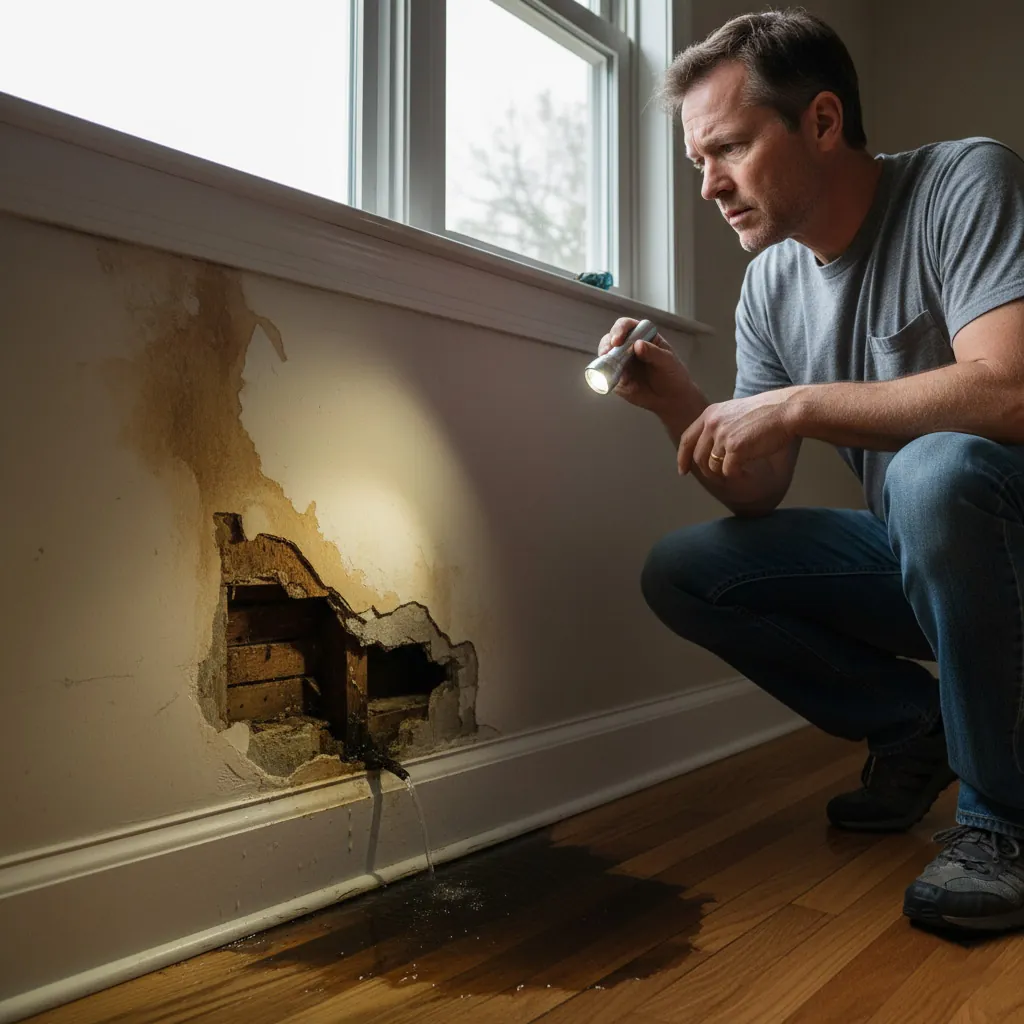
Proactive Table: Checklist of Maintenance Tasks to Prevent Spore Growth
Most Winona homeowners wait until they see a fuzzy black spot before they take action. That is exactly how mold wins. If you want to keep your home healthy, you have to treat maintenance like a mission-critical operation.
| Location | Task | Frequency |
|---|---|---|
| Basement | Check Dehumidifier Tank | Daily |
| Kitchen/Bath | Run Exhaust Fans | Every Use |
| Attic | Inspect Roof Vents | Monthly |
| Laundry Room | Clean Lint Traps | Every Load |
| Windows | Wipe Condensation | Weekly |
Consistency is the only thing that keeps spores from taking root. Use this checklist as your tactical blueprint to starve mold before it starts growing. If you miss a week, the moisture levels can climb, giving mold the perfect invite to your living room walls.
Keep these specific areas on your radar to stop growth cold:
- Inspect basement floor drains to ensure they are free of debris.
- Clear out gutters so water moves away from your foundation instead of pooling against it.
- Monitor your humidity levels; stay under 50% to prevent spores from activating.
- Check underneath every sink for small, slow drips that go unnoticed for months.
Your home is a system. When one part of that system gets damp, the whole house pays the price. Take control now, or pay a restoration crew later to do it for you.
Real-World Restoration: A Case Study of a Local Winona Basement Recovery
Last autumn, a family near Lake Winona called us because they noticed a persistent damp smell whenever they walked down to their basement laundry area. They had ignored a minor roof leak earlier in the season, assuming it would just dry out on its own after a few sunny weeks.
By the time we arrived, the situation was far worse than a simple surface wipe could handle. The moisture had migrated behind the drywall and into the floor joists, creating an extensive mold colony that had been feeding on organic materials for months.
We had to perform a full-scale containment to stop the spores from circulating through the rest of their home. This case highlights why speed is your greatest asset in Winona; waiting even a few extra weeks turned a minor containment project into a structural reconstruction.
Lessons from the Basement Breakdown
- The leak originated from a faulty gutter extension that poured water directly against the foundation wall.
- Once inside, the moisture wicked into the drywall and soaked the insulation.
- The basement lacked proper air circulation, which created a perfect breeding ground for Aspergillus and other common indoor molds.
When we opened the wall cavity, we found that the wood framing was already showing signs of rot. We had to remove all porous materials within a four-foot radius of the growth to ensure the mold was completely eradicated. This is exactly why professional intervention is required once the contamination spreads beyond a small, isolated surface area.
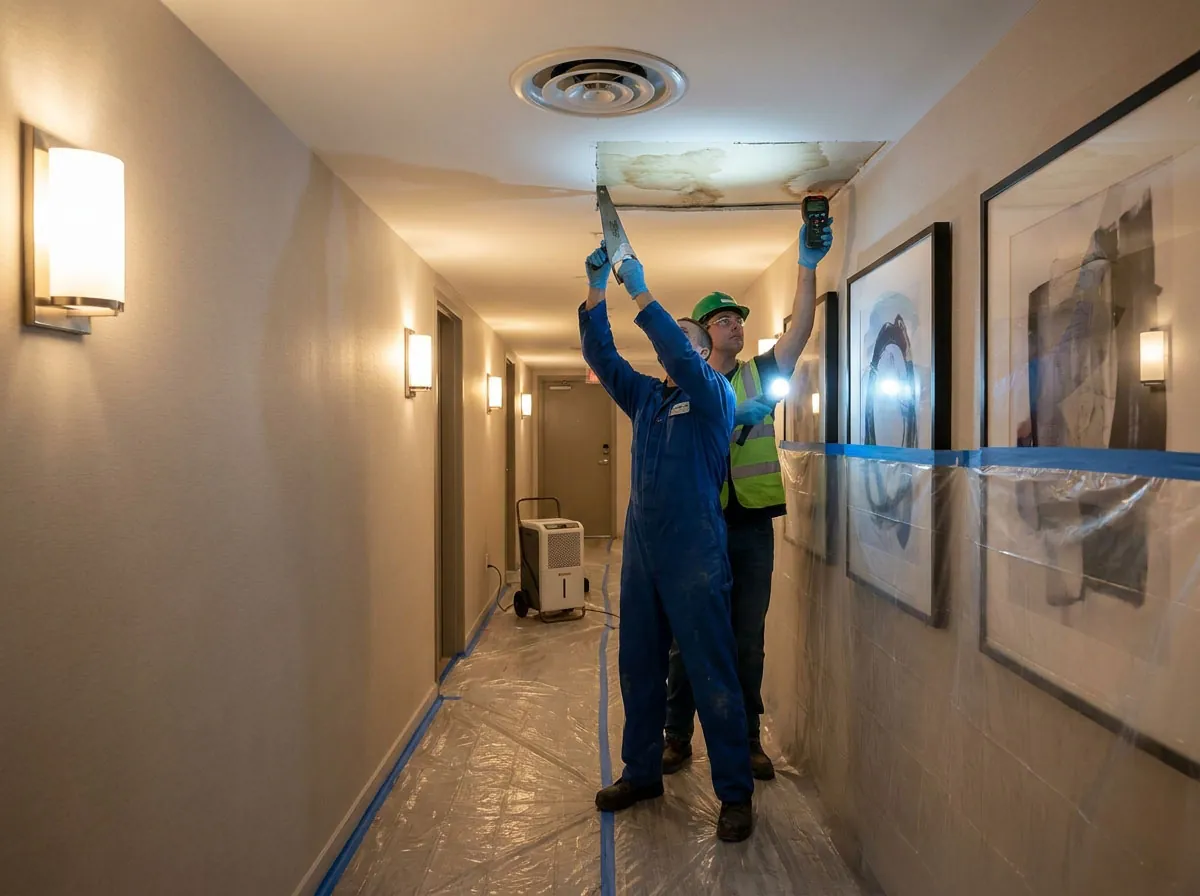
When DIY Isn't Enough: Determining the Scope of Professional Remediation
You might be tempted to grab a spray bottle and a scrub brush the moment you spot a dark spot on your basement wall. While simple surface cleaning works for tiny, isolated patches caused by a recent spill, mold is rarely just what meets the eye. If the colony spans more than ten square feet, or if the growth is tucked away inside your HVAC ductwork, you are dealing with an infestation that requires industrial-grade containment.
Attempting to scrub deep-seated mold without proper equipment often backfires. You end up launching millions of toxic spores into the air, effectively spreading the problem to every room in your home. Professional remediation is not just about cleaning; it is about controlled extraction and ensuring the root cause is dead.
How do you know when it is time to call in the experts? Look for these specific red flags that indicate a DIY attempt will likely fail:
- The mold keeps returning in the exact same spot within weeks of cleaning.
- You detect a strong, earthy odor even after scrubbing visible surfaces.
- The growth has compromised porous materials like drywall, insulation, or carpet padding.
- You or your family members start experiencing sudden respiratory issues or headaches while indoors.
- The moisture source is hidden, such as a slow pipe leak behind a finished wall or a crack in the foundation.
When you hire professionals, you are paying for more than just muscle. You are buying peace of mind through advanced testing and structural drying. We use moisture mapping technology to find hidden pockets of dampness that would remain invisible to the naked eye. Once the moisture is gone and the area is sanitized with HEPA filtration, your home returns to being a healthy sanctuary rather than a breeding ground for spores.
Protecting Your Property Value Through Strategic Air Quality Management
Your Winona property is likely your largest financial asset, yet mold acts like a parasite that drains its equity every single day it goes unchecked. When moisture lingers, it compromises structural beams, ruins drywall, and leaves behind a permanent, pungent scent that scares off prospective buyers during an appraisal.
Think of air quality management as a financial insurance policy for your home. By keeping your indoor air circulating and dry, you ensure the integrity of your walls and floors remains rock solid for years to come.
Follow these core strategies to maintain a healthy home environment that protects your investment:
- Run high-quality dehumidifiers in basements and crawlspaces during humid Minnesota summers.
- Install bathroom exhaust fans that actually vent air outside instead of just into your attic.
- Replace HVAC filters every ninety days to trap airborne spores before they settle on organic surfaces.
- Use a digital hygrometer to keep your indoor humidity levels consistently below fifty percent.
Strategic air management is not just about health; it is about stopping the slow decay of your home. Proactive homeowners know that a dry home is a valuable home, while those who ignore air quality eventually pay the price when it comes time to sell.
Final Words
Staying ahead of mold in Winona County comes down to one simple truth; water is the enemy that never sleeps. If you catch moisture early, you win the battle for free by grabbing a towel or adjusting a dehumidifier.
When you wait, the spores win. That is exactly why we advise you to treat every musty scent like a fire alarm in your home.
If you find that your basement has become a breeding ground despite your best efforts, do not panic. Professional Mold Remediation is your insurance policy against long term damage to your lungs and your bank account.
The Pro Mindset for Home Health
Keep these non-negotiable rules at the front of your mind to maintain a dry, healthy house:
- Check your sump pump rhythm every time the spring thaw hits our region.
- Monitor your humidity levels; anything above 50% is an open invitation for growth.
- Inspect the seals around your windows and doors at least twice a year.
- Trust your nose; if it smells funky, start investigating the source immediately.
You work too hard to let a fungus destroy your property. Take the proactive steps outlined here and stop the rot before it starts.
People Also Ask
How quickly does mold grow in Minnesota homes after water damage?
Mold can begin to colonize within 24 to 48 hours of a water event if conditions remain damp. Quick action is essential to prevent significant structural damage and health risks in your Winona property.What is the recommended indoor humidity level to prevent mold?
Keeping your home humidity between 30 and 50 percent is the best way to discourage mold growth. You can monitor these levels easily with an affordable hygrometer from any hardware store.How do I know if I have a hidden mold problem in my house?
Common indicators include a musty odor, visible dark spots on walls, or recurring allergy symptoms while indoors. According to the EPA guidelines, you should address any water moisture issues immediately to prevent extensive mold colonization.Does homeowners insurance cover mold remediation in Winona County?
Coverage depends entirely on whether the mold resulted from a sudden, accidental water leak or long term neglect. Most standard policies exclude mold damage caused by flooding or maintenance issues, so check your specific plan for details.Can I clean up a mold infestation myself?
You can safely clean small, isolated patches of mold on hard surfaces using household cleaners. If the affected area is larger than 10 square feet or caused by sewage, you must hire professional restoration services to ensure safety.Need Water Damage Restoration Services?
One call connects you with a licensed restoration contractor working in Winona County, 24 hours a day. Coverage runs from the Mississippi flats through the bluff communities to the upland farm country: ZIP 55987, 55910, 55952, 55959, 55969, 55972 and 55988.
Water damage compounds by the hour. Mold takes hold in porous material within 24 to 48 hours, so the difference between a drying job and a rebuild is usually how fast someone gets there. The referral is free and carries no obligation.
Request Damage Estimate
Winona County Water Damage Restoration is a 24 hour dispatch service for water, flood, mold, fire and sewage emergencies across Winona County, Minnesota. One call routes your job to a licensed local restoration contractor covering ZIP 55987, 55910, 55952, 55959, 55969, 55972 and 55988.
These guides are written for property owners in this county specifically, drawing on how water actually behaves here: the sandbar ground under Winona, the karst bedrock on the uplands, and the bluff creeks that flooded Stockton and Minnesota City in August 2007. Work is performed by IICRC certified, BBB accredited contractors to the ANSI approved IICRC S500 and S520 standards.