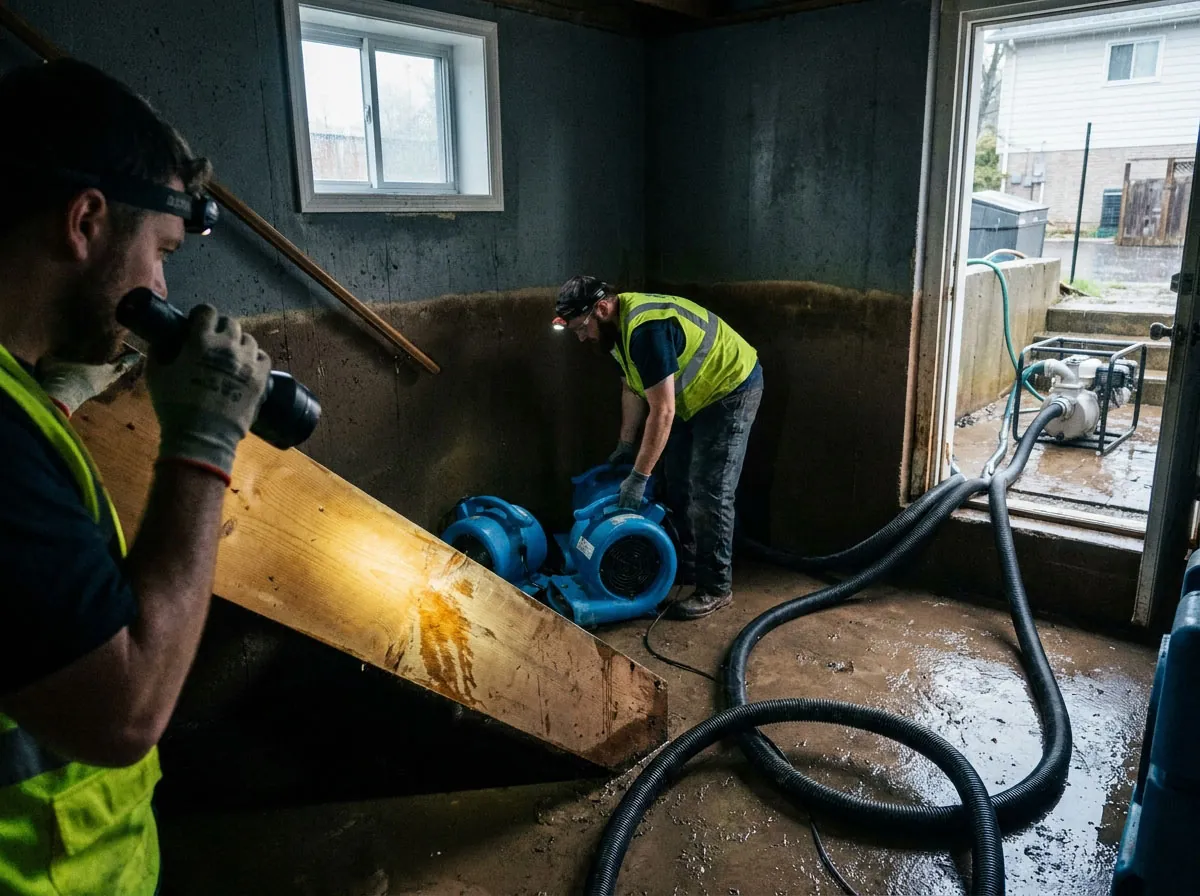


⚡ TL;DR: This guide educates Winona homeowners about the complex dangers of soot and structural instability, highlighting why professional fire damage restoration is essential for a safe property recovery.
📋 What You’ll Learn
Handling fire damage in Winona requires more than basic cleanup. This guide explores the invisible hazards within your walls and outlines the essential steps for restoring safety to your local home.
- Understand the complex chemistry of soot to realize why simple dusting is ineffective at removing toxic acidic residues that continue to corrode your property surfaces long after the fire.
- Identify hidden structural damage risks that linger behind your drywall, allowing you to spot potential collapses or instability before they become catastrophic threats to your family and your home.
- Recognize the dangers of toxic off-gassing by learning how to detect lingering smoke particles and hazardous chemical vapors that compromise indoor air quality and threaten your long-term physical health.
- Follow our critical restoration milestones to ensure that your recovery process stays on schedule, preventing common setbacks that often delay families from returning to their Winona area residences.
- Select qualified restoration experts wisely by comparing professional remediation standards against risky DIY methods to ensure your home is fully sanitized and structurally sound for future occupancy.
📖 Reading time: 8 min
✍️ Author expertise: Certified restoration specialist with decades of field experience handling fire damage in Winona.
You survived the blaze and the firefighters have packed up their gear, but your biggest battle is just getting started. The true nightmare isn't just the charred walls you can see; it is the silent, toxic decay creeping through your home right now.
Most homeowners in Winona breathe a sigh of relief once the flames die out, totally unaware that the air they are breathing is now a chemical cocktail. If you do not act with surgical precision in these first few hours, you are leaving the door wide open for long-term health hazards and structural collapse.
Let’s pull back the curtain on the invisible threats lurking in your rafters and floorboards so you can stop the silent destruction before it costs you everything.
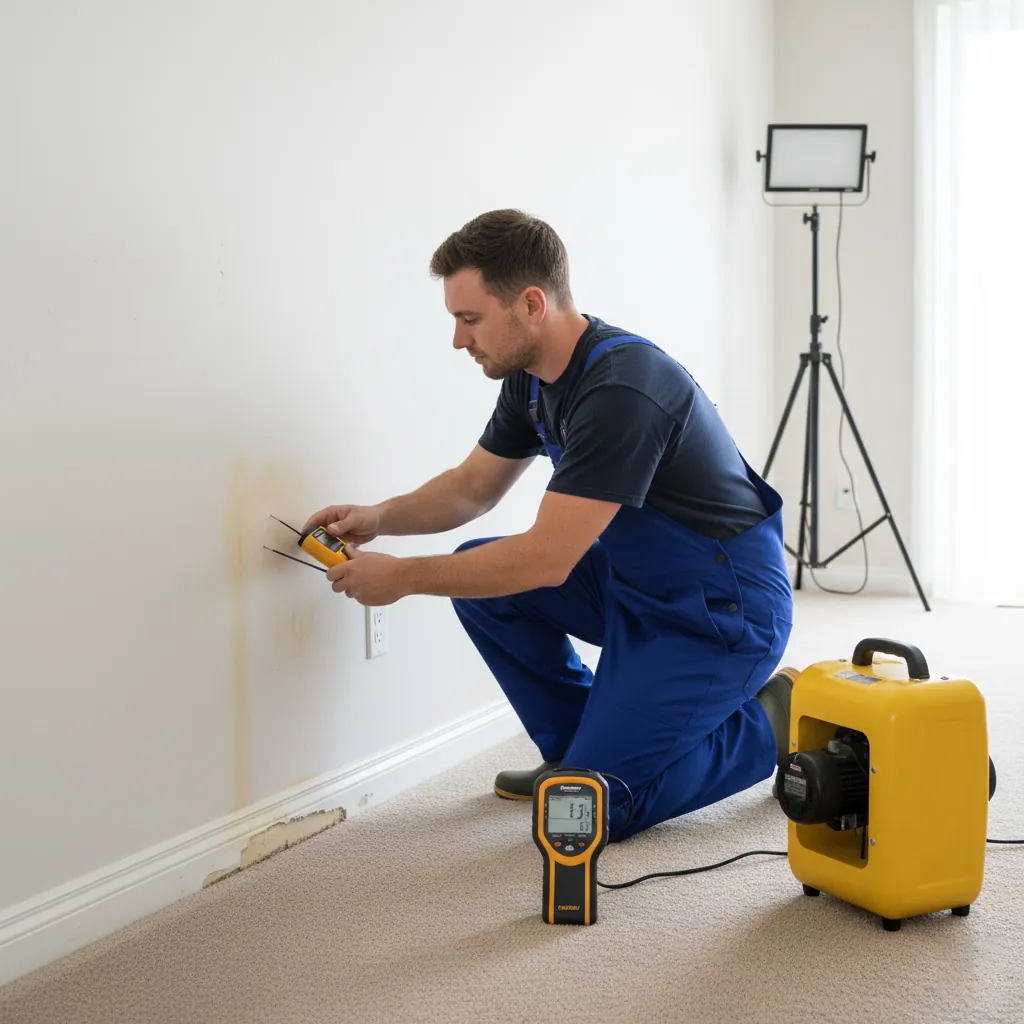
The Chemistry of Combustion: Why Soot is More Than Just Ash
Most folks in Winona see a layer of gray dust and assume it is just harmless ash from a fireplace. That is a dangerous mistake. In modern homes, fire is a chemical reaction that consumes plastics, synthetic fibers, and treated wood, creating a complex, sticky residue that is far more toxic than natural charcoal.
When synthetic materials burn, they release acidic soot particles that act like microscopic sandpaper. These particles do not just sit on your surfaces; they aggressively etch into metals, finish on cabinets, and fabrics. If you leave this residue for even a few days, that chemical etching becomes permanent.
The Real Dangers of Residual Soot
- Corrosion: The acidic nature of soot eats through brass, chrome, and aluminum in your kitchen and bathroom fixtures.
- Staining: Synthetic soot is oily, meaning it will smear rather than sweep away, driving toxins deeper into your upholstery.
- Invisibility: Some soot particles are invisible to the naked eye but remain present in the air, waiting to be inhaled into your lungs.
You cannot simply wipe this mess away with standard household cleaners. Doing so often spreads the oily film deeper into the pores of your walls and floors. Professional restoration requires specialized chemical sponges and industrial grade detergents to lift the soot rather than grind it in.
Structural Integrity Risks Hiding Behind Your Drywall
Most people look at a fire-damaged home and see cosmetic repairs like painting or hanging new curtains. The reality is that the true structural threats are often invisible, hiding inside your wall cavities and behind your drywall panels.
When high heat hits your home, the structural framing and electrical systems undergo unseen trauma. Wood studs can lose their load-bearing capacity, and electrical wiring insulation often melts, creating a silent fire hazard that could spark a secondary catastrophe long after the fire department leaves.
You cannot simply patch over these issues. If you ignore the hidden decay, your home may suffer from these specific structural risks:
- Charred support beams that have lost their density and strength.
- Water damage from firefighting efforts that leads to hidden dry rot.
- Compromised metal fasteners and joist hangers that become brittle from intense heat.
- Damaged electrical conduits which create an immediate risk of short circuits or additional fires.
Every minute you wait, moisture and soot work together to weaken your framing. Professional inspection is the only way to confirm if your home remains safe for your family. If the bones of the house are compromised, standard repairs will fail you when you need them most.
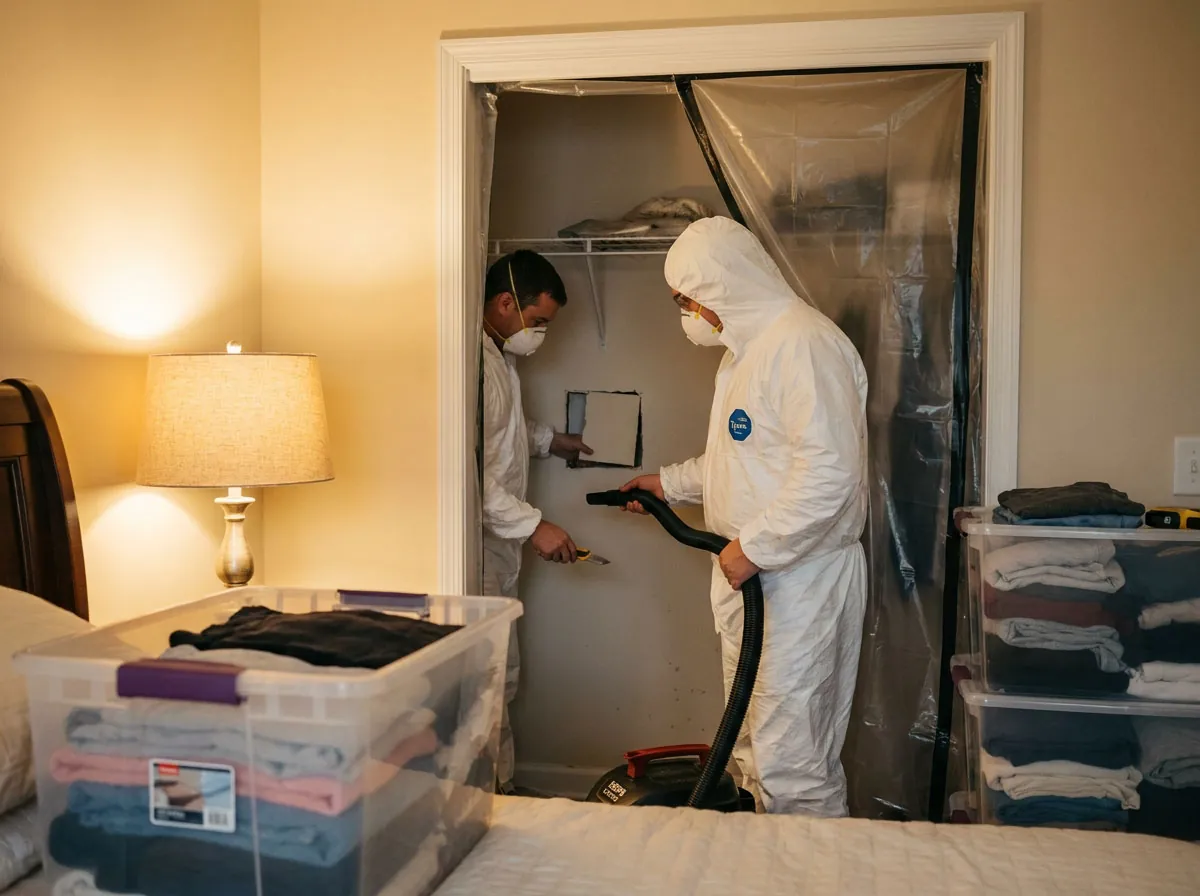
The Hidden Dangers of Lingering Smoke and Toxic Off-Gassing
Once the fire stops, your home becomes a toxic trap. You might smell smoke, but the real threat is the invisible chemical residue clinging to every surface of your Winona property.
When synthetic materials like plastics, carpets, and insulation burn, they release a complex mix of chemicals into the air. This process is called off-gassing, and it continues long after the firefighters leave the scene.
These substances settle into porous materials, turning your walls and furniture into long-term emission sources. If you ignore this, you are essentially living inside a giant chemical sponge.
Recognizing the Invisible Health Risks
The particles left behind are often microscopic and easily inhaled. This is why you should never attempt to clean up without industrial-grade equipment.
- Respiratory Irritation: Persistent coughing and burning sensations in the lungs are common.
- Chemical Sensitivity: Headaches and fatigue often plague families who return home too early.
- Long-term Toxicity: Continued exposure to these VOCs can lead to severe health complications.
- Surface Contamination: Even items that look clean can harbor dangerous chemical layers.
Professional restoration crews use specialized ventilation systems and thermal fogging to neutralize these compounds at a molecular level. Without this level of intervention, the smoke odor will return every time the humidity levels rise in your home. You cannot scrub away toxins that have deeply embedded themselves into your drywall or framing, so stop gambling with your family’s health and call in experts who possess the right technology to clear the air for good.
Rapid Response: A Chronological Table of Critical Restoration Milestones
When fire strikes your Winona home, time is not your friend. The first few hours determine whether you are dealing with a simple cleaning job or a massive, multi-month rebuild project.
| Time Elapsed | Critical Action Needed |
|---|---|
| 0-24 Hours | Emergency boarding and corrosion mitigation. |
| 24-48 Hours | Professional soot removal and dry-out. |
| 3-7 Days | Deep deodorization and HVAC decontamination. |
| 2-4 Weeks | Structural repairs and drywall replacement. |
You must move fast because soot is acidic. As soon as oxygen hits the charred remains, chemical reactions begin eating away at your property, etching into glass, metal, and wood surfaces.
If you wait, permanent damage becomes a guarantee. Professional restoration crews operate on a tight schedule to stop this decay before it takes hold:
- Immediate site stabilization prevents further structural failure.
- Professional deodorization neutralizes toxic particles in the ductwork.
- Proper inventory handling protects your salvageable belongings from further cross-contamination.
Delaying even by a single day can double your repair costs. Do not wait for your insurance adjuster to call before securing the building. You have to stop the clock on the chemical damage right now.
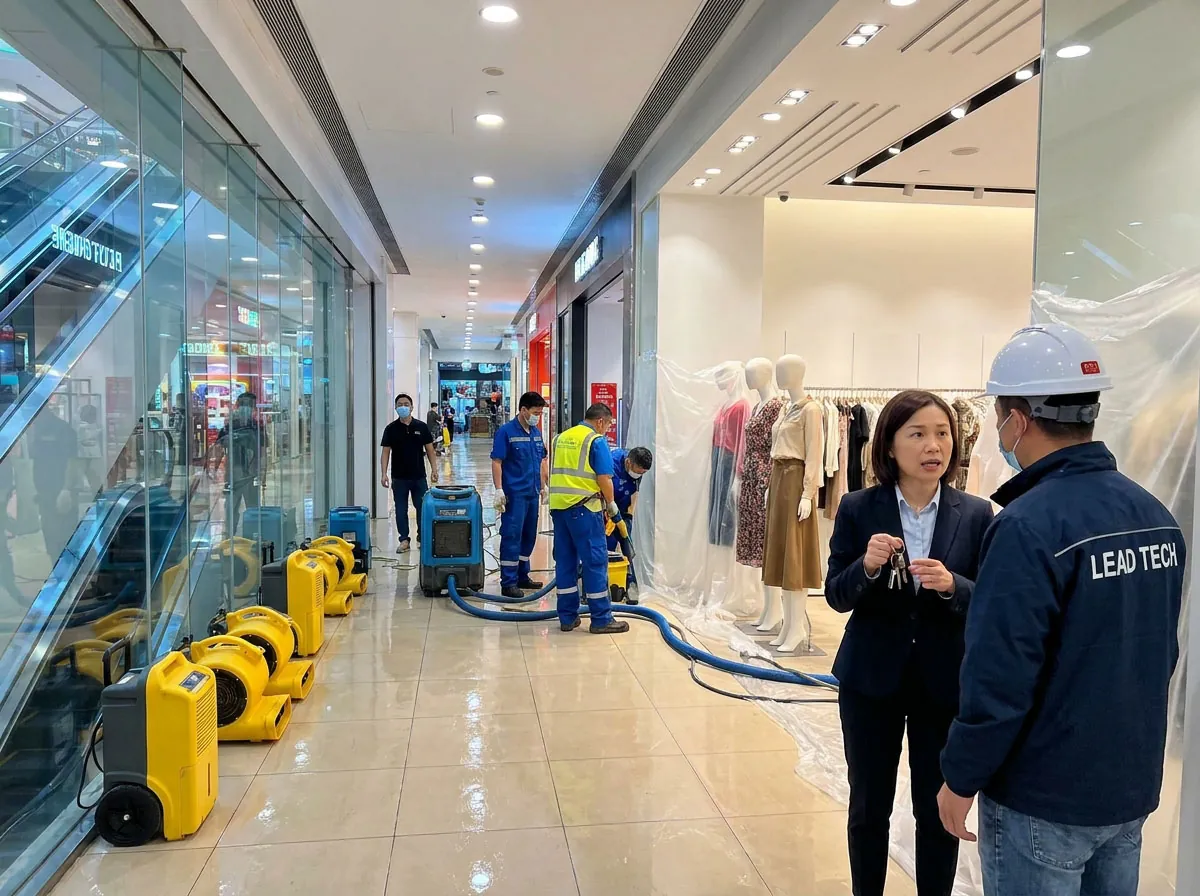
From Charred Ruins to Restored Home: A Winona Fire Recovery Case Study
Last winter, a local family in a historic Winona neighborhood faced a kitchen fire that threatened to claim their entire property. The flames were contained quickly, but the secondary damage was aggressive; soot had already settled deep into their antique hardwood floors and the ventilation system was clogged with toxic particulates.
Our restoration team arrived on the scene within ninety minutes of the call. We immediately implemented a controlled climate strategy to stabilize the moisture levels before the humidity from the fire hoses could warp the structural framing.
- Removed two tons of debris from the kitchen subfloor.
- Executed a specialized HEPA vacuuming protocol on every wall surface.
- Sanitized the HVAC system to prevent smoke re-circulation.
- Applied odor-neutralizing polymers to seal the porous rafters.
The transformation was night and day. By the time our crew finished, the home was not just clean; it was entirely free of the chemical haze that usually plagues fire victims for months. We focused on restoring the original character of their wood trim rather than replacing it, which saved the homeowners thousands in custom finish work while maintaining the architectural integrity of their Winona residence.
Selecting Professional Restoration Services Over DIY Cleanup
You might think grabbing a shop vacuum and some heavy-duty detergent is enough to handle the aftermath. The truth is, DIY fire cleanup is a trap that often costs more in the long run than calling in a professional crew. Smoke particles are microscopic and oily; they don't just sit on surfaces, they penetrate deep into porous materials where household cleaners cannot reach.
When you attempt to scrub soot yourself, you often end up smearing the grime deeper into the drywall or carpet fibers. Professional restorers use specialized equipment that you simply cannot rent at the local hardware store. We use commercial grade ozone generators, air scrubbers, and industrial solvents that neutralize the chemical compounds rather than just masking the smell.
Why Professionals Outperform DIY Efforts
- Deep Decontamination: We use hydroxyl generators to break down toxins at the molecular level, ensuring the air in your Winona home is actually safe to breathe.
- Structural Assessment: Professionals identify compromised floor joists and wall studs that look fine to the naked eye but pose a genuine risk of collapse.
- Insurance Documentation: We provide detailed logs and inventory lists that satisfy insurance adjusters, ensuring your claim covers every cent of your loss.
- Corrosion Control: Without immediate professional chemical neutralizers, acidic soot eats through electronics and metal fixtures within days of the fire.
Do not gamble with the structural integrity of your property or the health of your family. A mistake during the initial cleanup phase can trap toxic residues inside your home for years. Hire a team that understands the specific fire dynamics affecting homes in Minnesota and get it done right the first time.
Final Words
Time is the one resource you cannot buy back after a fire. Every hour you spend waiting or trying to scrub away soot on your own, those toxic particles sink deeper into your subfloors and HVAC system.
You need to decide if you are going to gamble with the future of your property or bring in the professionals. Professional Fire Damage Restoration is not just about cleaning; it is about stopping a chemical chain reaction that is currently eating your home from the inside out.
When you call our team, you are getting more than just a crew with vacuums. You are getting experts who know the unique construction styles of Winona homes and understand exactly where the hidden rot likes to hide.
What happens when you delay
- Acidic soot corrodes metal surfaces, ruining expensive electronics and appliances.
- Toxic smoke residues settle into porous materials, making your home a permanent health risk.
- Structural weaknesses can go unnoticed until a floor joist snaps or a ceiling collapses.
Do not let your home become a statistic. Secure your investment, protect your family, and let us handle the dangerous work so you can focus on getting your life back to normal.
People Also Ask
Is it safe to stay in my Winona home after a small fire?
You should avoid staying in a home after a fire due to the immediate risk of structural instability and airborne toxins. Even small fires release dangerous particulates that compromise your indoor air quality and long term health.How soon after a fire should restoration begin?
Restoration should ideally begin within 24 to 48 hours to prevent secondary damage like mold growth and permanent soot etching. Quick intervention helps preserve salvageable items and prevents acidic smoke damage from spreading through your HVAC system.Does homeowners insurance cover professional fire damage cleanup?
Most standard homeowners insurance policies cover fire restoration costs, but you must document the damage thoroughly before starting any repairs. According to the FEMA guidelines, it is critical to contact your provider immediately to understand your specific policy limitations and claim requirements.Can I clean up fire and soot damage by myself?
DIY cleaning is not recommended because soot is chemically complex and can cause further damage if handled with improper tools. Professional restoration crews use specialized equipment to safely remove hazardous toxins that regular household cleaners simply cannot neutralize.What are the health risks of lingering smoke in a building?
Lingering smoke residues contain carcinogens and volatile organic compounds that can cause respiratory distress or skin irritation. These hidden toxins often settle deep into porous materials and require professional air scrubbing to eliminate safely.Need Water Damage Restoration Services?
One call connects you with a licensed restoration contractor working in Winona County, 24 hours a day. Coverage runs from the Mississippi flats through the bluff communities to the upland farm country: ZIP 55987, 55910, 55952, 55959, 55969, 55972 and 55988.
Water damage compounds by the hour. Mold takes hold in porous material within 24 to 48 hours, so the difference between a drying job and a rebuild is usually how fast someone gets there. The referral is free and carries no obligation.
Request Damage Estimate
Winona County Water Damage Restoration is a 24 hour dispatch service for water, flood, mold, fire and sewage emergencies across Winona County, Minnesota. One call routes your job to a licensed local restoration contractor covering ZIP 55987, 55910, 55952, 55959, 55969, 55972 and 55988.
These guides are written for property owners in this county specifically, drawing on how water actually behaves here: the sandbar ground under Winona, the karst bedrock on the uplands, and the bluff creeks that flooded Stockton and Minnesota City in August 2007. Work is performed by IICRC certified, BBB accredited contractors to the ANSI approved IICRC S500 and S520 standards.