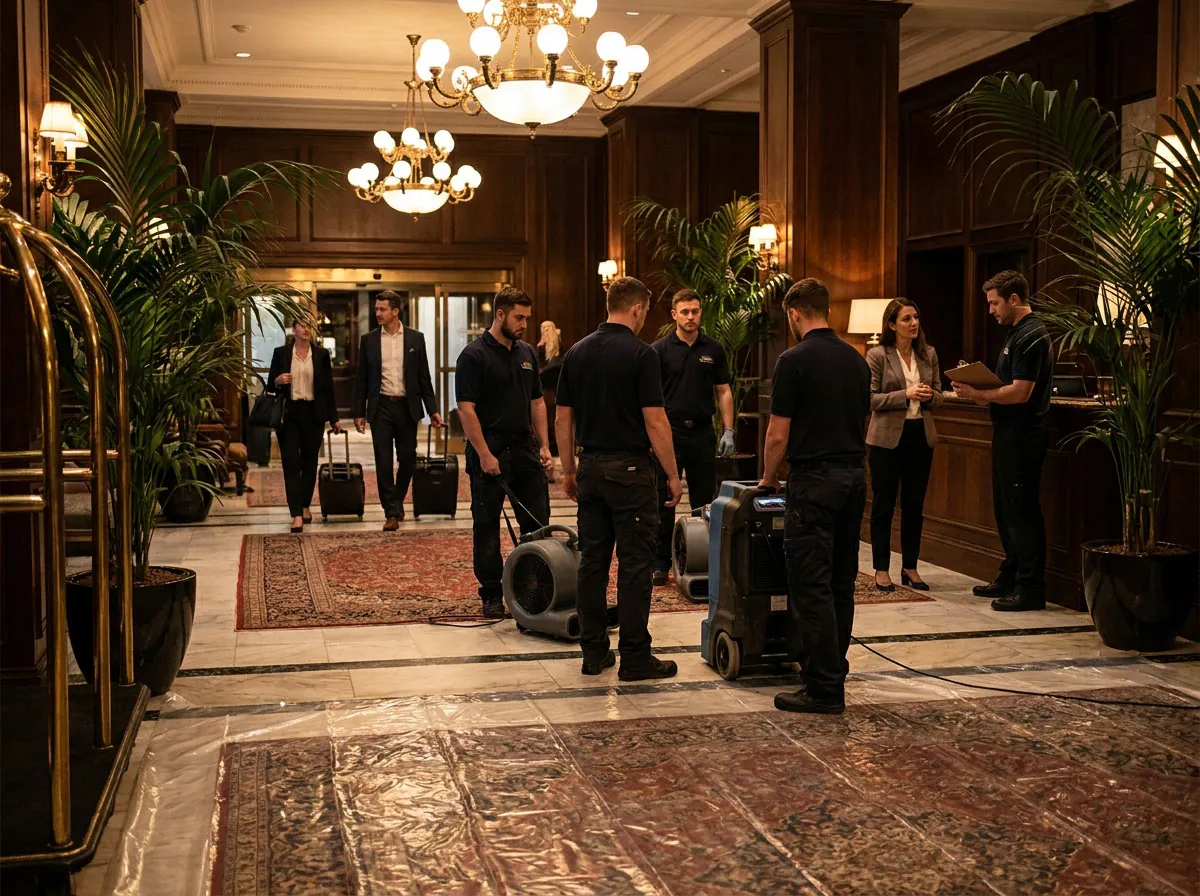


⚡ TL;DR: This guide provides Winona homeowners with practical strategies and professional techniques to effectively address smoke odor removal, helping you restore your living space to a clean, healthy state.
📋 What You’ll Learn
Discover effective strategies for restoring your home after fire damage with our guide on removing persistent smoke odors. Learn the professional techniques necessary to reclaim your indoor air quality safely.
- Understand why odors linger everywhere by exploring the science of soot and how smoke particles deeply penetrate the porous building materials found in many historic Winona county homes.
- Implement immediate mitigation tactics today to prevent cross contamination throughout your property while waiting for professional help to arrive and stabilize your indoor environment after a fire event.
- Master deep cleaning specialized techniques for porous surfaces to ensure that trapped particles are fully extracted rather than simply masked by common store bought sprays or scented candles.
- Compare professional remediation methods clearly by reviewing our table that outlines the most effective industrial tools and technologies used to neutralize smoke molecules in local residential spaces.
- Prioritize long term air quality by following our expert advice on maintaining a healthy environment and protecting your household from the hidden health risks of lingering smoke residue.
📖 Reading time: 8 min
✍️ Author expertise: Certified restoration expert with extensive field experience remediating smoke damage across Winona County.
You wake up in your Winona home, take a deep breath, and instantly regret it. That sharp, acrid ghost of a fire from weeks ago is still clinging to your curtains, your furniture, and even the very air you breathe.
It is a persistent, unwanted houseguest that refuses to pack its bags. No amount of grocery store sprays or open windows can scrub the stench out of your life.
You do not have to live inside a permanent ashtray. Let us break down exactly how to purge those deep-seated molecules and get your home smelling like a home again.
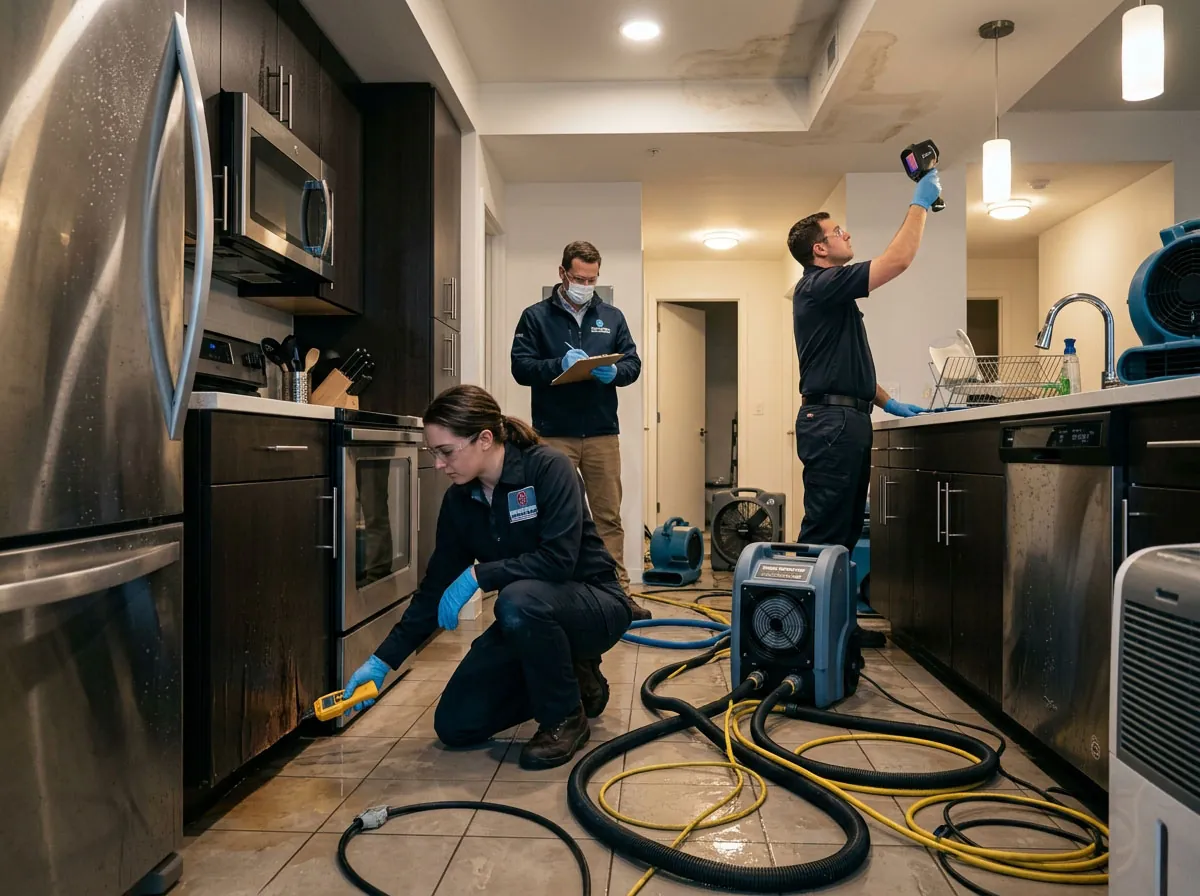
The Science of Soot: Why Smoke Odor Permeate Winona Homes
Most homeowners assume smoke is just a gas that drifts away once the flames die down. In reality, smoke is a complex mix of microscopic particles and chemical compounds that act like a microscopic invasive force.
When fire burns, it creates soot. These tiny, oily carbon particles do not just sit on surfaces; they are designed by nature to penetrate anything porous. In your Winona residence, these particles hunt for hideouts in your drywall, carpet fibers, and upholstery.
Think of your home as a giant sponge. During a fire, the heat forces your walls and flooring to expand, opening up tiny pores that greedily swallow these odorous molecules.
As the air cools, your home material contracts, locking the smell inside like a vault. This is why you can scrub your walls for hours and still smell that sharp, acrid ghost the next day.
How Smoke Particles Invade Your Space
- Molecular Absorption: Soot particles are small enough to settle deep inside fibrous materials where standard cleaners cannot reach.
- Thermal Pushing: The high heat of a fire acts like a pressurized pump, driving toxins into the smallest cracks of your wood trim and baseboards.
- Chemical Bonding: Smoke is acidic and can actually etch into surfaces, making the odor part of the material's chemical makeup rather than just a surface layer.
Because these particles are electrically charged, they often stick to surfaces with a stubborn grip. If you ignore them, they will continue to release gases, keeping that stale, burnt scent trapped in your living room for months.
Immediate Steps to Mitigate Airborne Contaminants
When smoke damage strikes, time is your worst enemy. Soot particles are microscopic and highly acidic; they move quickly through your Winona home, settling into every corner and crevice.
The first rule is simple: stop the circulation. Turn off your HVAC system immediately. If you leave the blower running, you are essentially pumping contaminated air through every room and deep into your ductwork.
Your goal is to stabilize the environment before professional help arrives. Take these quick actions to prevent the damage from spreading:
- Open windows only if the outside air is clean and the weather is dry to allow for airflow.
- Place bowls of activated charcoal or white vinegar in affected rooms to help absorb some surface-level odors.
- Avoid touching surfaces with your bare hands, as the natural oils from your skin can push soot deeper into porous materials.
- Change your furnace filter right away if you suspect debris has reached the intake vents.
Do not attempt to scrub walls or ceilings with household cleaners yet. Many DIY products contain water or harsh chemicals that can react with the soot, creating a permanent, oily stain that is nearly impossible to remove later. Keep surfaces dry until a professional team can assess the specific composition of the smoke residue.
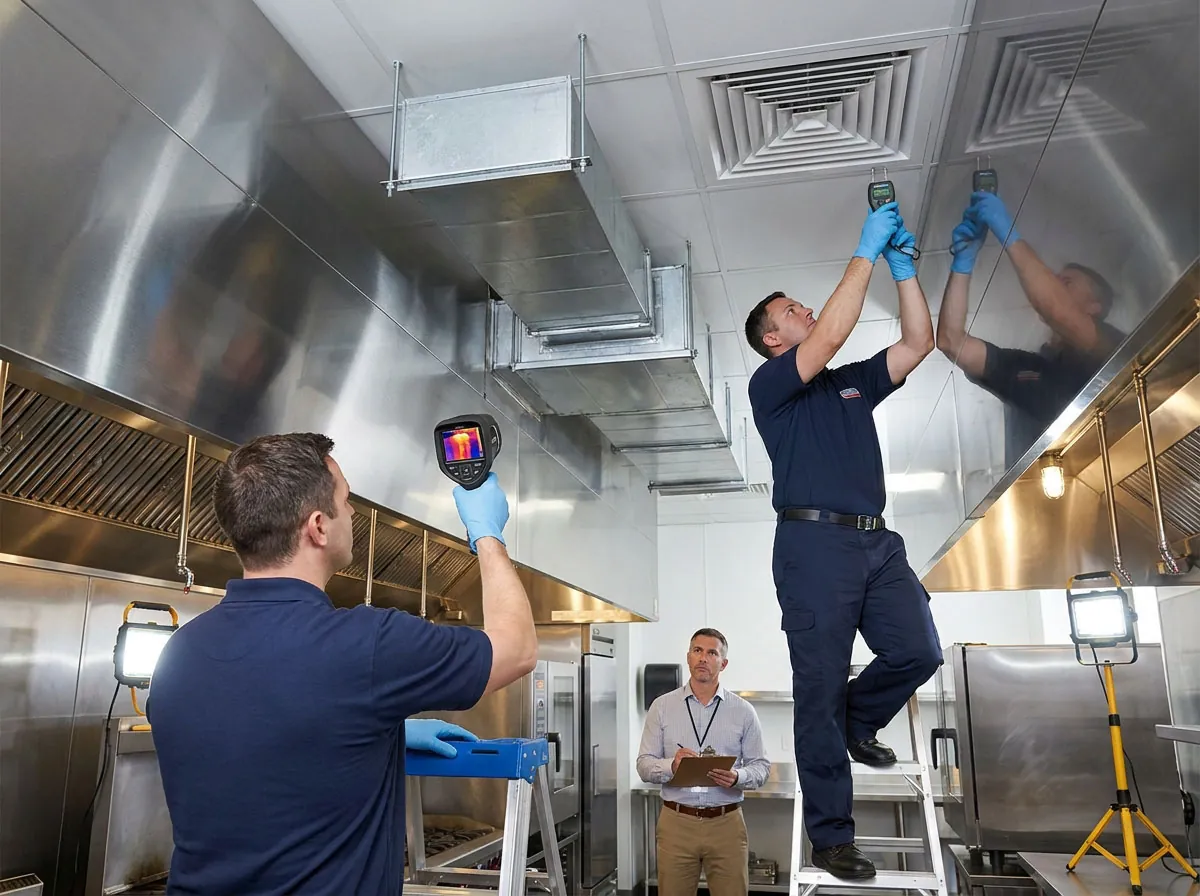
Specialized Techniques for Deep-Cleaning Porous Materials
Most homeowners assume that scrubbing a wall with soap will end the smoke smell. They are wrong. Smoke particles are microscopic, and they dive deep into the tiny pores of wood, drywall, and upholstery.
If you do not pull these particles out of the material itself, the smell will return the moment the humidity rises. You are not just cleaning a surface; you are performing surgical extraction of chemical pollutants.
We use high-tech gear to force those particles out before they become a permanent part of your floorboards or insulation. Here is why standard cleaning supplies fail where professional tools thrive:
- Thermal Fogging: This mimics the smoke itself, allowing a deodorizing agent to penetrate the exact cracks where soot hides.
- HEPA Vacuuming: We use industrial grade filters to capture soot that is too small for your home vacuum to see.
- Ozone Generation: This process changes the chemical structure of the odor molecules, effectively killing the stench rather than just masking it.
Porous materials like carpet padding, curtains, and fibrous furniture act like magnets for smoke. These items often require specialized wet-cleaning or solvent-based treatments to break the molecular bond between the soot and the fabric. If the smoke reached the subfloor or the back of your drywall, standard surface treatments are essentially useless. We have to treat the material from the inside out to ensure the ghost of that fire is gone for good.
Removing Persistent Odors: A Comparison Table of Professional Remediation Methods
Most homeowners in Winona waste hundreds of dollars on air fresheners that merely mask the problem. Smoke particles are microscopic, meaning they lodge deep into your drywall, insulation, and soft goods.
To truly neutralize the stench, you need industrial-grade interventions that go beyond soap and water. Here is how professional methods compare in their effectiveness against stubborn fire residues.
| Method | Best Use Case | Primary Goal |
|---|---|---|
| Thermal Fogging | Large interior spaces | Neutralizes odor via heat |
| Ozone Generators | Unoccupied structures | Oxidizes lingering gas |
| Hydroxyl Scrubbers | Occupied home areas | Safe molecular breakdown |
| HEPA Air Scrubbing | Particle filtration | Removes soot particulates |
| Soda Blasting | Structural wood framing | Physical surface abrasion |
Thermal fogging works by mimicking the way smoke traveled through your home during the fire. We use a specialized machine to create a dry mist that penetrates the same microscopic cracks where the odor hides.
For chemical sensitivity, hydroxyl generators are often the gold standard. They produce hydroxyl radicals that dismantle odor molecules without requiring you to move out of your house.
If the smell remains trapped in wooden studs or crawl spaces, soda blasting acts like a high-powered eraser. It uses pressurized sodium bicarbonate to strip away the charred, porous surface layers where soot collects.
Key Factors for Choosing Your Strategy
- Check for material sensitivity before using chemical agents.
- Ensure the source of the fire residue has been physically cleaned first.
- Avoid using ozone generators if pets or plants are present in the room.
- Always verify that the remediation tech is certified for indoor air quality.
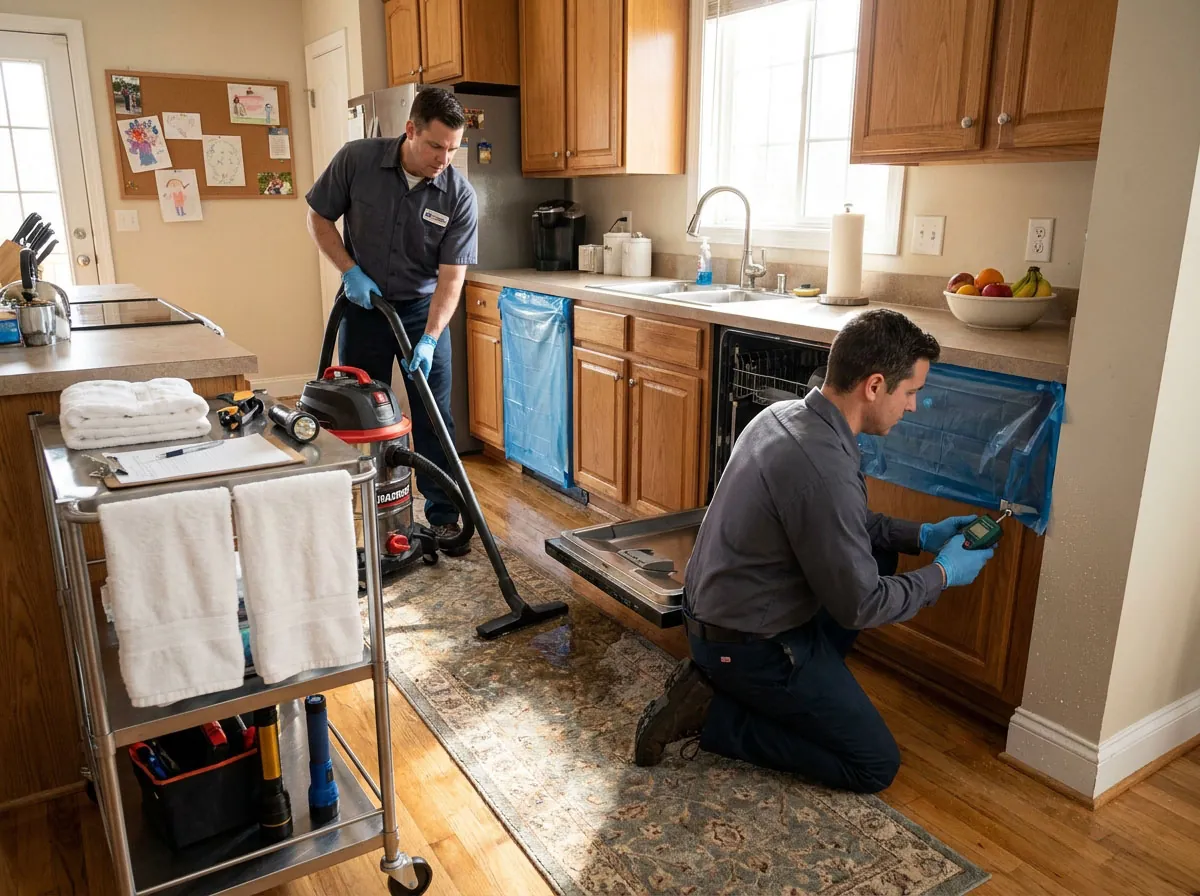
Restoring a Historic Winona Property: A Smoke Damage Case Study
Last year, we took on a challenging project involving a century-old Victorian home in the heart of Winona. These historic properties present a unique nightmare for smoke remediation because they are loaded with original woodwork, lath and plaster walls, and hidden crevices that trap microscopic soot particles.
The owners tried scrubbing the walls with vinegar for weeks, but the smell persisted. We stepped in with a systematic approach tailored for delicate, antique materials that could not withstand harsh commercial solvents.
Our Strategy for Historic Preservation
- We employed dry chemical sponges to lift soot off wallpaper and painted wood without smearing the damage deeper into the surface.
- Our technicians used negative air machines with HEPA filters to scrub the air inside the tight, floor-to-ceiling spaces common in older architecture.
- We injected specialized deodorizers into wall cavities to neutralize odors hidden behind the original plaster.
The result was immediate and striking. By treating the structure as a living vessel for trapped carbon rather than just a dirty surface, we cleared the air within three days.
When you deal with older homes, you cannot use one-size-fits-all cleaning methods. Specific materials demand specific care, or you risk damaging the character of your property while failing to stop the stench.
Protecting Your Indoor Air Quality Following a Fire Event
After a fire, your home acts like a giant sponge, trapping microscopic soot particles inside walls, carpets, and ventilation ducts. These particles are not just bad for your nose; they are actively degrading your indoor air quality by releasing toxic chemicals every time the furnace kicks on or a door slams shut.
You cannot simply mask this issue with scented candles or cheap plug-in air fresheners. Those products just coat the problem with synthetic perfume, leaving the harmful chemicals to settle deeper into your lungs and your home structure.
Essential Steps for Cleaner Air
To truly safeguard your health and get your home breathing again, you need to focus on physical removal rather than temporary coverage. Here are the most effective ways to defend your living space:
- Replace your HVAC filters immediately with high-efficiency pleated filters rated at MERV 13 or higher.
- Invest in a professional-grade air purifier that features a true HEPA filter to capture microscopic soot and smoke residue.
- Have your ductwork professionally cleaned and sanitized to prevent the re-circulation of ash and soot particles.
- Avoid using standard household vacuums on soot-heavy areas, as they often blow fine dust right back into the air through their exhaust.
If you have small children, elderly family members, or anyone with asthma in the house, these air quality measures are not optional. Residual smoke damage can trigger persistent respiratory irritation that mimics a never ending cold. By focusing on filtration and professional source removal, you take back control of your home environment and ensure the air you breathe is actually clean.
Final Words
When you are staring down the barrel of lingering smoke, you have to realize that time is not your friend. Soot particles are microscopic, acidic, and actively eating away at your property every single hour they remain.
Attempting to fix this with a candle or a store-bought spray is like trying to stop a forest fire with a water pistol. You are simply masking the problem while the damage digs deeper into your walls and upholstery.
Professional Smoke Odor Removal is the only way to actually strip those toxins from your environment. Here is why you should skip the DIY route if you care about your health:
- You lack the industrial-grade hydroxyl generators needed to neutralize odor molecules at the molecular level.
- Improper cleaning techniques often smear soot deeper into porous surfaces like drywall and hardwood.
- Cross-contamination is a real risk when you try to clean fire-damaged items without proper containment.
Think about your family's lungs and the long-term value of your Winona property. Lingering smoke residue is not just a smell; it is a chemical trap that refuses to leave on its own.
Do not wait for the scent to fade because, realistically, it never will. Take the direct route, hire the experts, and get your home back to the sanctuary it was before the accident.
People Also Ask
Is it safe to stay in a home with lingering smoke odor?
Staying in a home with lingering smoke odor is generally not recommended due to the presence of harmful particulates. Prolonged exposure to these chemicals can lead to respiratory issues and other negative health effects for occupants.How long does it take to remove smoke smell from a house?
The timeframe for smoke odor removal depends on the extent of the damage and the porousness of the materials affected. Professional remediation typically takes anywhere from a few days to several weeks to ensure all microscopic particles are neutralized.What is the best way to clean soot off walls and furniture?
Professional restoration teams use specialized HEPA vacuums and chemical sponges to lift soot rather than smearing it into surfaces. The federal agency responsible for environmental standards suggests that porous materials often require advanced thermal fogging to fully extract trapped odors.Can I remove smoke odor by just opening windows?
Simply opening windows provides temporary relief by exchanging air, but it does not remove the soot embedded in walls, carpets, and insulation. To permanently eliminate the smell, you must address the source of the odor through professional deep cleaning and air purification.Does homeowners insurance cover smoke damage cleanup in Winona?
Most standard homeowners insurance policies in Winona include coverage for fire and smoke damage remediation. You should contact your insurance provider immediately after an event to document the damage and start the claims process for professional restoration services.Need Water Damage Restoration Services?
One call connects you with a licensed restoration contractor working in Winona County, 24 hours a day. Coverage runs from the Mississippi flats through the bluff communities to the upland farm country: ZIP 55987, 55910, 55952, 55959, 55969, 55972 and 55988.
Water damage compounds by the hour. Mold takes hold in porous material within 24 to 48 hours, so the difference between a drying job and a rebuild is usually how fast someone gets there. The referral is free and carries no obligation.
Request Damage Estimate
Winona County Water Damage Restoration is a 24 hour dispatch service for water, flood, mold, fire and sewage emergencies across Winona County, Minnesota. One call routes your job to a licensed local restoration contractor covering ZIP 55987, 55910, 55952, 55959, 55969, 55972 and 55988.
These guides are written for property owners in this county specifically, drawing on how water actually behaves here: the sandbar ground under Winona, the karst bedrock on the uplands, and the bluff creeks that flooded Stockton and Minnesota City in August 2007. Work is performed by IICRC certified, BBB accredited contractors to the ANSI approved IICRC S500 and S520 standards.